
Places to visit in the Algarve
The places that define the region: the Benagil cave, Ponta da Piedade, the cape where Europe runs out, Moorish castles, century-old market halls and whitewashed villages. Each page ties the place to what surrounds it: experiences, local businesses and what’s on nearby.
Natural landmarks
Benagil Cave
The Algarve's most famous sea cave: a vast dome carved by the ocean out of the golden cliffs east of Carvoeiro, with a round opening in its roof that lets the sun pour onto a hidden beach inside
Viewpoints & headlands
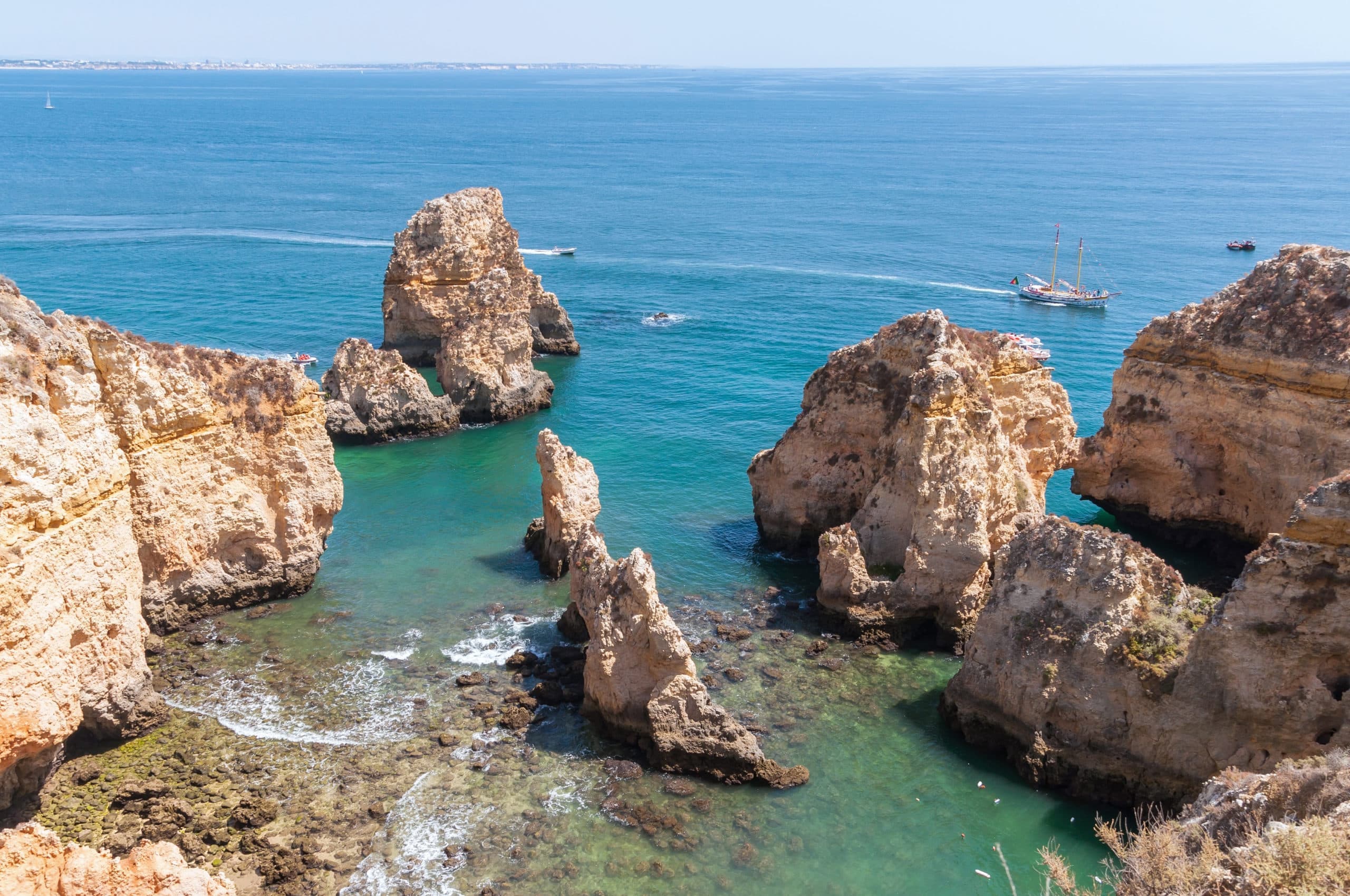
Ponta da Piedade
Lagos's golden headland, where the cliffs break up into sea stacks, arches and grottoes over clear turquoise water
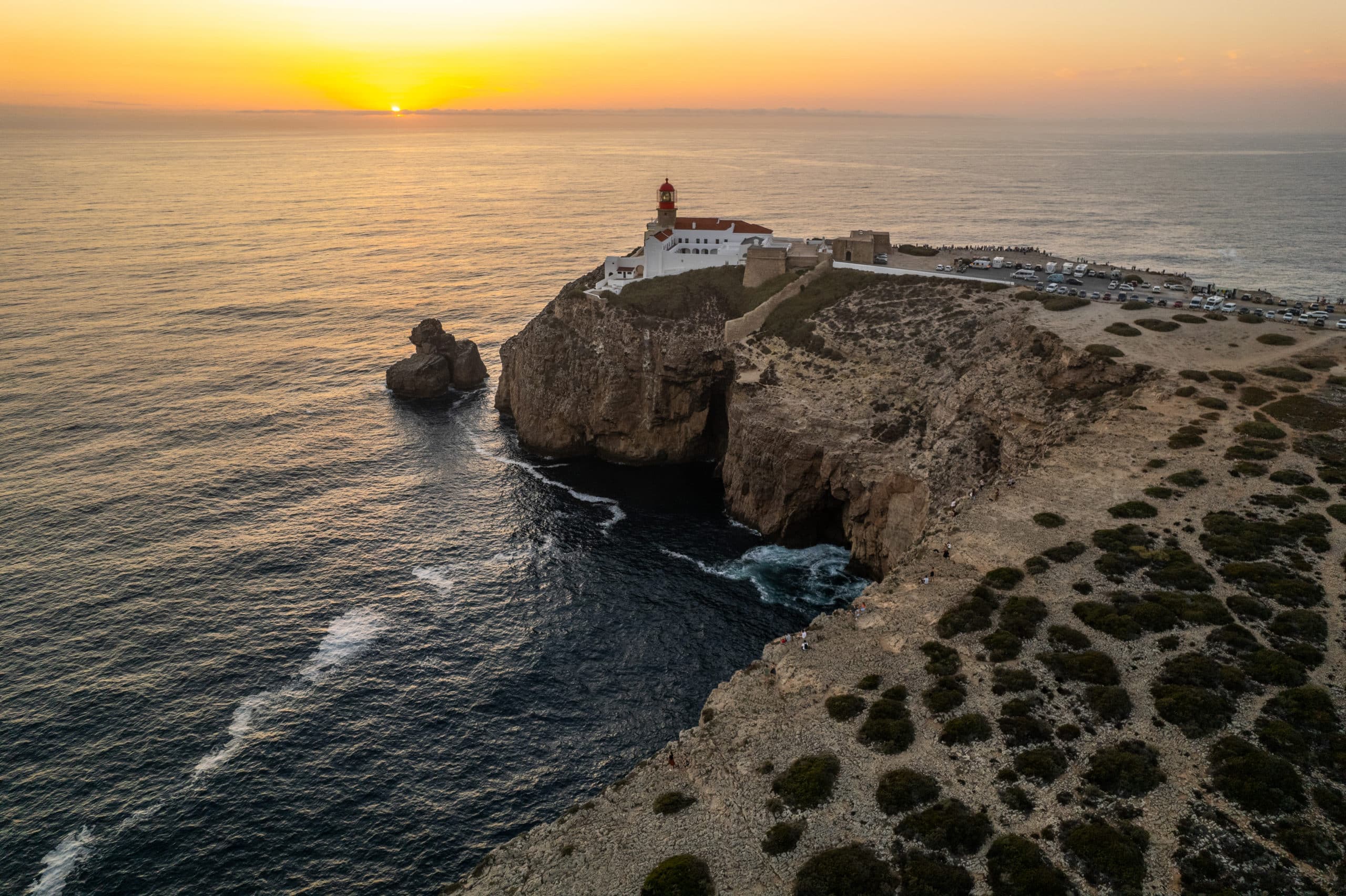
Cabo de São Vicente
The southwesternmost point of mainland Europe: a bare, wind-scoured headland where sheer cliffs drop into the Atlantic and a lighthouse marks what sailors once called the end of the world
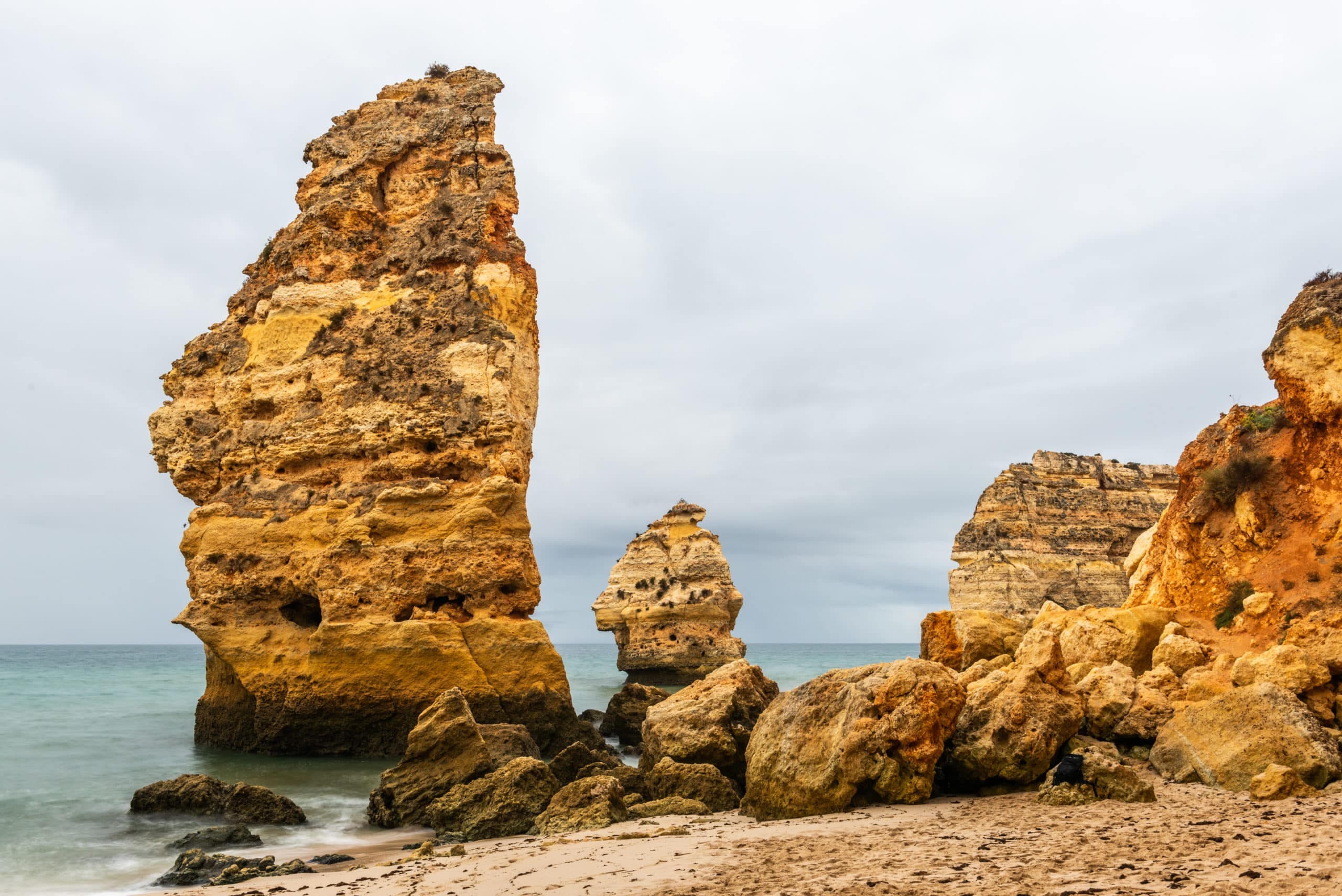
Praia da Marinha viewpoint
The clifftop above Praia da Marinha, one of the most photographed stretches of coast in Portugal
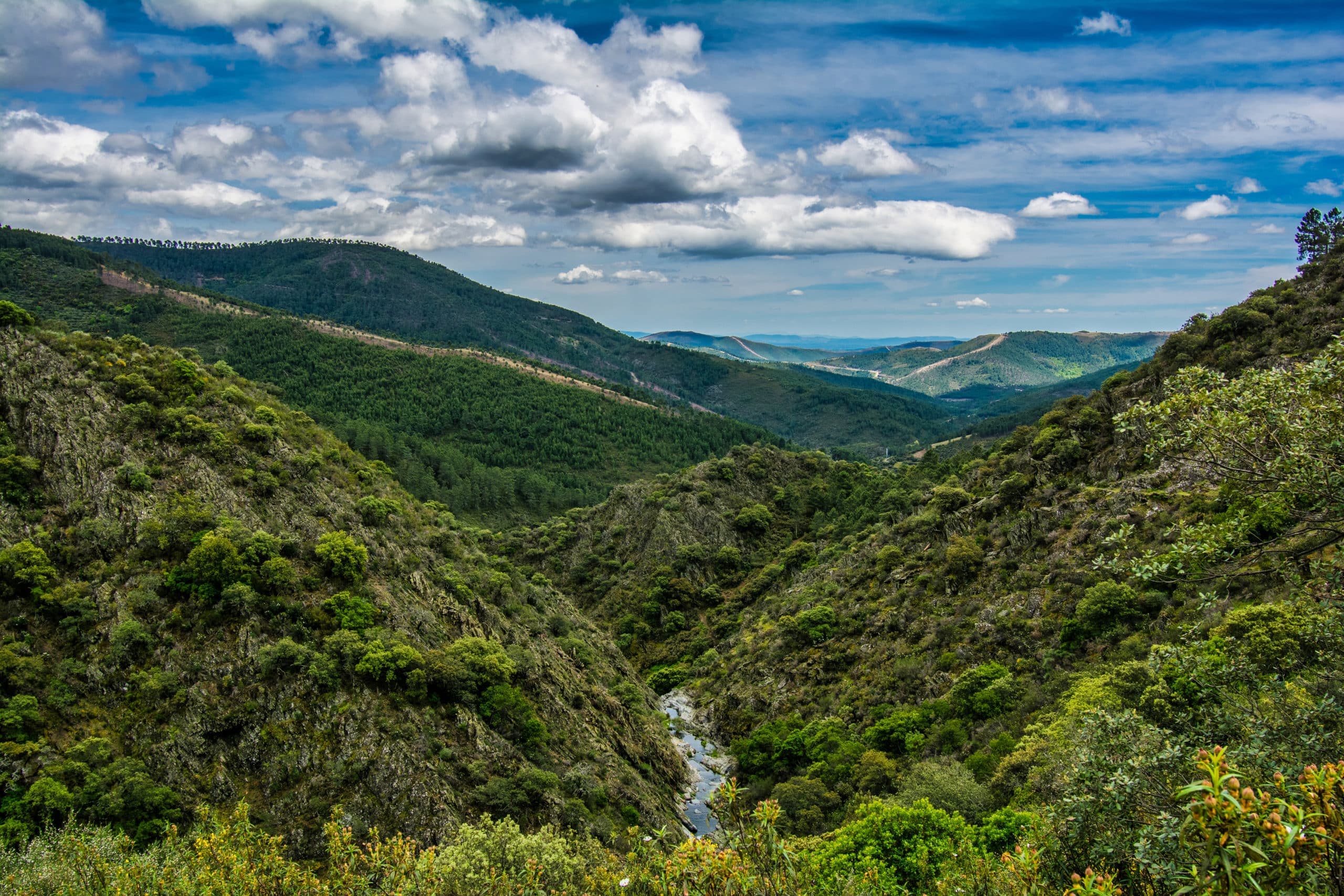
Fóia
The roof of the Algarve: 902 metres up in the Serra de Monchique, above the woods and terraced valleys of the range
Castles & historic sites
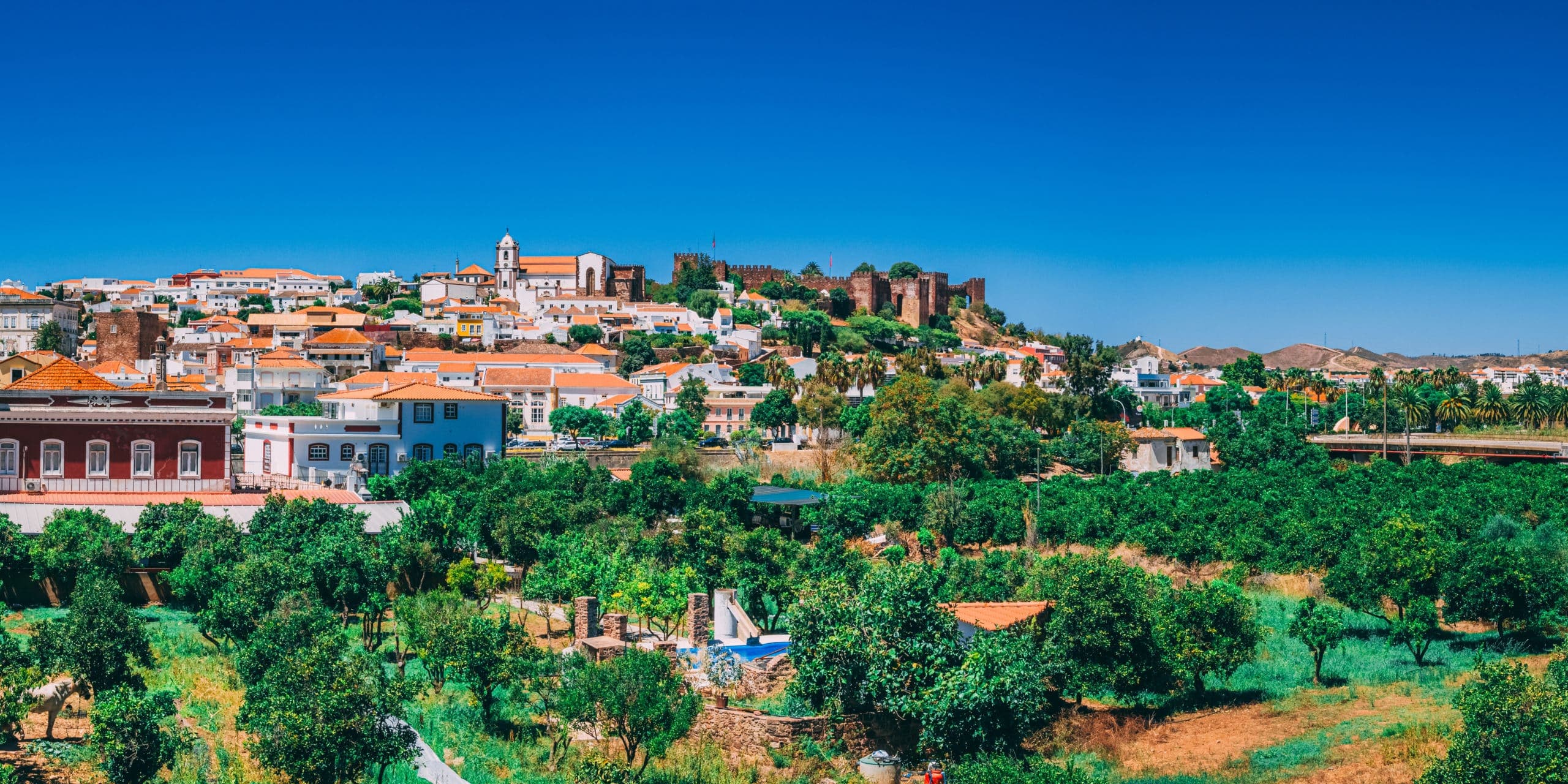
Silves Castle
The best-preserved castle in the Algarve: a ring of red sandstone walls and towers above the rooftops of Silves, the city that was once Xelb, Moorish capital of the region
Sagres Fortress
A fortress wall across the neck of the Sagres promontory, guarding a vast, flat headland that walks out between two ocean horizons
Faro Old Town
Faro's walled quarter, entered through the neoclassical Arco da Vila with storks nesting on top
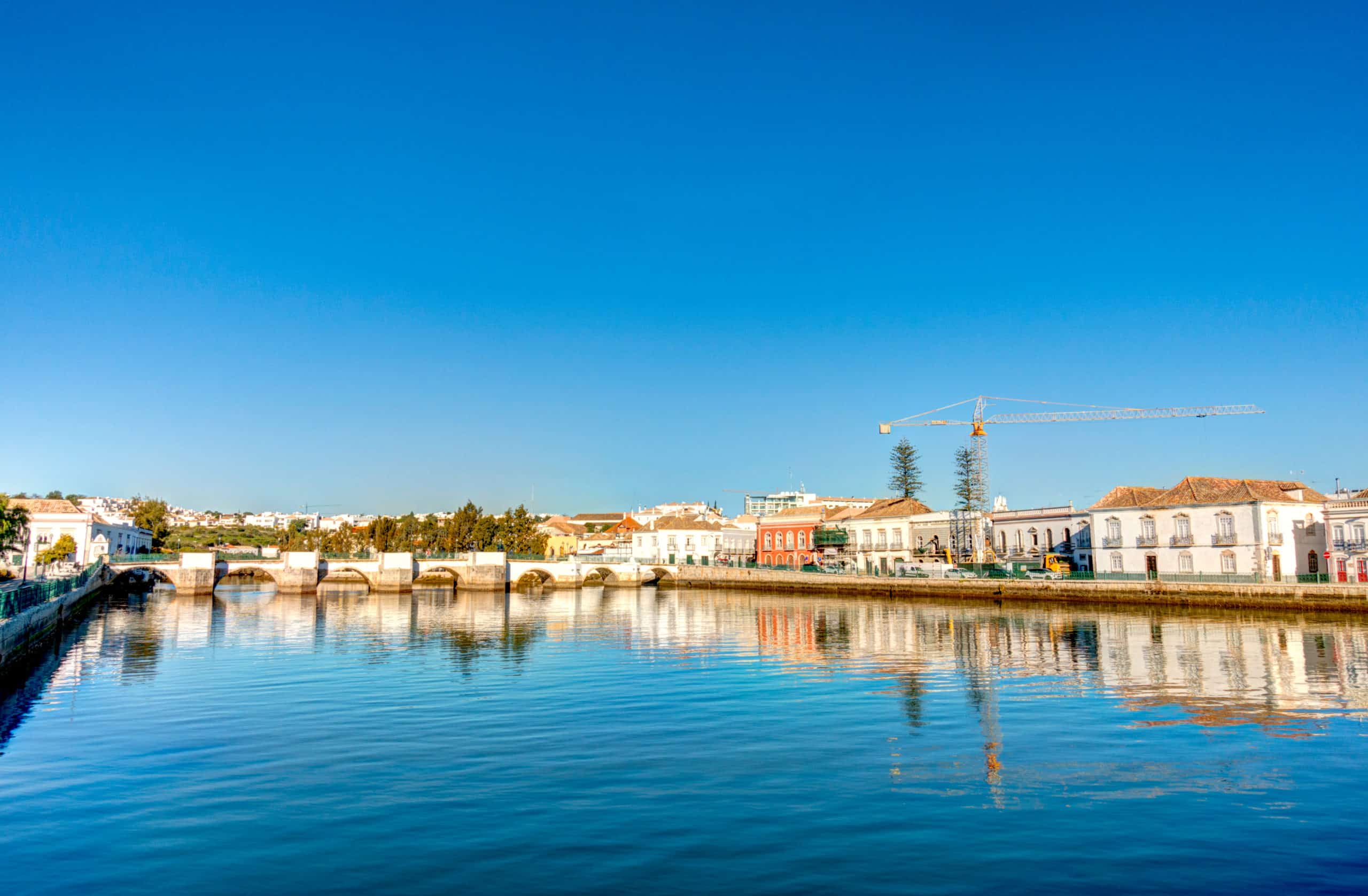
Tavira Old Town & Roman Bridge
Tavira's old town climbs from both banks of the Gilão, stitched together by the low arches of the bridge everyone calls Roman, rebuilt many times over its long life
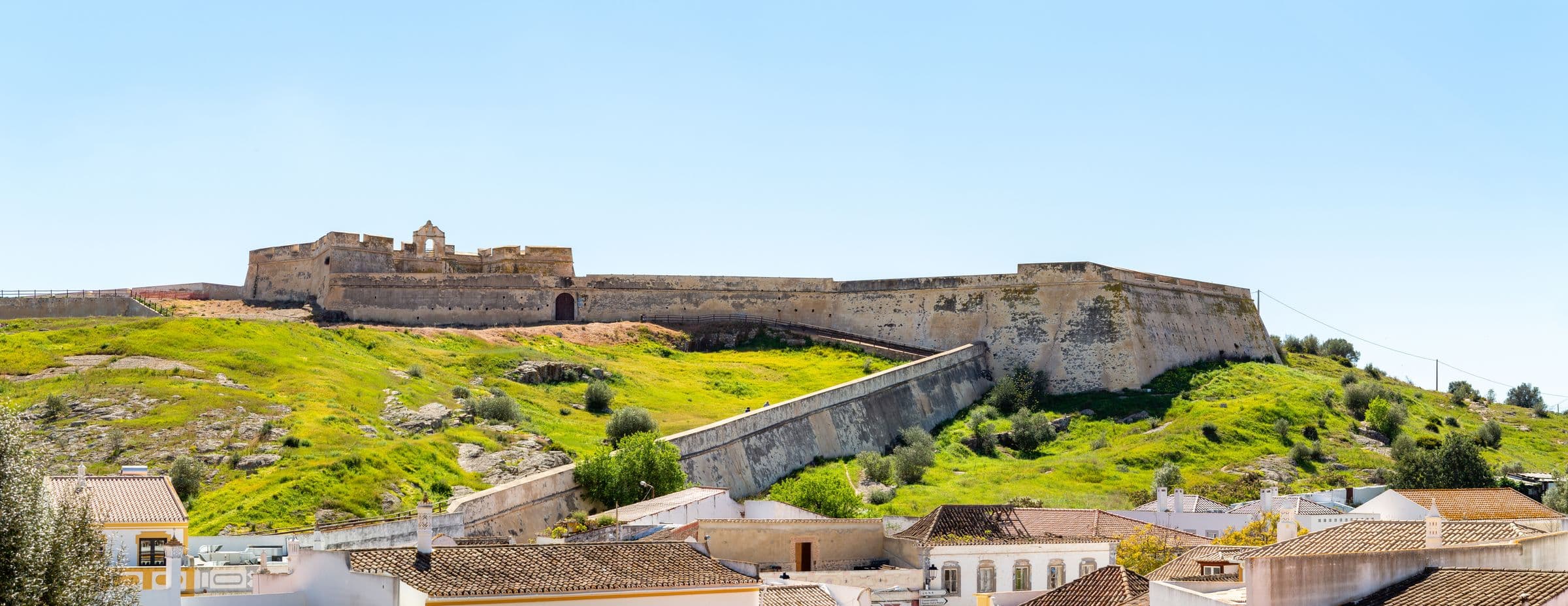
Castro Marim Castle & Fort
Two fortresses face each other across the small town of Castro Marim: the medieval castle, first seat of the Order of Christ after the Templars, and the seventeenth-century Fort of São Sebastião on the opposite hill
Milreu Roman Ruins
The remains of a grand Roman villa on the edge of Estoi, lived in from the first to the fourth century and wealthy enough to have its own bath house and temple
Market halls
Loulé Market
The Algarve's most famous market hall: a revivalist, Moorish-styled building from 1908 whose domed red turrets have become the symbol of Loulé
Olhão Markets
Two matching red-brick market halls from 1916 stand side by side on Olhão's waterfront, one for fish, one for fruit and vegetables
Villages & old quarters
Alte
A whitewashed village folded into the hills of the Loulé interior, often held up as one of the prettiest in the Algarve
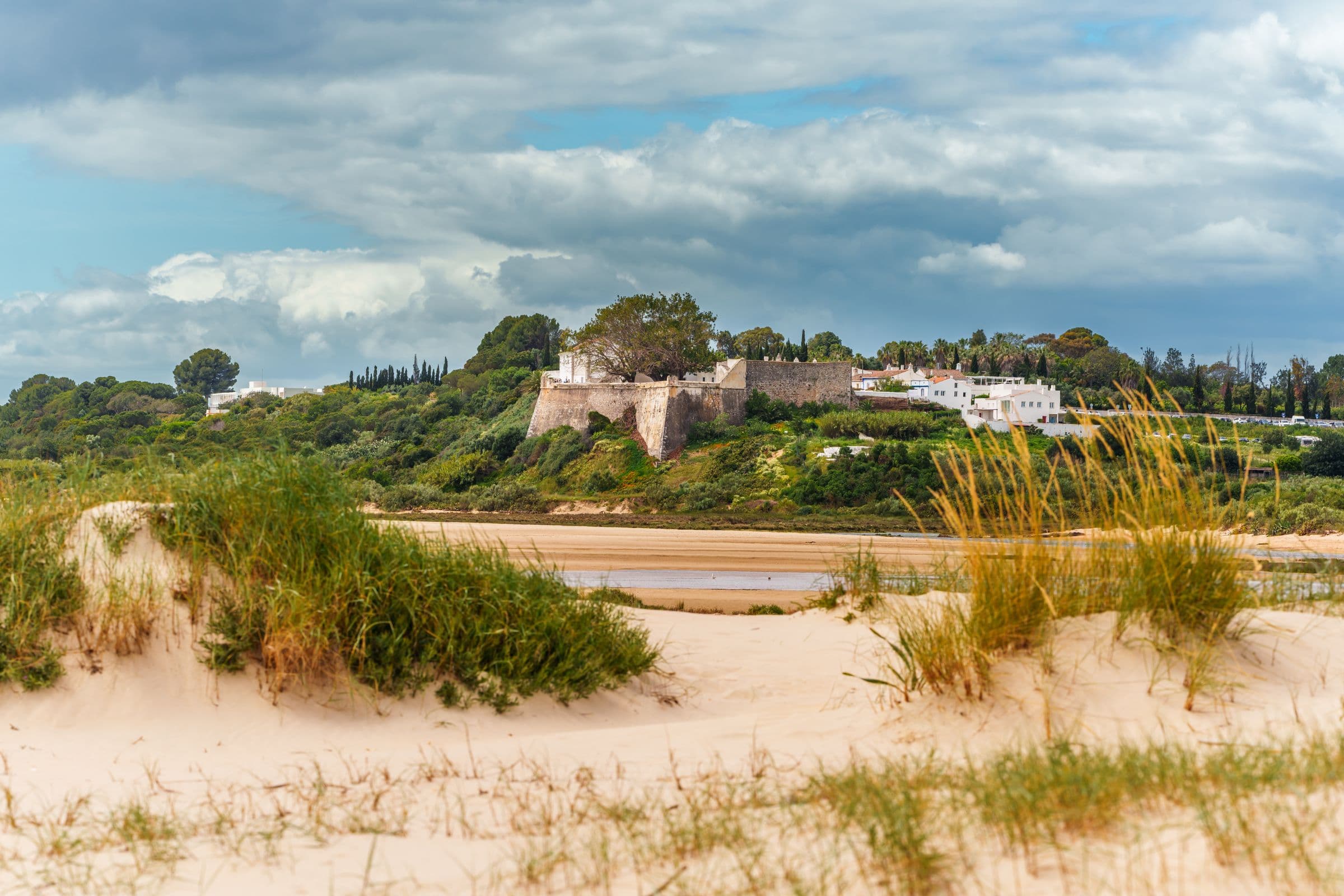
Cacela Velha
A hamlet of a church, a fort and a handful of whitewashed houses on a bluff above the eastern tip of the Ria Formosa
Natural parks
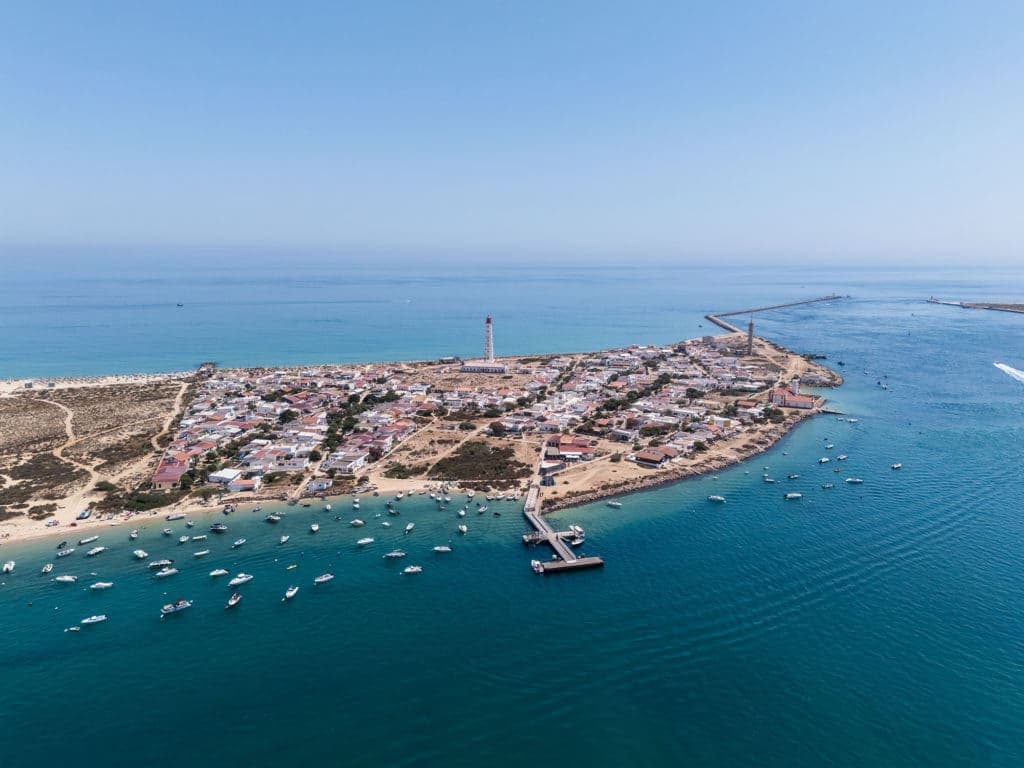
Ria Formosa Natural Park
The great lagoon of the eastern Algarve: some sixty kilometres of barrier islands, tidal flats, salt pans and channels between Faro and the edge of Manta Rota