
Algarve gems
Hidden spots shared by the community, waterfalls, viewpoints, secret beaches and local secrets. Found one? Add it.
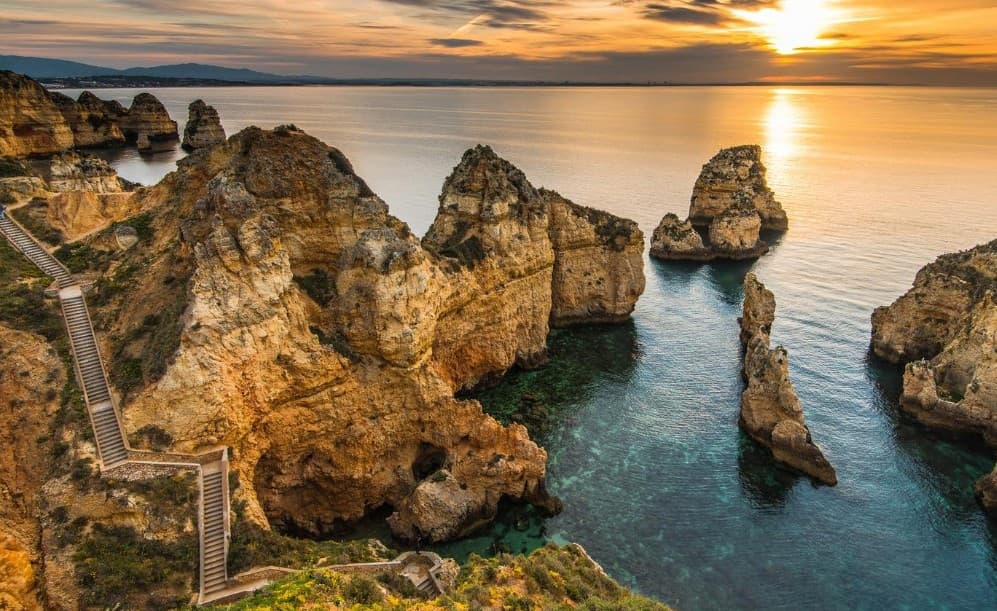
Ponta da Piedade
“Ponta da Piedade is one of my favourite places around Lagos — breathtaking views, beautiful turquoise waters and amazing rock formations. I never get tired of seeing it! 🌊❤️”
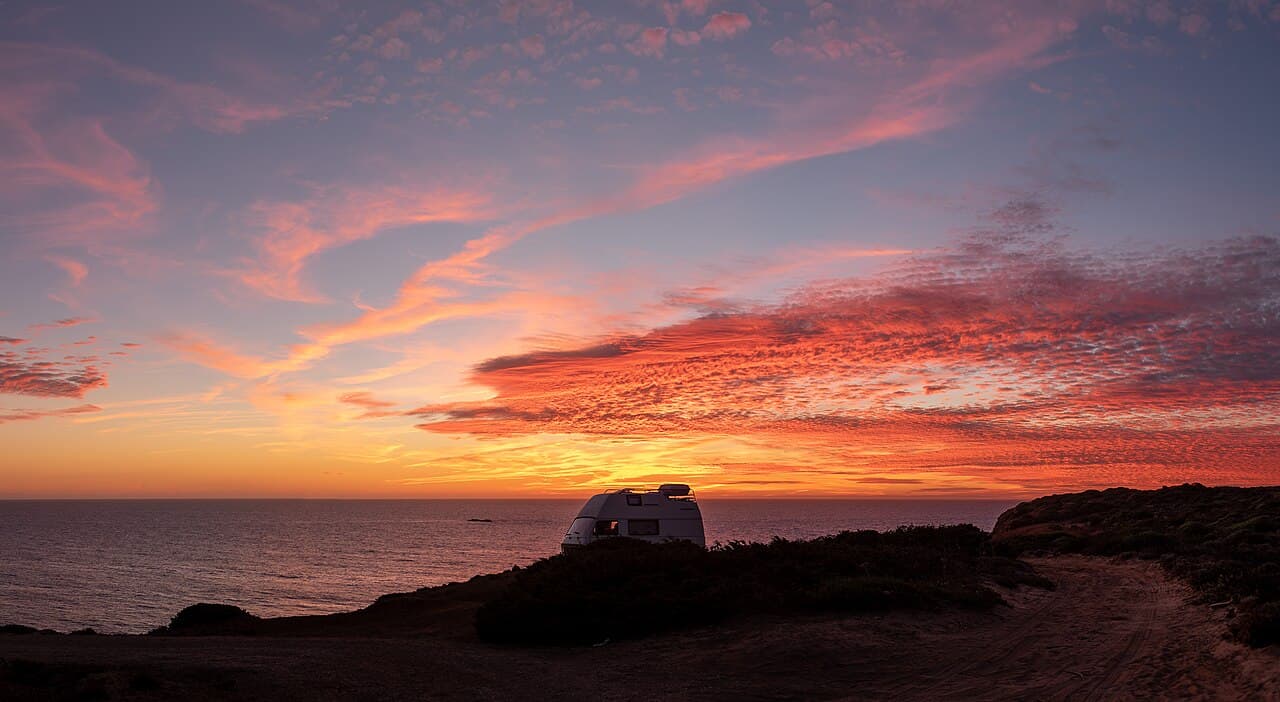
Carrapateira Sunset Headland
The wild headland loop between Bordeira and Amado beaches, the west coast's best short sunset walk or drive. The Pontal da Carrapateira is a tongue of cliff and dune jutting into the Atlantic, circled by a dirt road with wooden viewpoint platforms hanging over black rock and white surf. Fishermen's paths thread the edges, Bordeira's vast sands open to the north and Amado's surf bowls to the south, and at dusk a quiet mix of villagers and campervanners gathers to watch the sun go into the sea. Walk the loop in about an hour or drive it in ten minutes, but walking wins. Start from Carrapateira village and go clockwise so the ocean stays on your right, and keep children back from the platform edges.
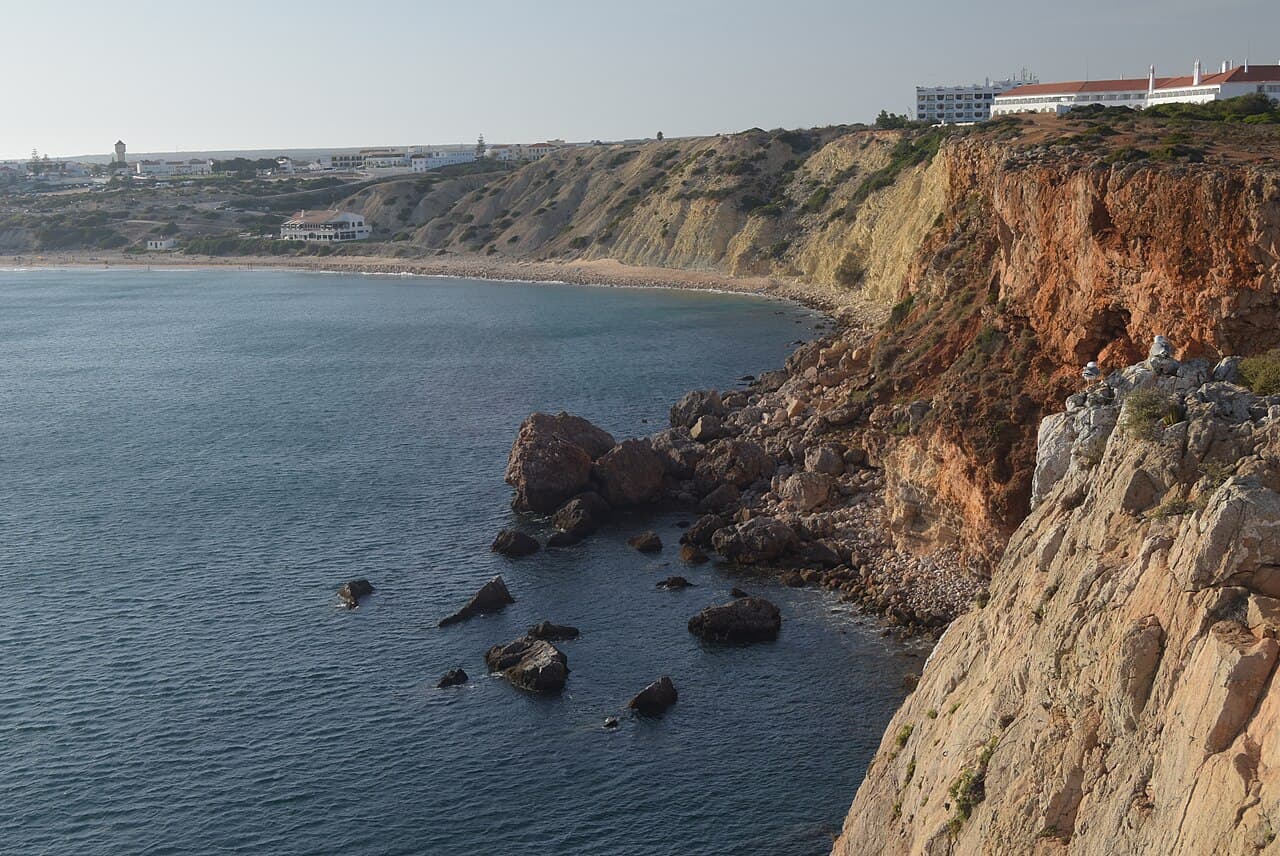
Ponta da Atalaia Fisherman's Cliffs
The clifftop headland on the edge of Sagres town where local anglers cast into the Atlantic and the crowds never quite arrive. Between Praia da Mareta and the fishing harbour, Ponta da Atalaia is where Sagres actually meets the sea: bare limestone shelves, low salt-pruned scrub and men with enormous rods standing improbable watch above the swell. The views run west to the fortress promontory and on towards Cabo de São Vicente, and in October the headland is a front row seat for migrating seabirds. Sunset here is calmer and less staged than at the cape itself. Walk out from the harbour road or from Mareta in about ten minutes; stay well back from the undercut edges, as the wind gusts hard and the cliffs are unfenced.
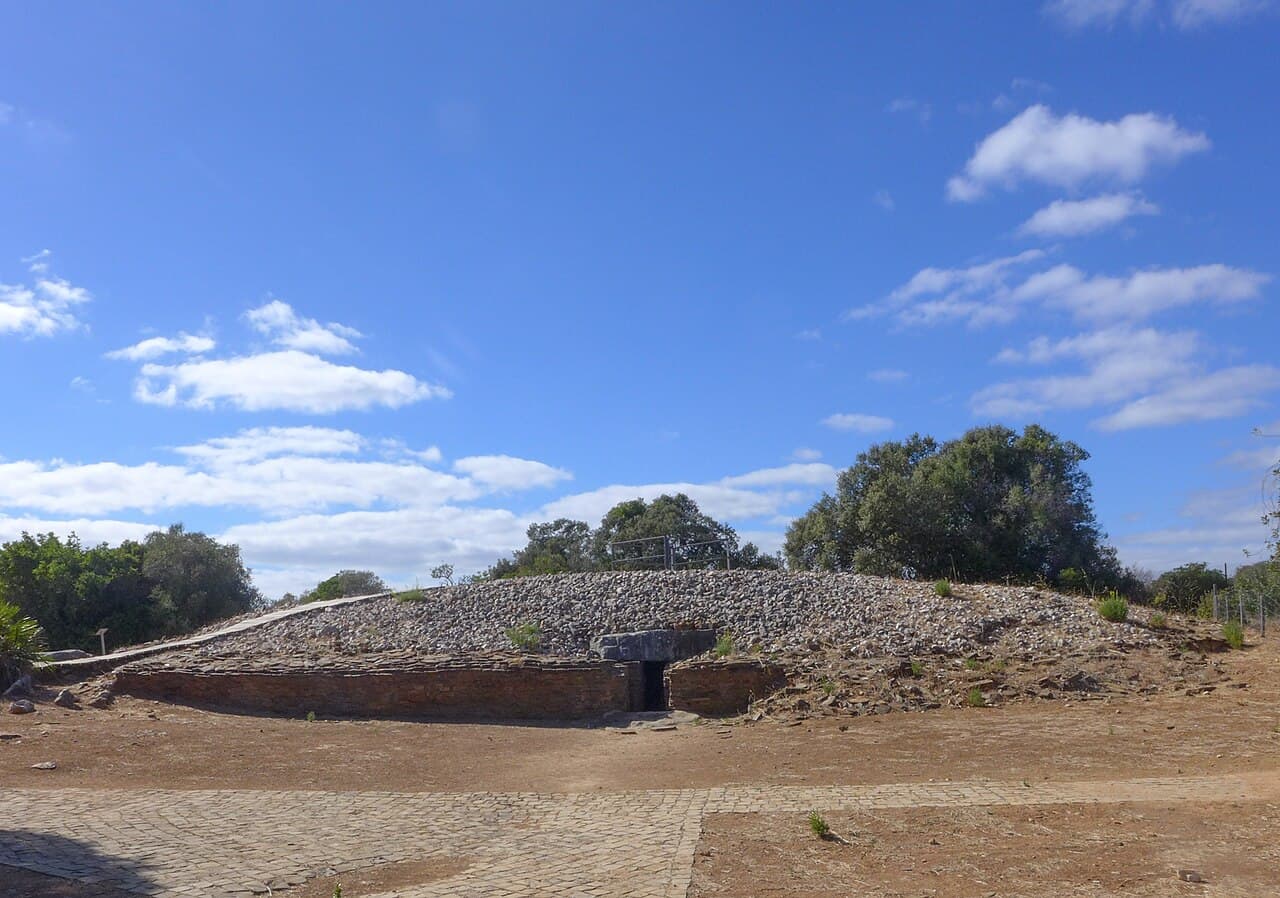
Alcalar Prehistoric Tombs
A necropolis of 5,000 year old monumental tombs in farmland behind Alvor, with a walk-in burial mound at its heart. Alcalar was the ceremonial centre of a Copper Age community that farmed this corner of the Algarve, and restored Monument 7 is the showpiece: a stone mound with a low passage leading to a corbelled chamber, engineering from around 3000 BC that you can peer into from the entrance corridor. Several more tombs lie around it in various states of excavation, and a small interpretation centre sets the scene. Few people come, so you will likely share the site only with larks and the wind. It is signposted from Mexilhoeira Grande off the N125; combine it with lunch in Alvor or Figueira.
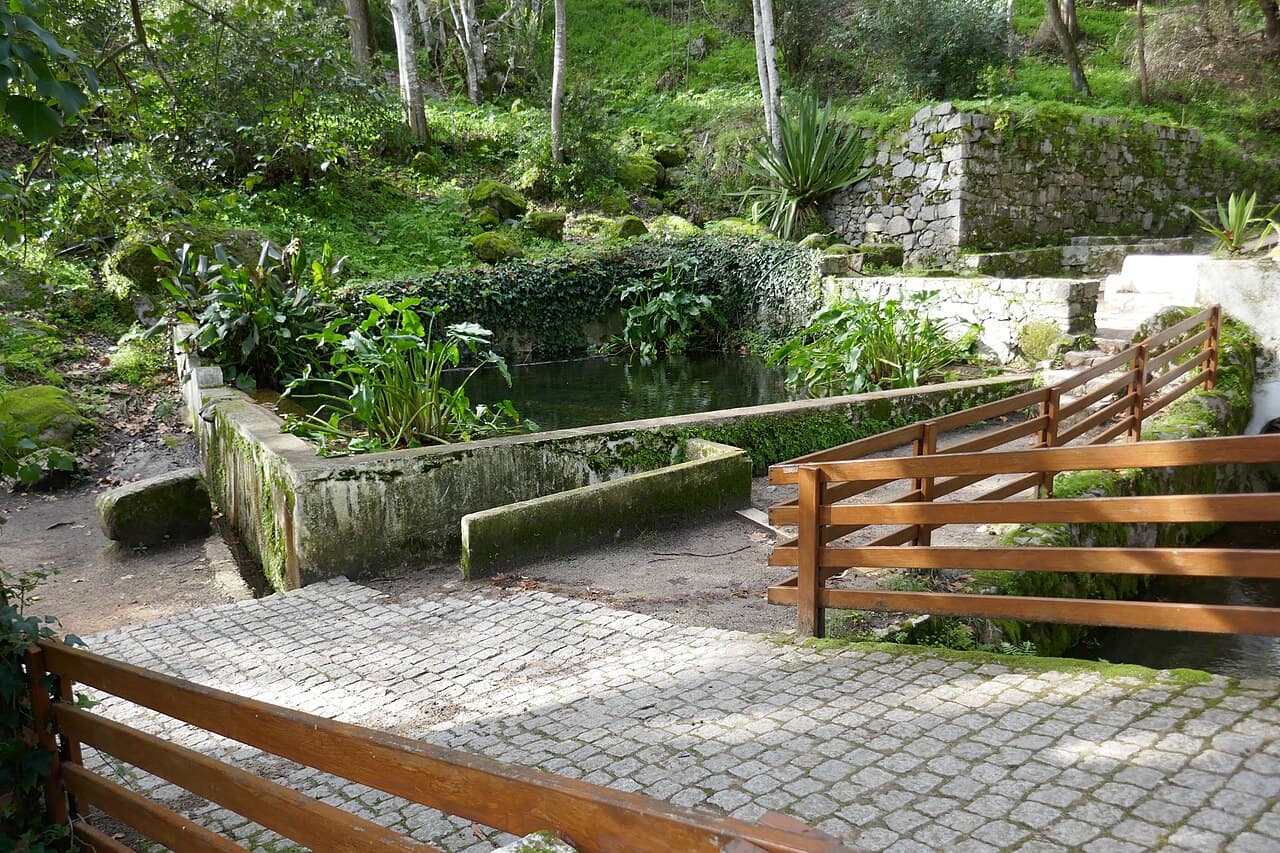
Caldas de Monchique Spa Woods
A tiny spa hamlet in a wooded mountain valley, taking the waters since Roman times and shady in the fiercest August. Caldas de Monchique gathers around a sloping square where the buildings are pastel, the tree canopy is deep and the only sounds are birdsong and running water. People have come for the springs for some two thousand years; King João II arrived in 1495 hoping the waters would cure him. Above the square, the thermal park climbs the stream in a series of pools, bridges and follies, and paths continue up into the eucalyptus and cork woods. It is the Algarve at its most unhurried. Park in the lay-by on the main road and walk down into the hamlet; mornings smell of wood smoke and wet leaves.
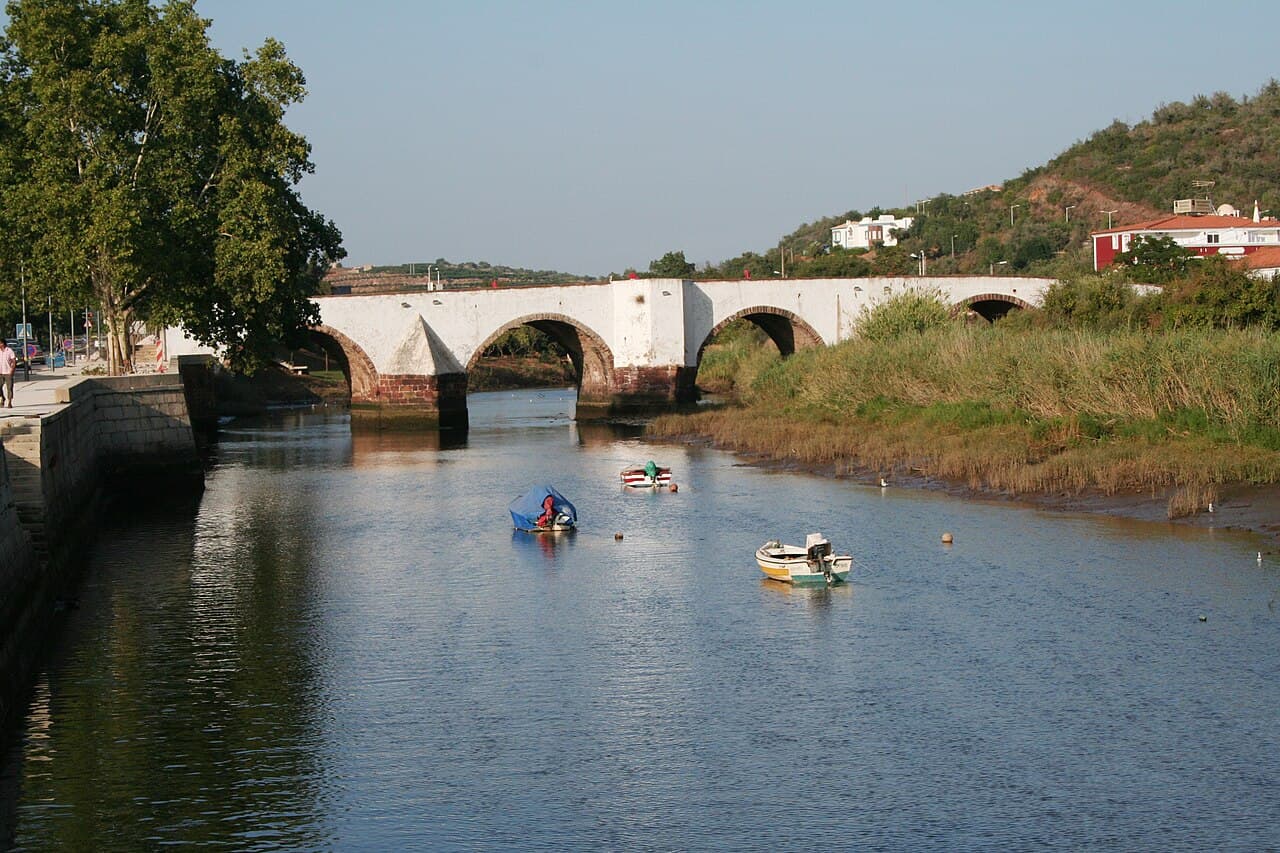
Silves Old Bridge and Riverside
Silves' whitewashed old bridge and the riverside beneath the castle, best at low tide when egrets stalk the Arade mudflats. Everyone climbs to the red castle; far fewer linger on the river. The multi-arched Ponte Velha, medieval on older foundations and long nicknamed the Roman bridge, still carries foot traffic across the Arade, and the banks around it are Silves at its most local: anglers, café tables, market mornings and storks clattering on the chimneys. At low tide the river drops to channels where egrets and waders feed, with the castle and cathedral stacked above the whitewash behind. Cross to the south bank in late afternoon for the view back over town, then take a table near the municipal market as the light turns orange.
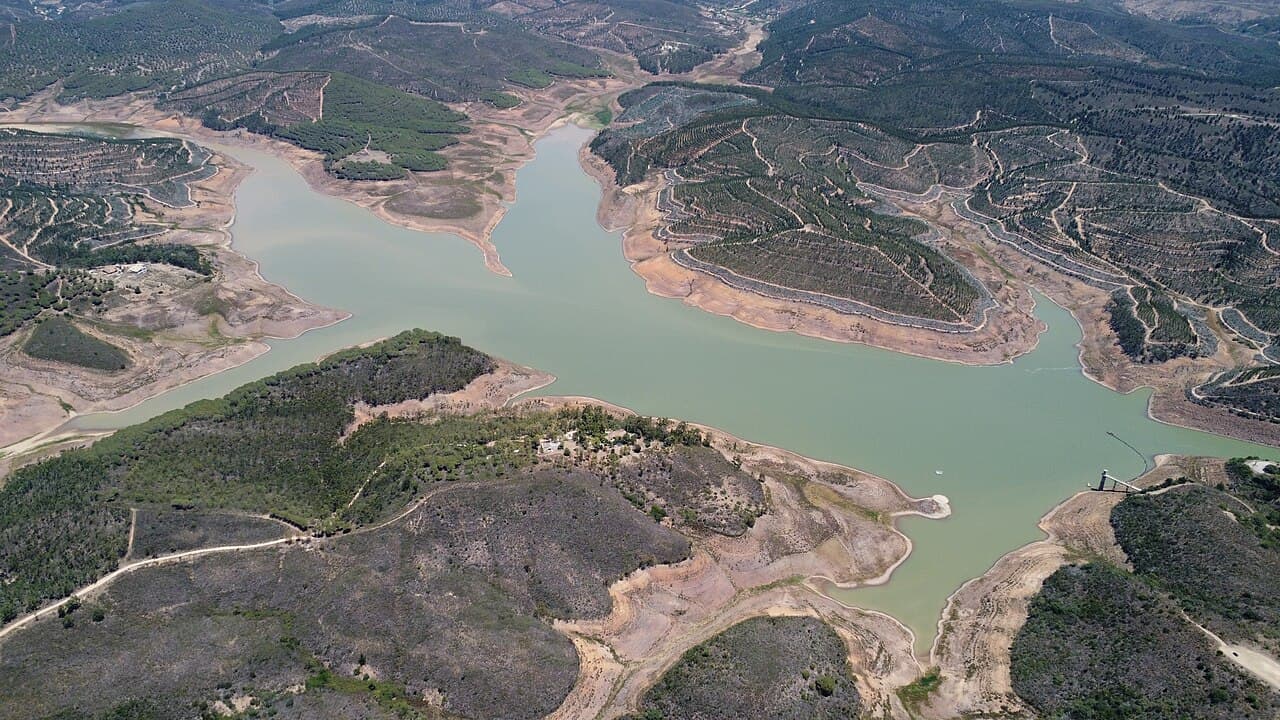
Bravura Reservoir Viewpoint
A blue green reservoir folded into the hills north of Lagos, with dam-top views, quiet trails and not a beach bar in sight. Twenty minutes from the coast, the Bravura dam holds a lake that winds between eucalyptus and cork slopes, and almost nobody makes the detour. Cross the dam wall for the classic view down the valley, then pick up the dirt tracks along the shore for an hour of walking with only goat bells for company. Water levels swing with the rains, so the shoreline can look dramatic in dry years. There is no café and no lifeguard, which is precisely why it stays calm. Drive up via Odiáxere, take a picnic, and save the viewpoint by the dam gates for golden hour.
Share it. Put it on the map.
Share it with the community.
Add a Gem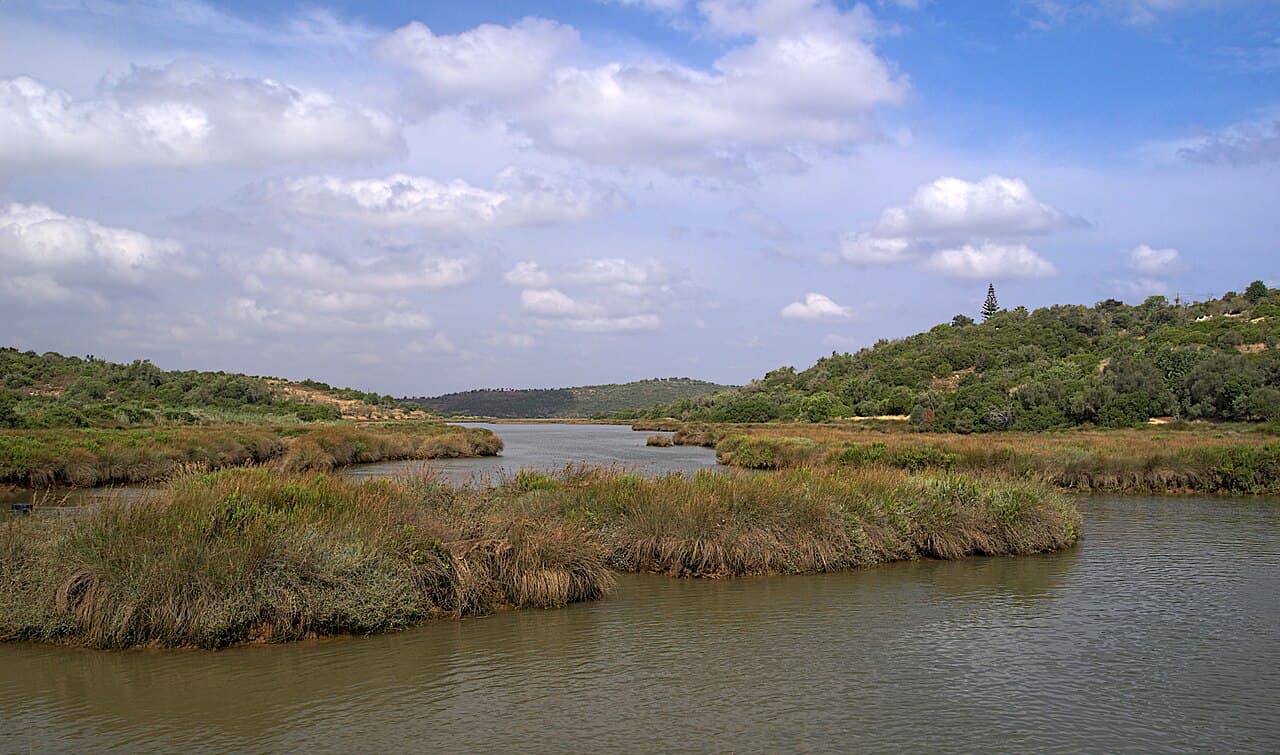
Sítio das Fontes Springs Park
A quiet municipal park at Estômbar where freshwater springs meet the tidal Arade, with a tide mill, boardwalks and a stone amphitheatre. Sítio das Fontes is where Lagoa locals go for Sunday picnics while visitors queue for boat trips a few kilometres downstream. Springs bubble into a pool beside the restored tide mill, boardwalk paths loop through marsh and woodland, and egrets and waders work the estuary flats. A small amphitheatre built into the hillside hosts occasional concerts. It is an easy, level wander rather than a hike, which makes it a good outing with children or grandparents in tow. Follow the signs from Estômbar village; late afternoon brings the best light over the marsh, and picnic tables sit under the trees.
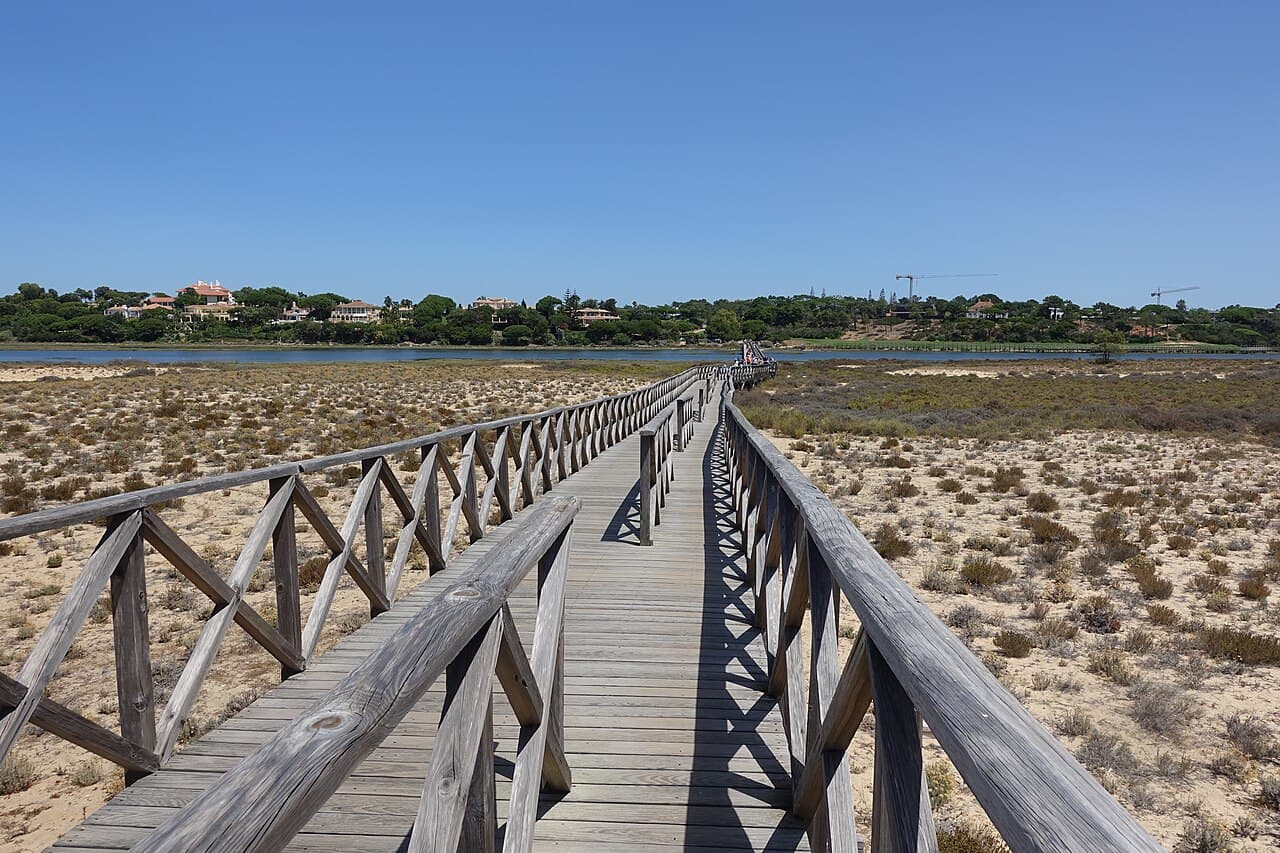
Quinta do Lago Wooden Bridge at Dawn
The long wooden footbridge across the Ria Formosa at Quinta do Lago, at its best in the hour after sunrise. By mid morning this boardwalk is a procession of beach bags, but at dawn it belongs to herons, joggers and whoever bothered to set an alarm. The bridge crosses lake, marsh and dune on its way to Praia da Quinta do Lago, and the low light across the wetland is the closest the Golden Triangle gets to wilderness. Anglers work the channel below, and the São Lourenço nature trail begins by the lake if you want to extend the walk. Park at the Praia da Quinta do Lago car park at the end of the avenue; arriving before eight in summer also means beating the parking queue.
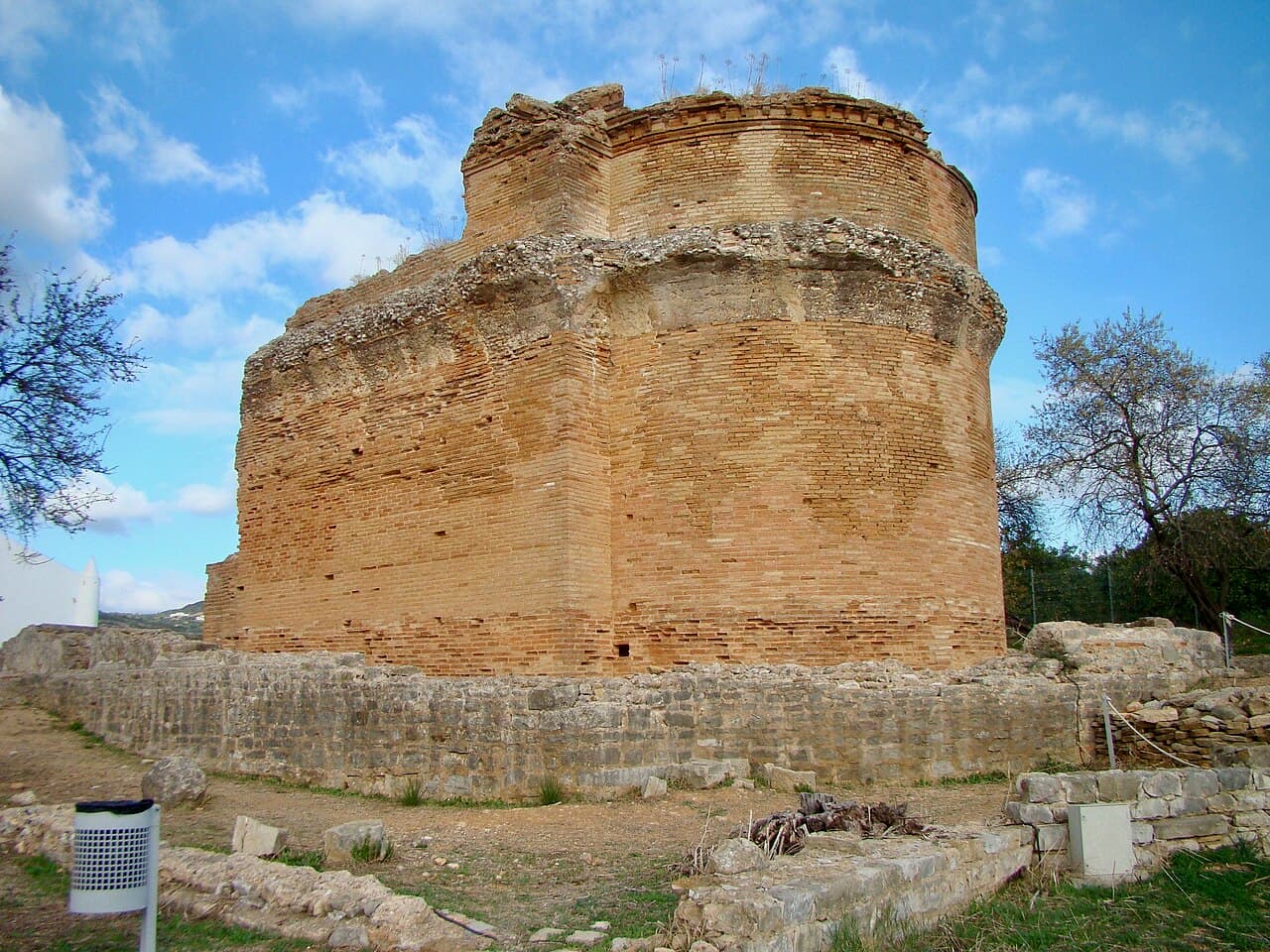
Milreu Roman Villa
The ruins of a grand Roman villa at Estói, complete with fish mosaics and a temple that later became a church. Milreu was a luxury estate from the first to the fourth century, and what survives is remarkably legible: bathhouse walls with dolphin and fish mosaics, olive presses, and the tall podium temple that early Christians later converted, one of the few of its kind in Portugal. Interpretive panels are decent and the site rarely draws more than a handful of visitors at a time, so you can take it slowly under the trees while the rural setting drives home how comfortable Roman country life was. Pair it with the palace gardens up the road in Estói; the walk between the two takes about ten minutes.
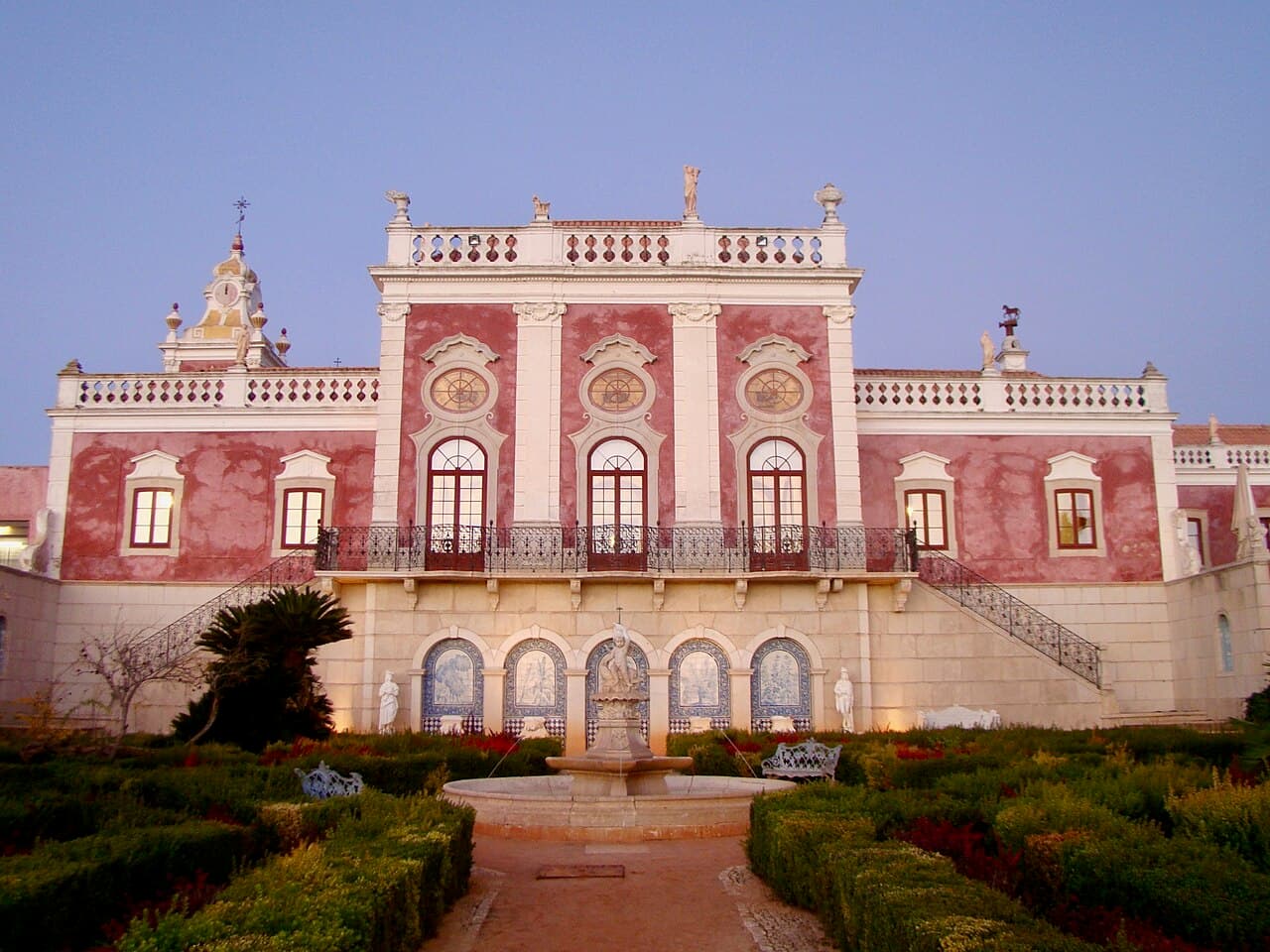
Estói Palace Gardens
A pink Rococo revival palace above Faro whose terraced gardens, azulejos and orange trees feel made for slow afternoons. The Palácio de Estói was a nineteenth century nobleman's fantasy and is now a pousada, but the gardens remain open to visitors and are the real prize: balustraded terraces, blue and white azulejo panels, statues, palms and a fountain stair that catches the light at dusk. It sits just off Estói's village square, so you can pair it with coffee at a local café or with the Roman ruins at Milreu, ten minutes away on foot. Weekday mornings outside holiday season are near silent. Enter through the garden gate rather than the hotel reception and take the terraces from the bottom up for the best reveal.
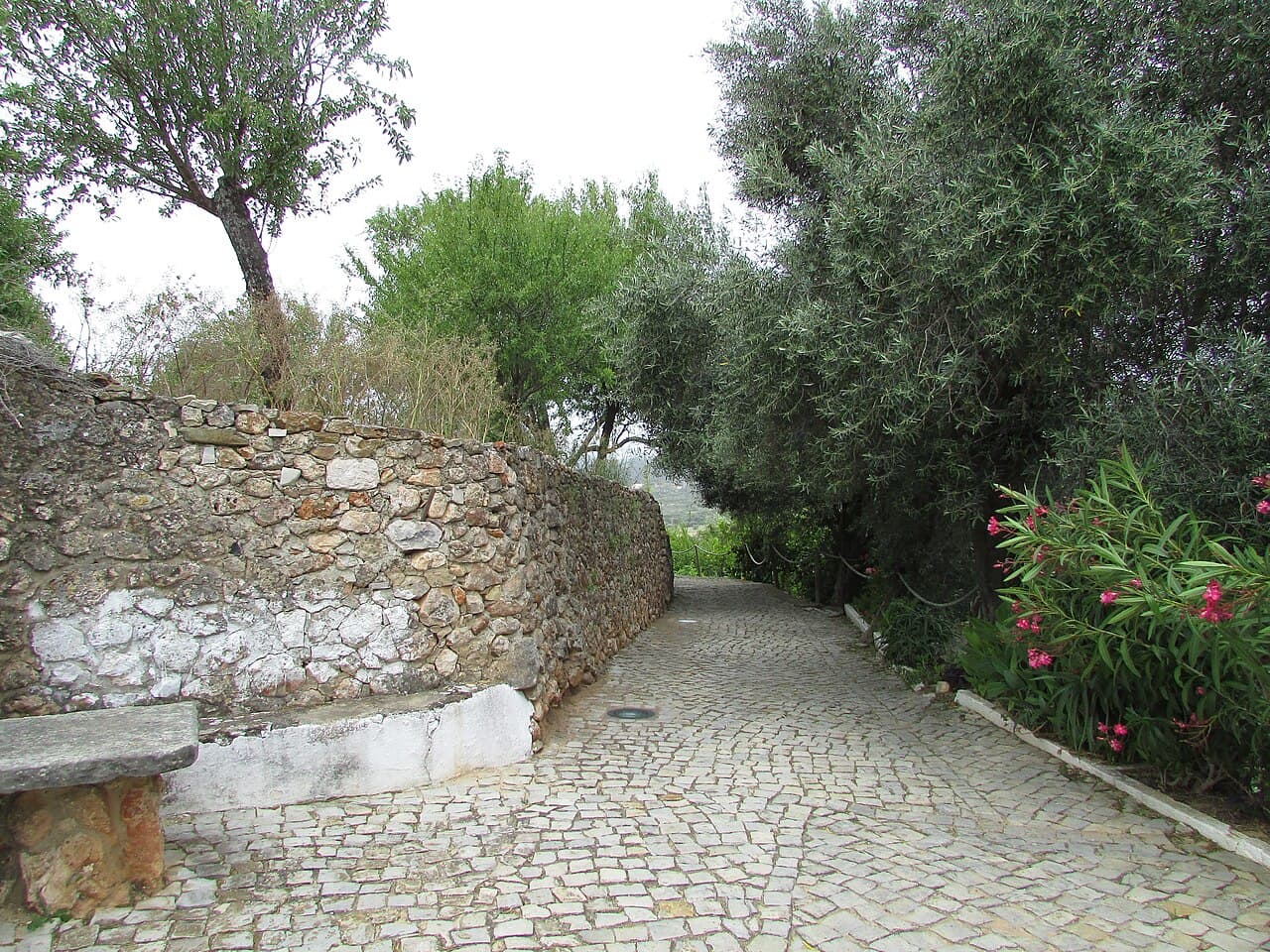
Salir Castle Ruins
The rammed earth remains of a 12th century Almohad castle, with village houses built right into its walls. Salir's castle never got the picture book restoration, and that is its charm. Chunks of taipa, the rammed earth the Almohads built with, stand between cottages and vegetable gardens at the top of the village, and you wander through what was once the fortified enclosure on ordinary lanes. A small interpretation centre explains the Islamic settlement that stood here, and the terrace at the top looks across the Barrocal towards the Rocha da Pena. Come in late afternoon when the low sun warms the earth walls, combine it with the Rocha trail or lunch in the village, and expect to have the place largely to yourself.
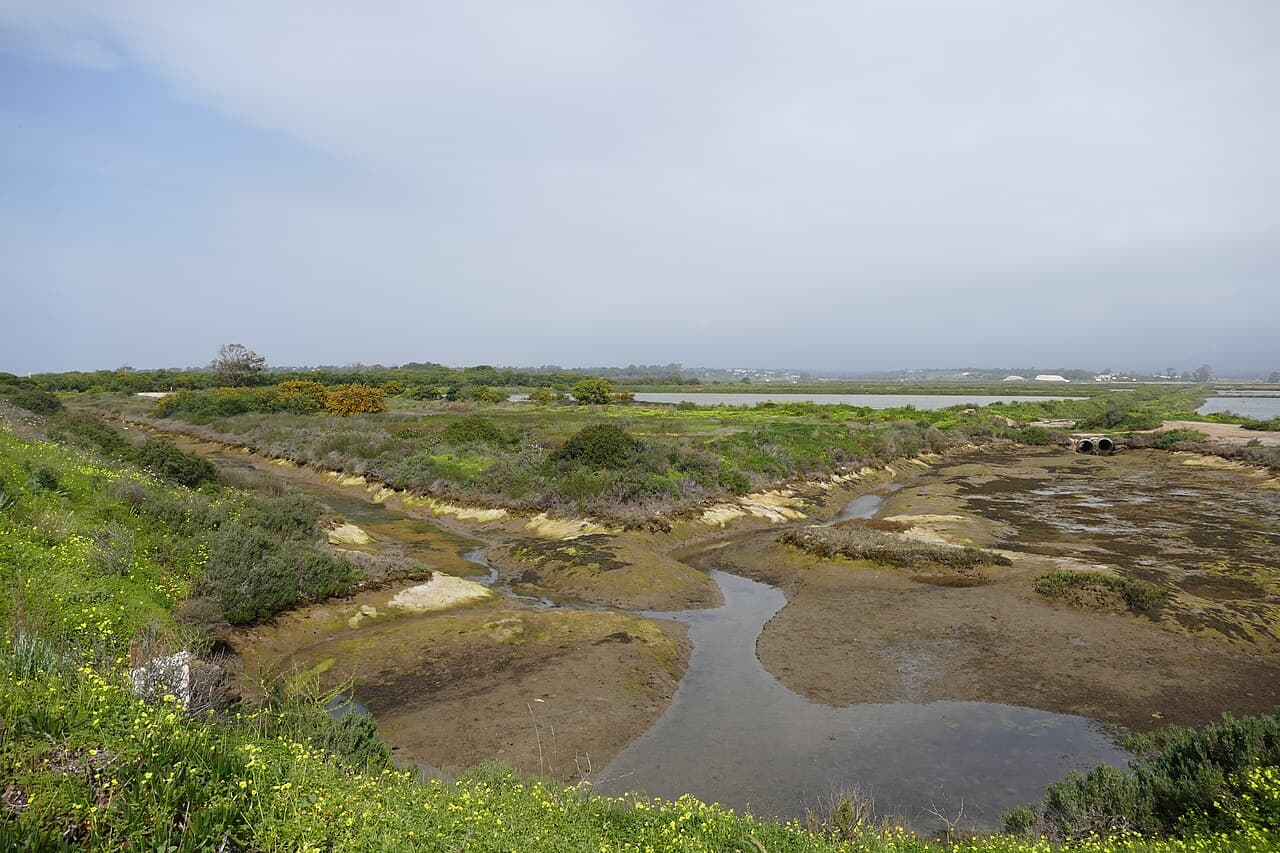
Ludo Trail Flamingo Lagoons
Flat lagoon-side tracks between Faro airport and Quinta do Lago where flamingos feed in old salt pans. The Ludo estate is the Ria Formosa at its most generous: former salinas and freshwater ponds threaded by sandy service tracks that anyone can walk or cycle. Flamingos are the headline act and are present most of the year, joined by spoonbills, black-winged stilts and, in the pines, chameleons you will almost certainly not spot. The route connects to the São Lourenço birdwatching trail, so you can make a morning of it, and the airport runway makes a surreal backdrop for photographs. Start from the dirt road off the Praia de Faro bridge or from the Quinta do Lago side, go early for the light, and bring binoculars.
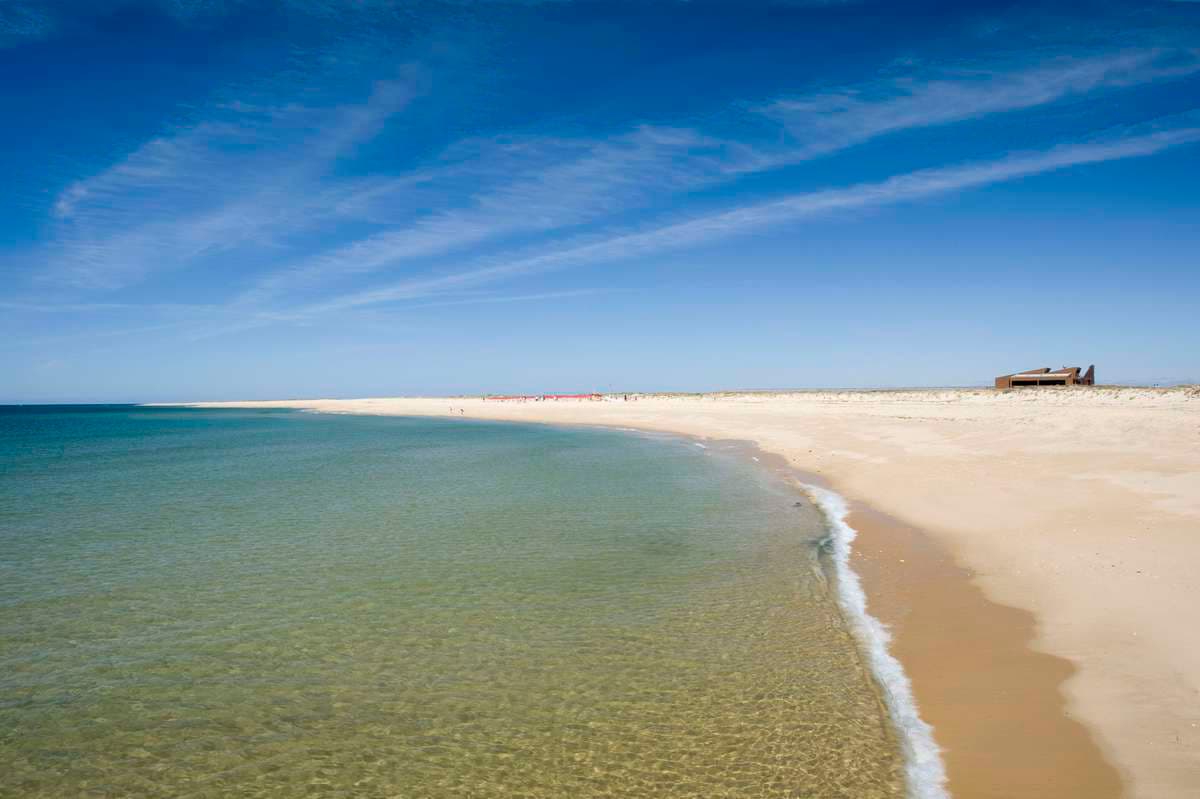
Ilha Deserta's Empty Far End
The southernmost tip of mainland Portugal: an uninhabited barrier island of white sand and shell banks, a short boat ride from Faro. Ilha Deserta, officially Ilha da Barreta, has no town, no cars and a single restaurant by the jetty. Most visitors settle within sight of it, which is why we send people the other way: follow the boardwalk or the tideline south-west towards Cabo de Santa Maria and within fifteen minutes you have kilometres of beach to yourself, with shell drifts underfoot and the whole Ria Formosa at your back. Boats run from Faro's old town pier year round, more often in summer. There is no shade beyond the restaurant, so take an umbrella, water and a hat, and note the time of the last boat back.
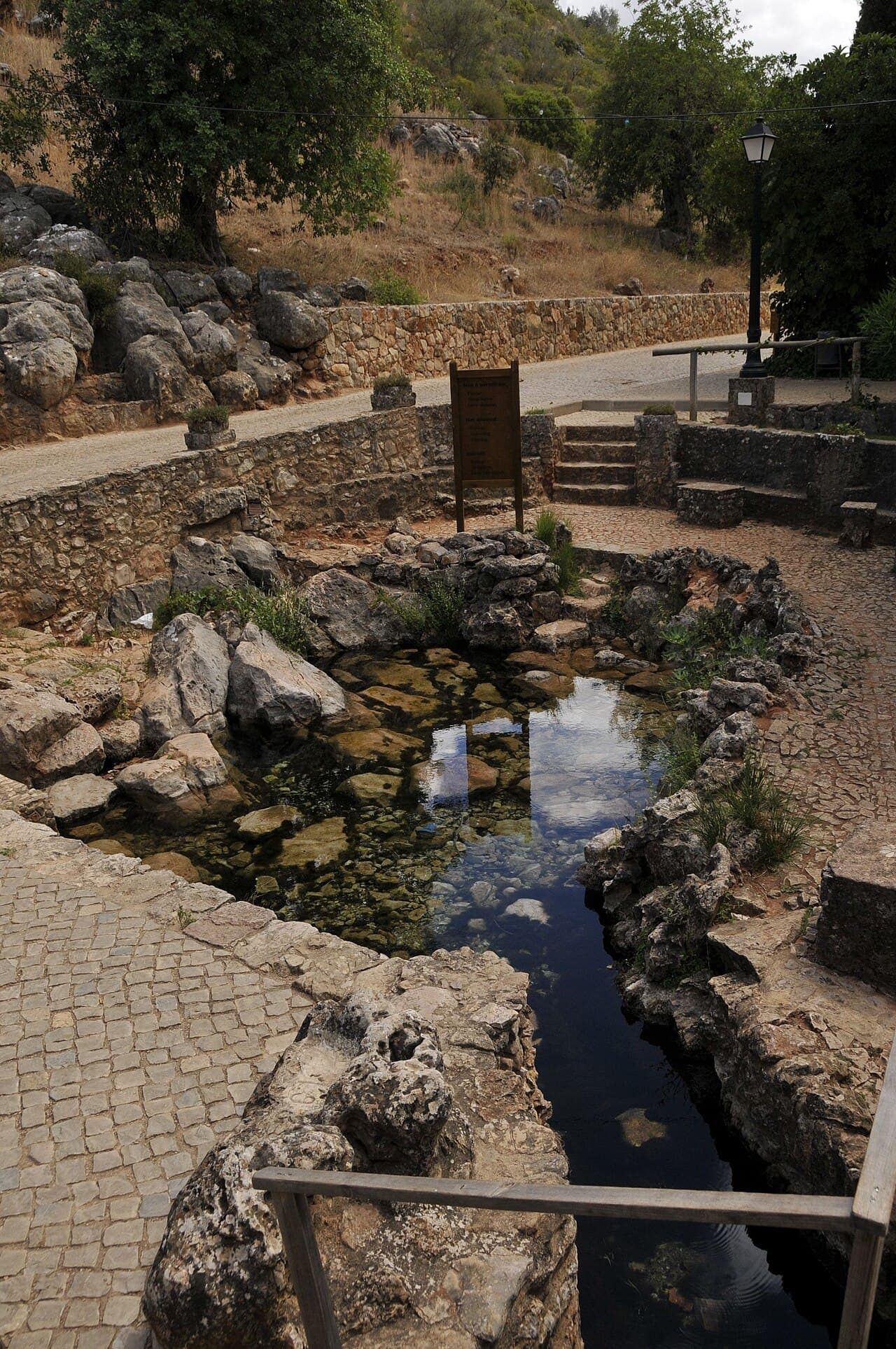
Alte Village Springs
The spring pools at the foot of Alte village, where cold water, stone picnic tables and big shade trees make the classic inland picnic spot. Fonte Grande and Fonte Pequena have watered Alte for centuries, and the walled pools and cobbled terraces around them are still where village life happens: christenings, São João festivities and long Sunday lunches in the shade. The stream runs cool even in August, and children paddle in the shallow channels below the weir. Verses by Cândido Guerreiro, the village poet, are tiled onto the walls by the water. Follow the stream path east for ten minutes to reach the small Vinagre waterfall, at its best after winter rain. Park at the edge of the village and walk down; mornings are quietest.
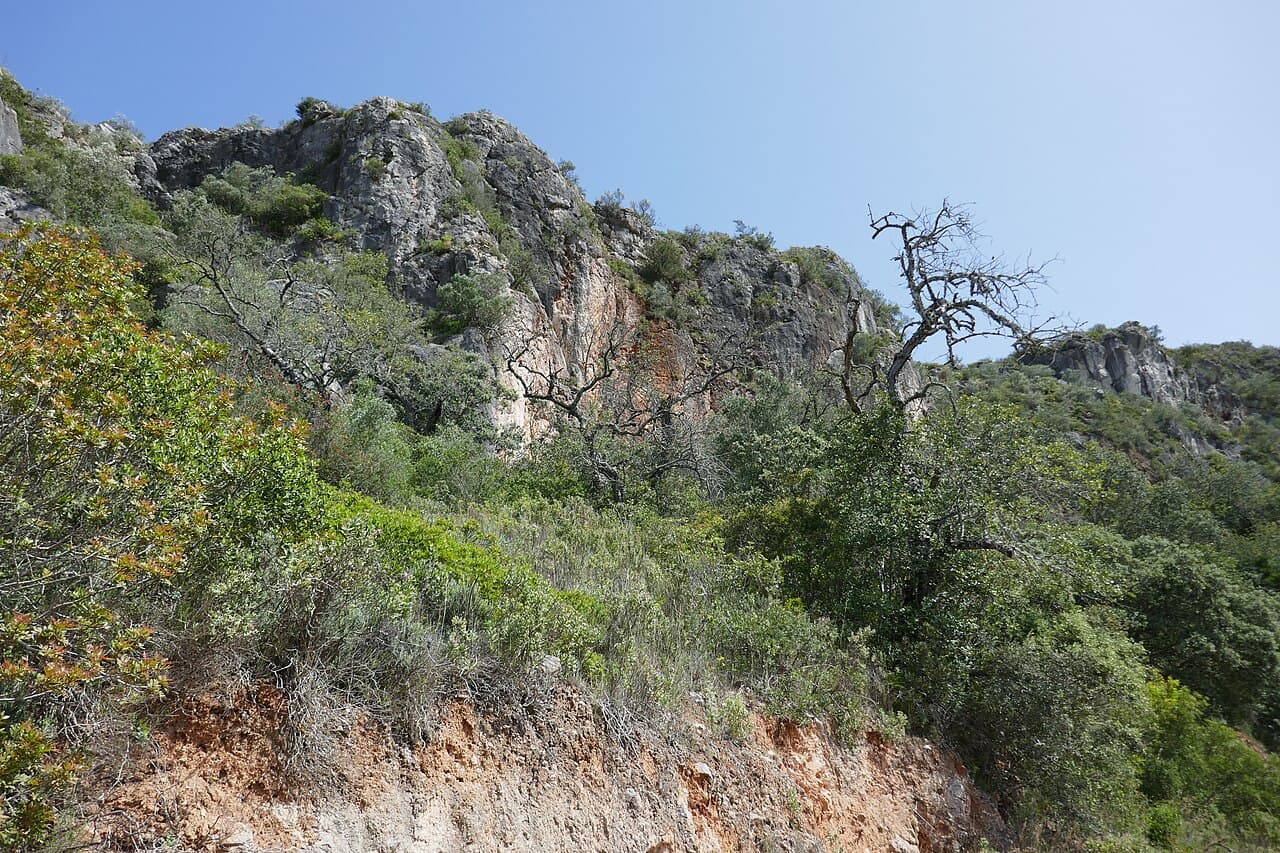
Rocha da Pena Escarpment
A 479 metre limestone ridge above Salir with a looping trail, two old windmills and views to the sea on clear days. The Rocha rises like a grey wall out of the Barrocal, and the classified circular trail of about six kilometres climbs through holm oak and wild olive to a summit plateau where a drystone rampart, said to be over two thousand years old, runs along the edge. Raptors ride the updraughts at eye level, and February covers the slopes in wild orchids and almond blossom. On the way down you pass the pair of restored windmills above Penina. Start at the trailhead in Rocha village, take two litres of water in summer, and allow around three hours for the full loop.
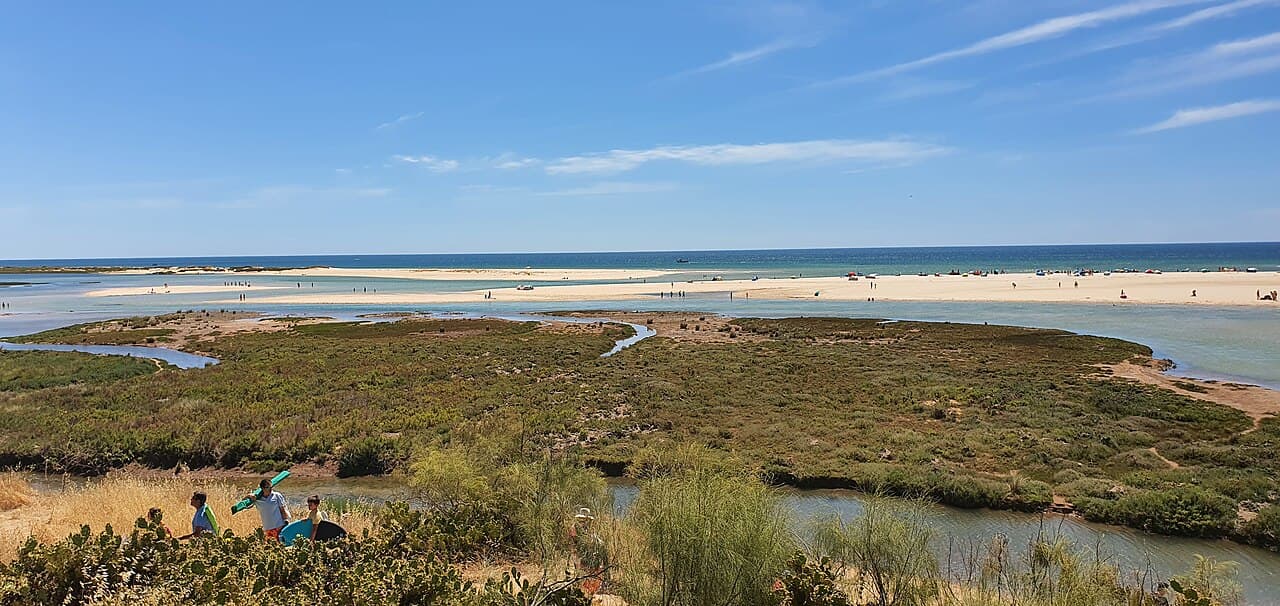
Cacela Velha Sandbar
A tiny whitewashed hamlet above a lagoon where, at low tide, locals wade across to an empty white sandbar. Cacela Velha is barely a dozen houses, a church and an old fort on a bluff at the eastern end of the Ria Formosa. The magic is below: when the tide drops, the lagoon empties to warm shallows and you can walk out to a long ribbon of white sand with clear Atlantic water on the far side. Oysters are farmed in the channels, and the view from the churchyard wall is one of the finest in the east Algarve. Park at Fábrica or above the hamlet, check the tide table before you go, and carry everything you need, as the sandbar has no shade or facilities.
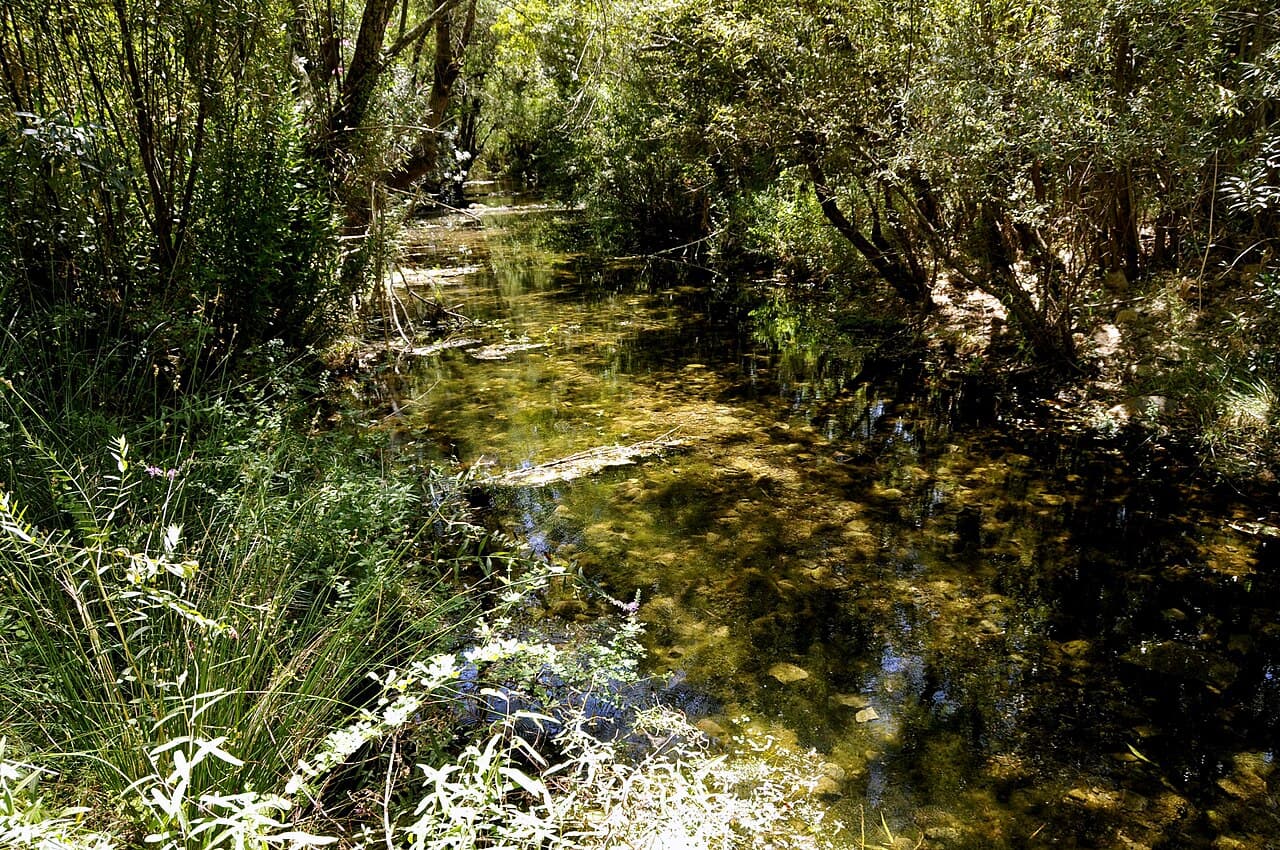
Fonte Benémola Springs Loop
A year round stream in the dry Barrocal hills, ringed by a gentle signposted loop walk near Querença. Water is the rarest thing in the Algarve interior, and Fonte Benémola has it all year, welling up through limestone and sliding between willows, poplars and reed beds. The protected valley holds a circular trail of roughly four and a half kilometres, flat enough for children and shaded for much of the way. Terrapins bask on the stones, dragonflies work the pools, and spring turns the banks into a wildflower show. We rate it as the easiest proper nature walk in the central Algarve. Start from the small car park on the Querença side and walk the loop anticlockwise to keep the stream beside you early on.
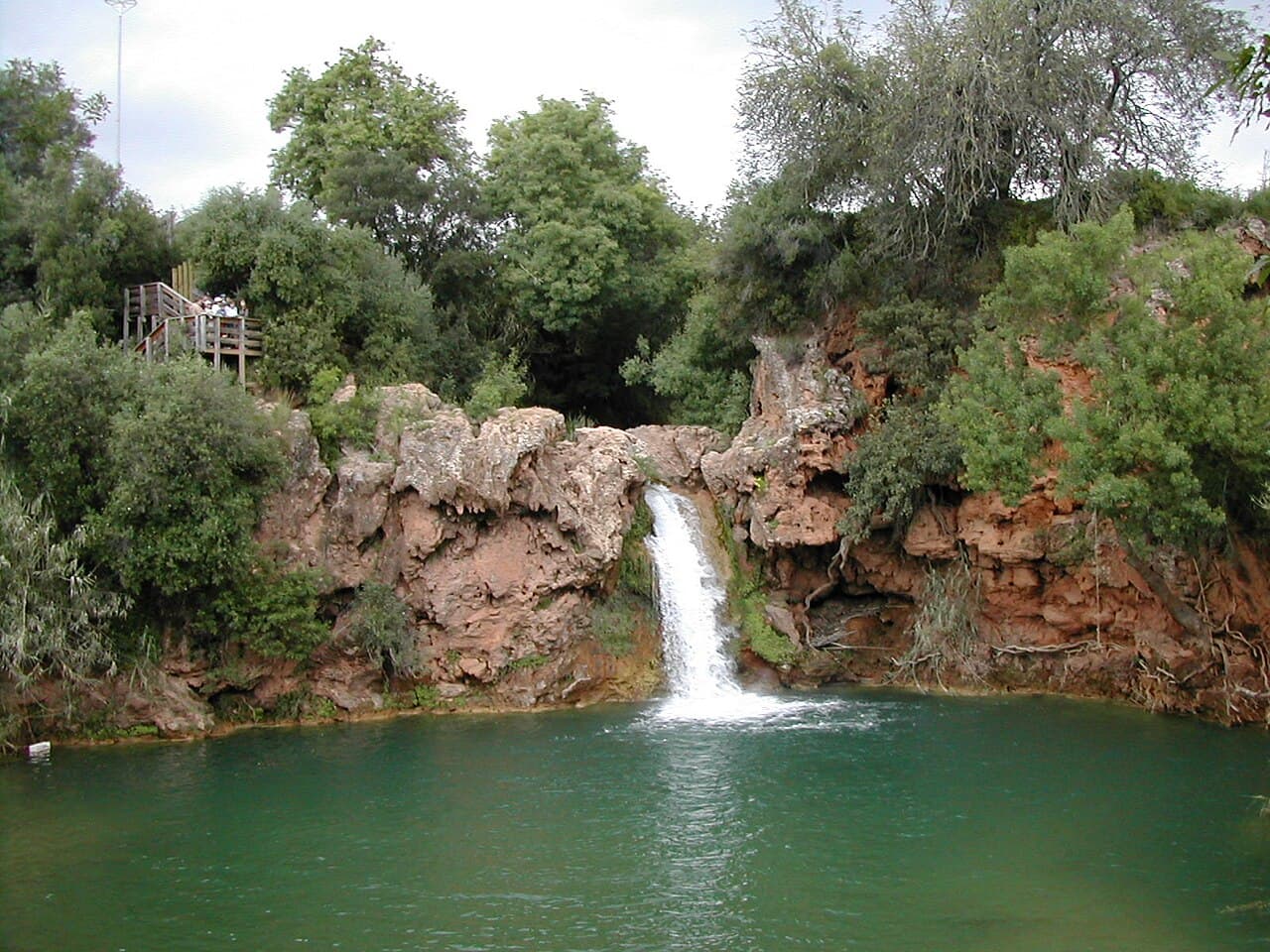
Pego do Inferno Waterfall
A small waterfall and deep green lagoon hidden in the Asseca valley, a ten minute drive inland from Tavira. Fed by the Ribeira da Asseca, the falls drop over an ochre limestone ledge into a pool that local legend swears is bottomless. Generations of Tavira families learned to swim here, and on summer evenings you will still find people picnicking on the rocks while teenagers dare each other off the lower ledges. Wildfires and storms have battered the old walkways over the years, so the setting is rougher than the postcard suggests, which is exactly why it stays quiet. Park by the lane above Santo Estêvão and walk the last stretch down; go on a weekday morning for the clearest water, and carry your rubbish out.
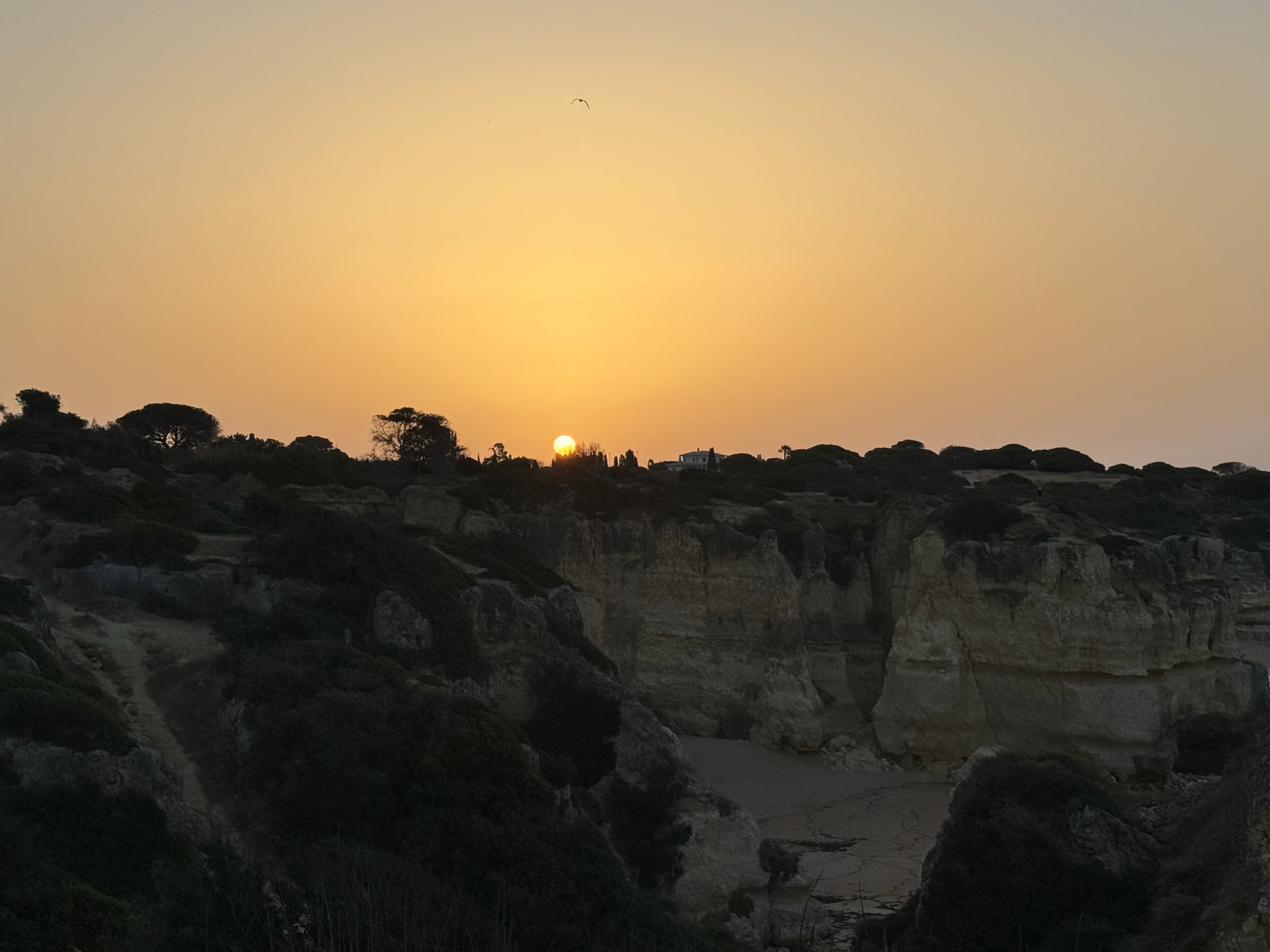
Praia do Castelo
Beautiful viewpoint, walking trails, AND beach. Truly a wonderful gem.