
Do you organise this event?
Organisers and venues can claim Olhão Saturday Riverside Market free of charge to manage the listing, add photos and tickets, and host it under their business.
Planning to attend? No claim needed. Just mark yourself as going.
Olhão's famous riverside market is busiest on Saturday — the brick market halls plus an outdoor farmers' and fish market along the waterfront.
Be the first to comment.
Type a question and get a straight answer from the pages here.
One email a week with the best events across the Algarve. Free.
Spots found by members, the town’s own circle, and people who answer whatever you want to ask.
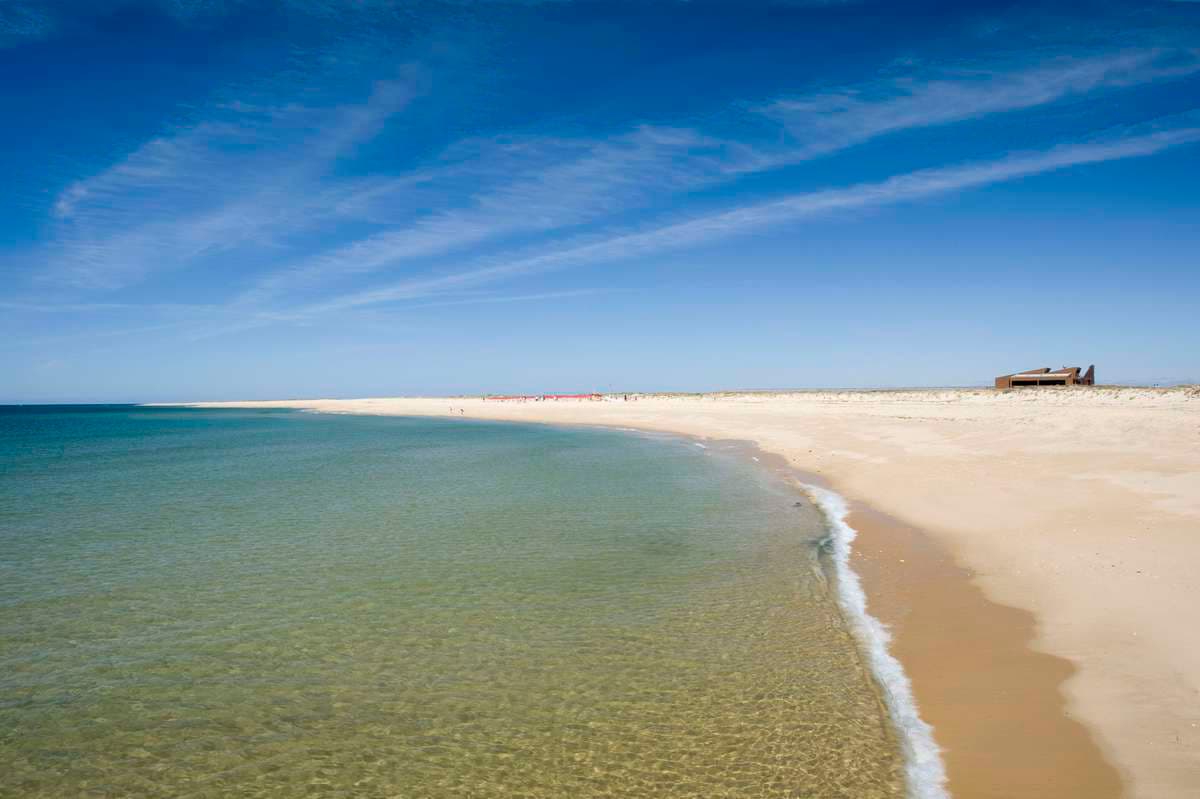
The southernmost tip of mainland Portugal: an uninhabited barrier island of white sand and shell banks, a short boat ride from Faro. Ilha Deserta, officially Ilha da Barreta, has no town, no cars and a single restaurant by the jetty. Most visitors settle within sight of it, which is why we send people the other way: follow the boardwalk or the tideline south-west towards Cabo de Santa Maria and within fifteen minutes you have kilometres of beach to yourself, with shell drifts underfoot and the whole Ria Formosa at your back. Boats run from Faro's old town pier year round, more often in summer. There is no shade beyond the restaurant, so take an umbrella, water and a hat, and note the time of the last boat back.
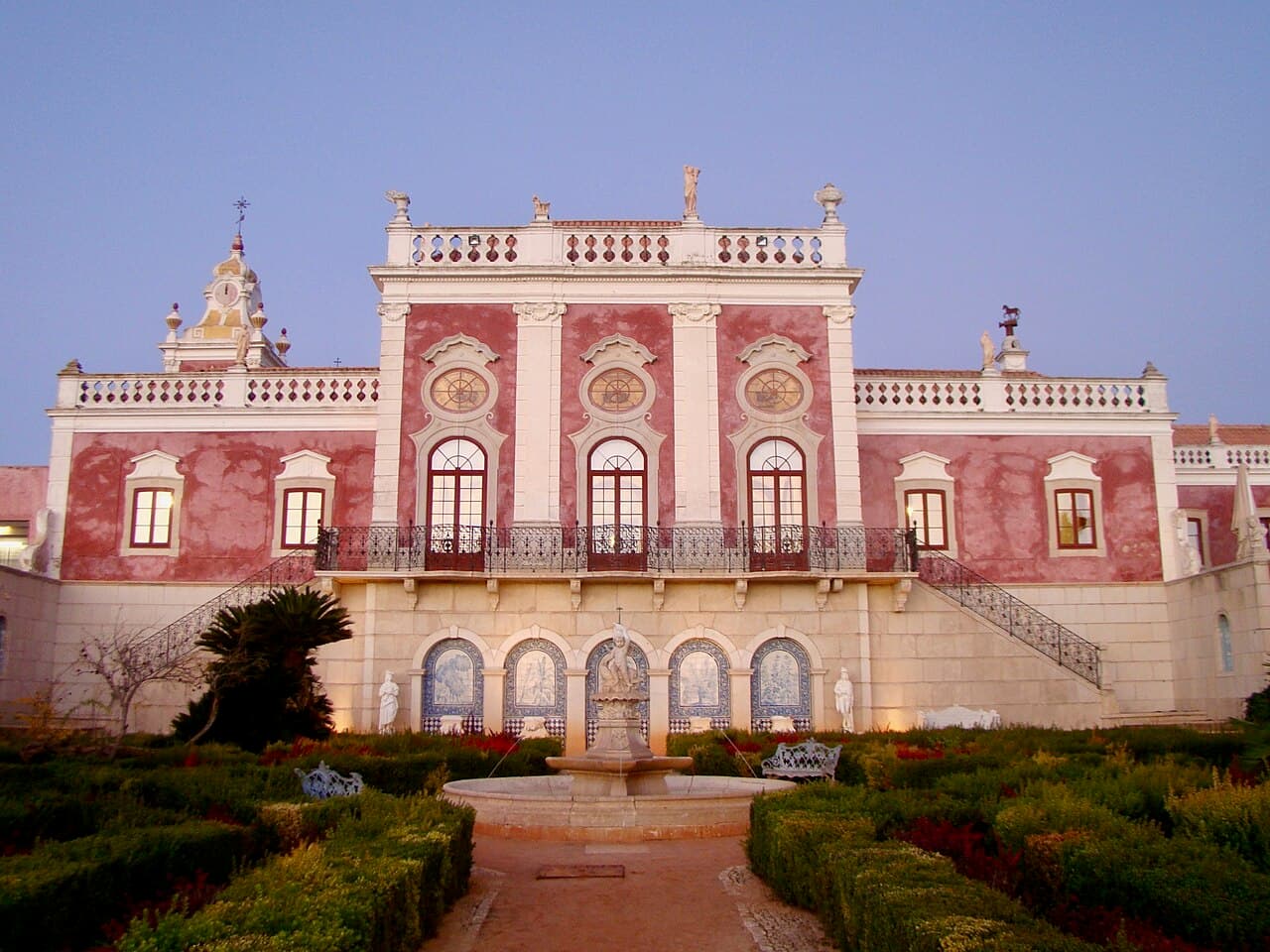
A pink Rococo revival palace above Faro whose terraced gardens, azulejos and orange trees feel made for slow afternoons. The Palácio de Estói was a nineteenth century nobleman's fantasy and is now a pousada, but the gardens remain open to visitors and are the real prize: balustraded terraces, blue and white azulejo panels, statues, palms and a fountain stair that catches the light at dusk. It sits just off Estói's village square, so you can pair it with coffee at a local café or with the Roman ruins at Milreu, ten minutes away on foot. Weekday mornings outside holiday season are near silent. Enter through the garden gate rather than the hotel reception and take the terraces from the bottom up for the best reveal.
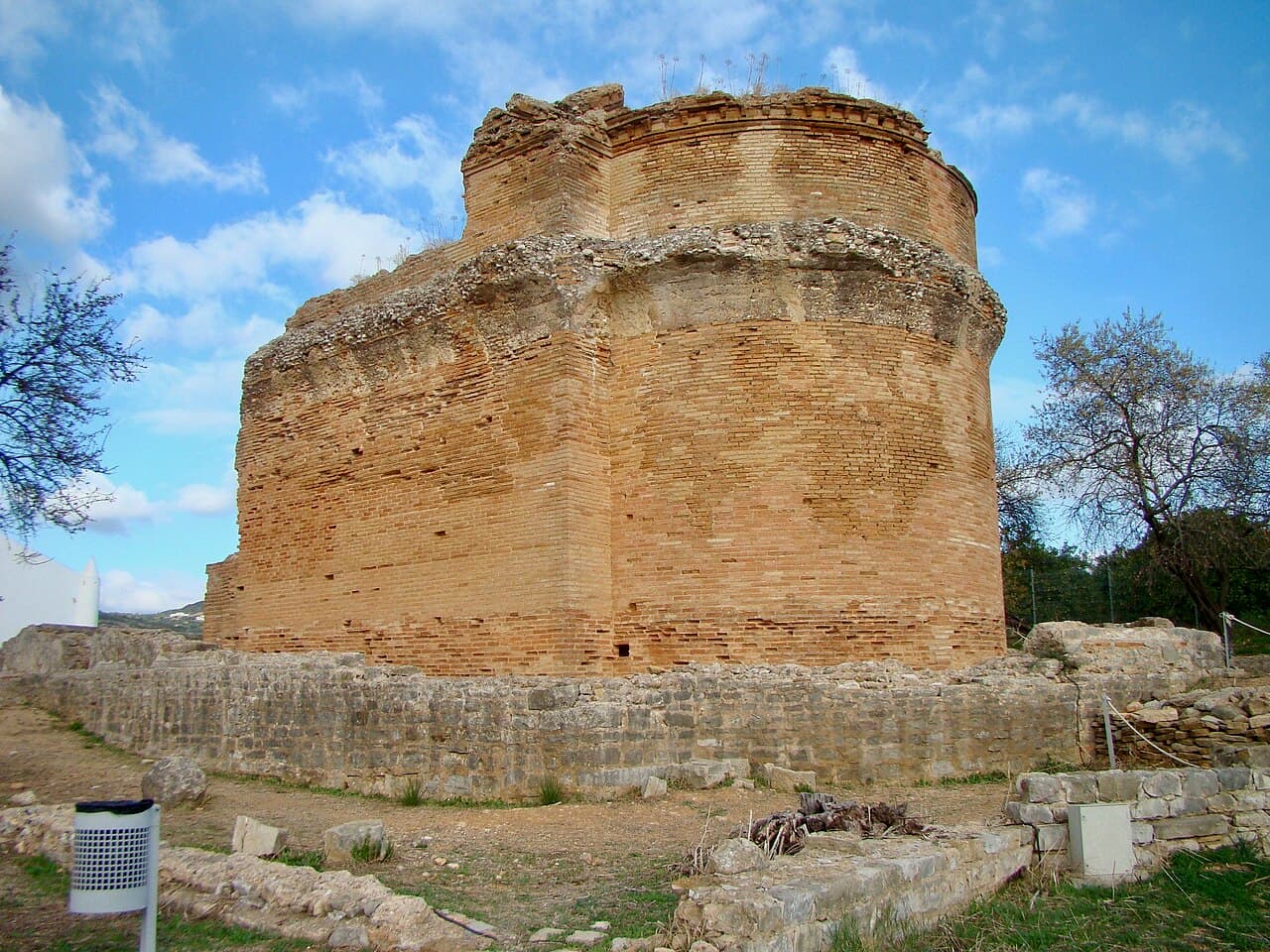
The ruins of a grand Roman villa at Estói, complete with fish mosaics and a temple that later became a church. Milreu was a luxury estate from the first to the fourth century, and what survives is remarkably legible: bathhouse walls with dolphin and fish mosaics, olive presses, and the tall podium temple that early Christians later converted, one of the few of its kind in Portugal. Interpretive panels are decent and the site rarely draws more than a handful of visitors at a time, so you can take it slowly under the trees while the rural setting drives home how comfortable Roman country life was. Pair it with the palace gardens up the road in Estói; the walk between the two takes about ten minutes.
The town circle
Ask the locals, share what’s on and keep up with life in Olhão.
Ask it here. People who live in the Algarve answer, and no question is too small.

Weekly Monster giveaways and promotions with house, R'n'B and hip hop every Thursday at Matt's Bar in Albufeira, March to October.
 by Matt's Bar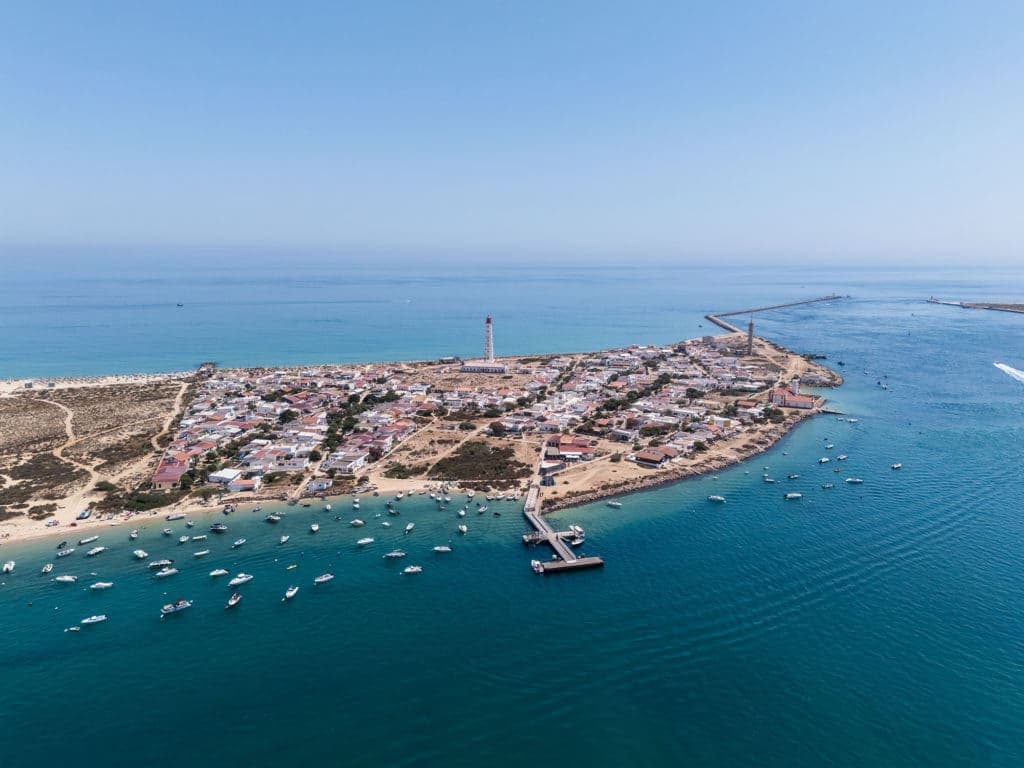
The soloists of the Algarve Orchestra present an unusual line-up for this chamber music concert: a wind quartet comprising Joaquim Moita on bassoon, Luís Miguel Garcia on flute, Emídio Costa on clarin

The sixth Algarve meeting of vintage military vehicles runs from 17 to 20 September 2026 in the Loulé area, bringing together restored military trucks, jeeps and other historic vehicles and their owne
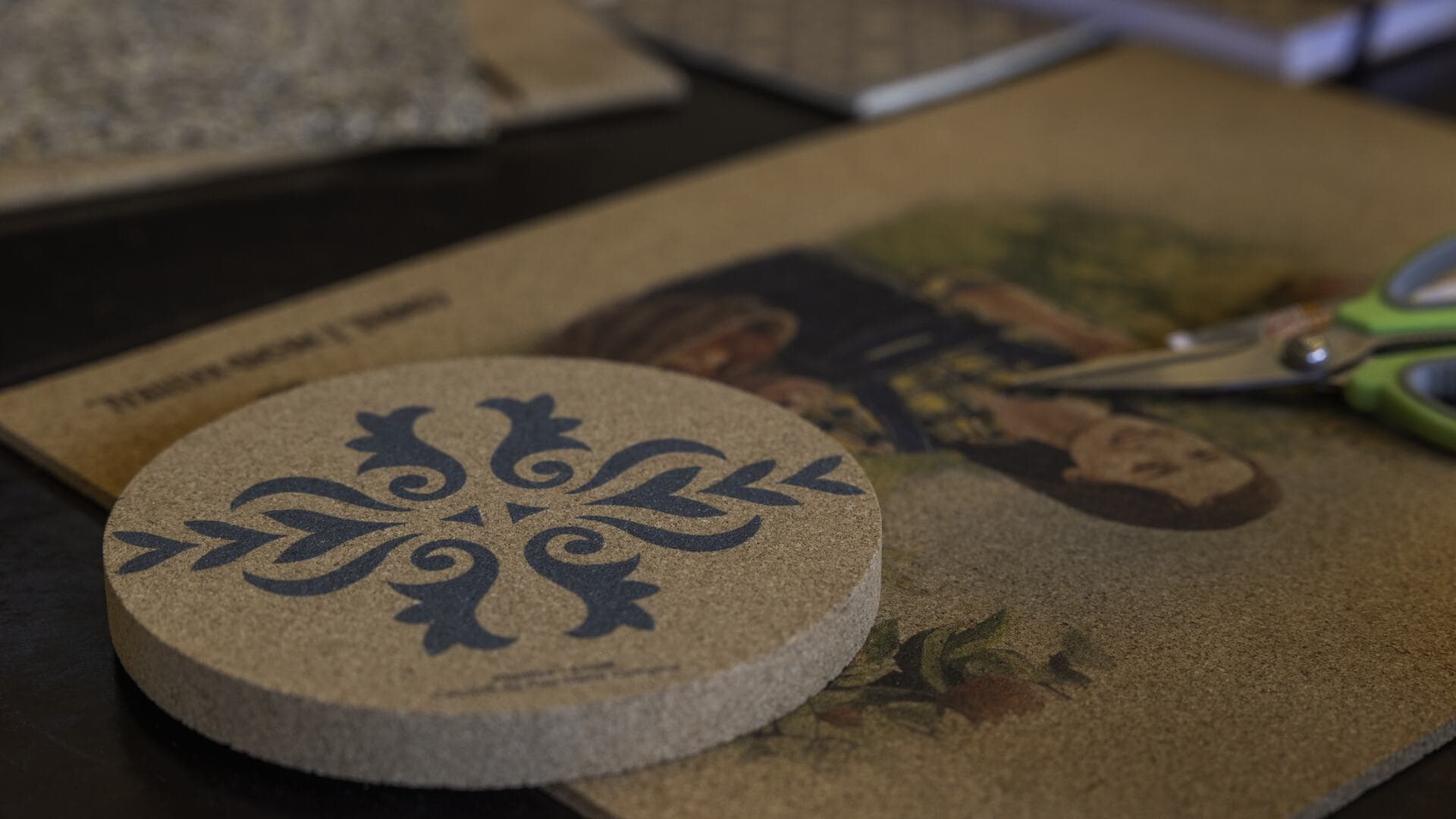
Work Portuguese cork into decor and jewellery with designer Sandra Louro, Thursdays.