
Estói Palace Gardens
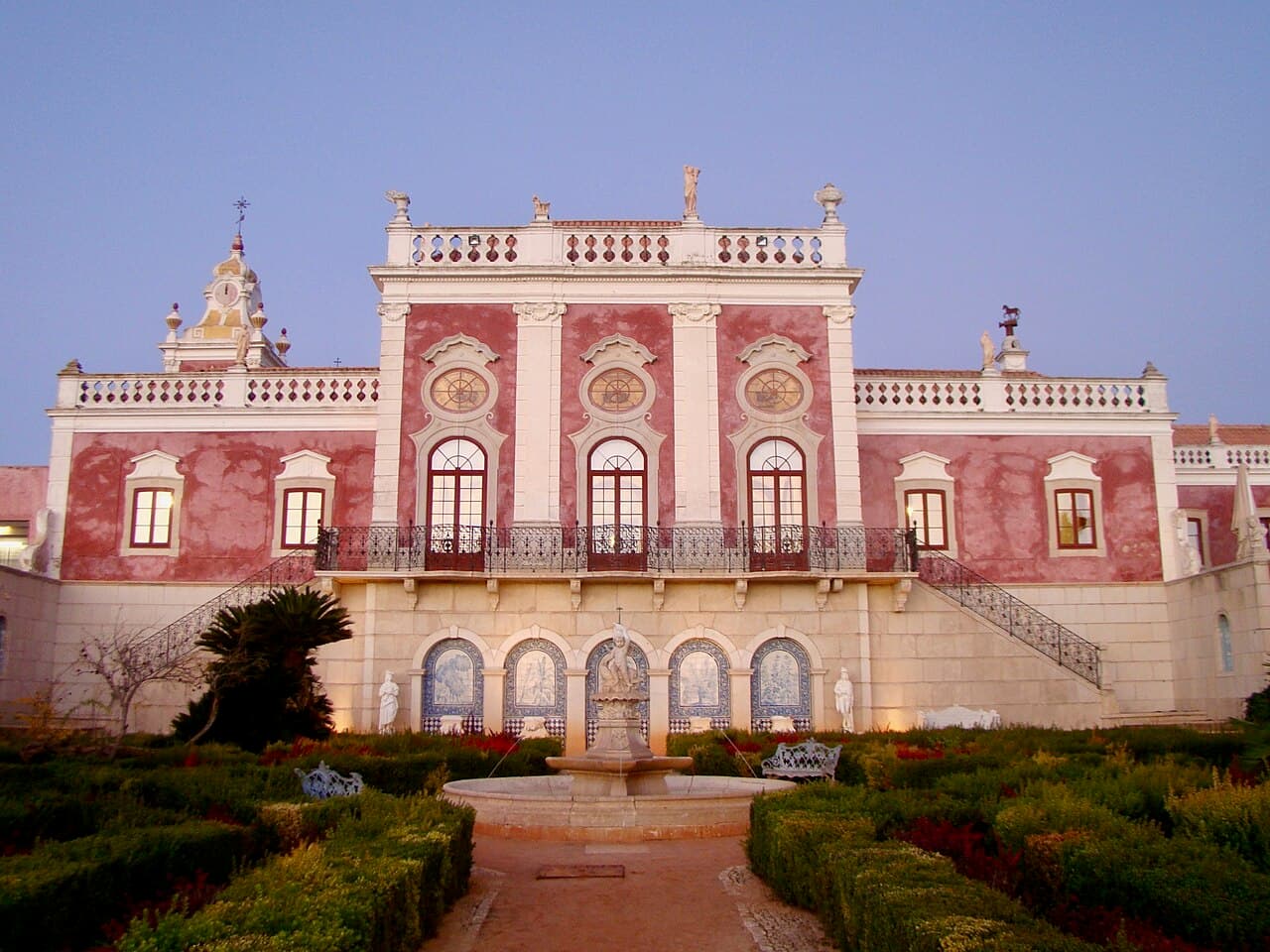
Photo: Bextrel, CC BY-SA 4.0, via Wikimedia Commons
A pink Rococo revival palace above Faro whose terraced gardens, azulejos and orange trees feel made for slow afternoons. The Palácio de Estói was a nineteenth century nobleman's fantasy and is now a pousada, but the gardens remain open to visitors and are the real prize: balustraded terraces, blue and white azulejo panels, statues, palms and a fountain stair that catches the light at dusk. It sits just off Estói's village square, so you can pair it with coffee at a local café or with the Roman ruins at Milreu, ten minutes away on foot. Weekday mornings outside holiday season are near silent. Enter through the garden gate rather than the hotel reception and take the terraces from the bottom up for the best reveal.
Worth the trip?
No ratings yet. Be the first.
Where to find it
Get directions
Found by adam
More like this
Silves Old Bridge and Riverside
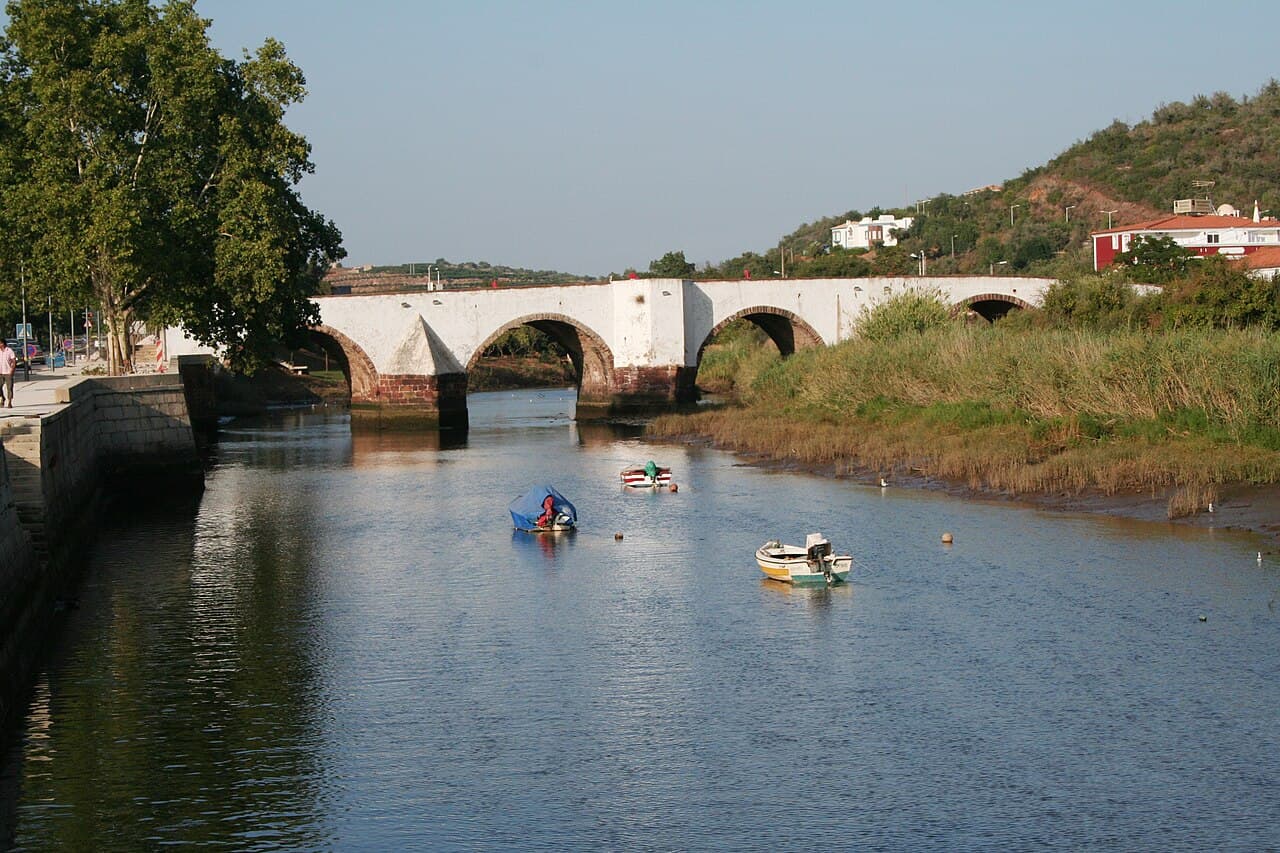
Silves' whitewashed old bridge and the riverside beneath the castle, best at low tide when egrets stalk the Arade mudflats. Everyone climbs to the red castle; far fewer linger on the river. The multi-arched Ponte Velha, medieval on older foundations and long nicknamed the Roman bridge, still carries foot traffic across the Arade, and the banks around it are Silves at its most local: anglers, café tables, market mornings and storks clattering on the chimneys. At low tide the river drops to channels where egrets and waders feed, with the castle and cathedral stacked above the whitewash behind. Cross to the south bank in late afternoon for the view back over town, then take a table near the municipal market as the light turns orange.
Milreu Roman Villa
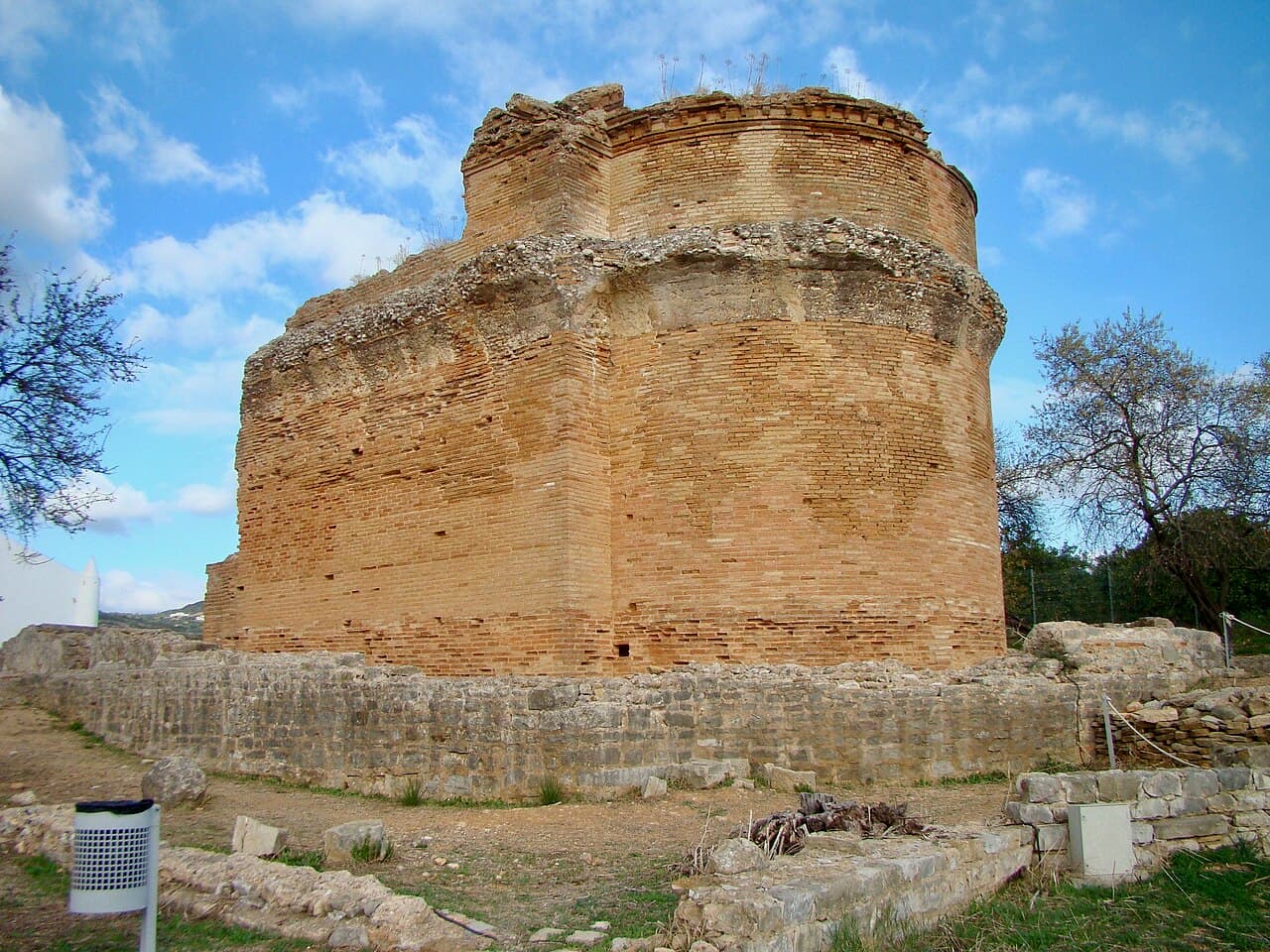
The ruins of a grand Roman villa at Estói, complete with fish mosaics and a temple that later became a church. Milreu was a luxury estate from the first to the fourth century, and what survives is remarkably legible: bathhouse walls with dolphin and fish mosaics, olive presses, and the tall podium temple that early Christians later converted, one of the few of its kind in Portugal. Interpretive panels are decent and the site rarely draws more than a handful of visitors at a time, so you can take it slowly under the trees while the rural setting drives home how comfortable Roman country life was. Pair it with the palace gardens up the road in Estói; the walk between the two takes about ten minutes.
Know a hidden spot like this?
Add your own Gem