
Alcalar Prehistoric Tombs
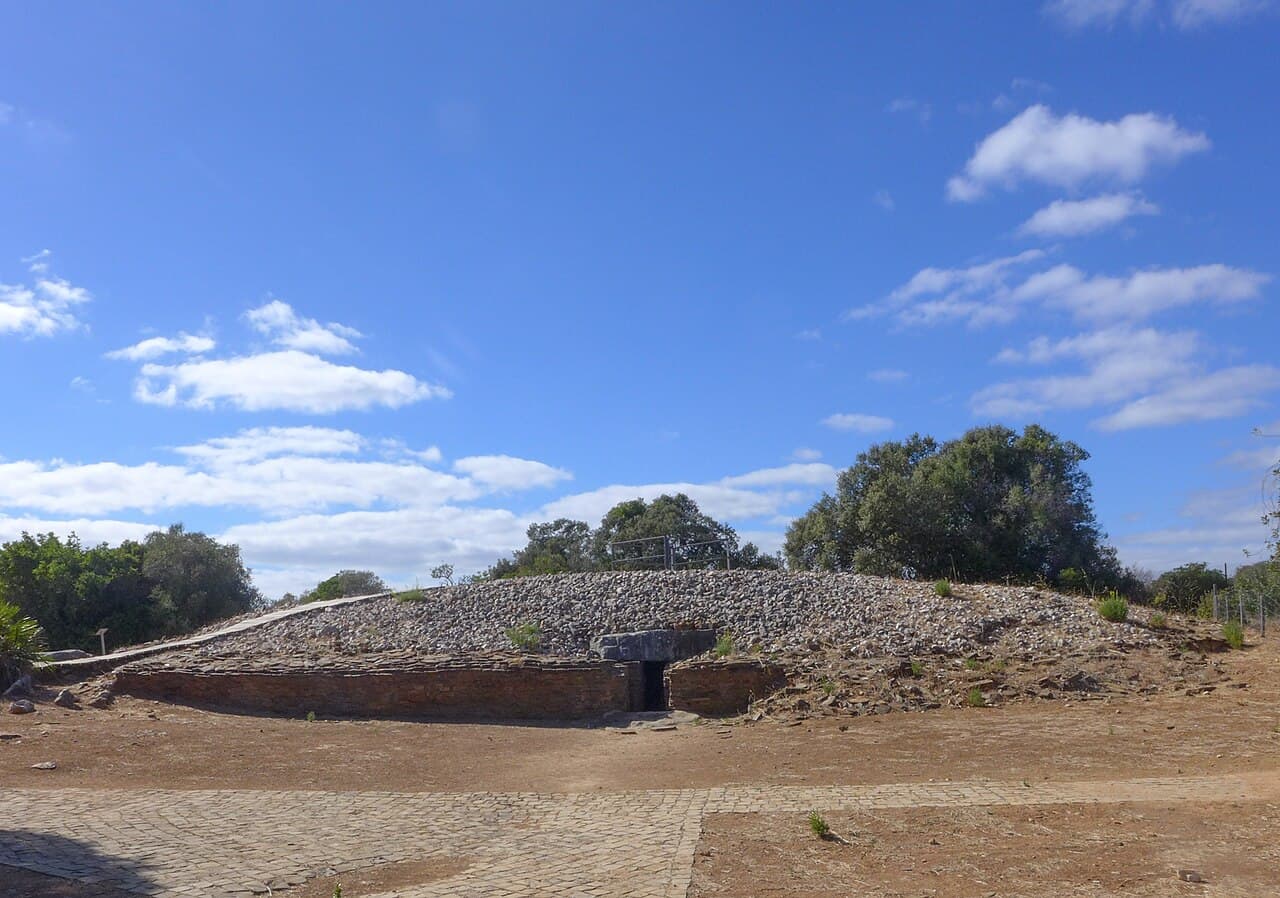
Photo: Notafly, CC BY-SA 4.0, via Wikimedia Commons
A necropolis of 5,000 year old monumental tombs in farmland behind Alvor, with a walk-in burial mound at its heart. Alcalar was the ceremonial centre of a Copper Age community that farmed this corner of the Algarve, and restored Monument 7 is the showpiece: a stone mound with a low passage leading to a corbelled chamber, engineering from around 3000 BC that you can peer into from the entrance corridor. Several more tombs lie around it in various states of excavation, and a small interpretation centre sets the scene. Few people come, so you will likely share the site only with larks and the wind. It is signposted from Mexilhoeira Grande off the N125; combine it with lunch in Alvor or Figueira.
Worth the trip?
No ratings yet. Be the first.
Where to find it
Get directions
Found by adam
More like this
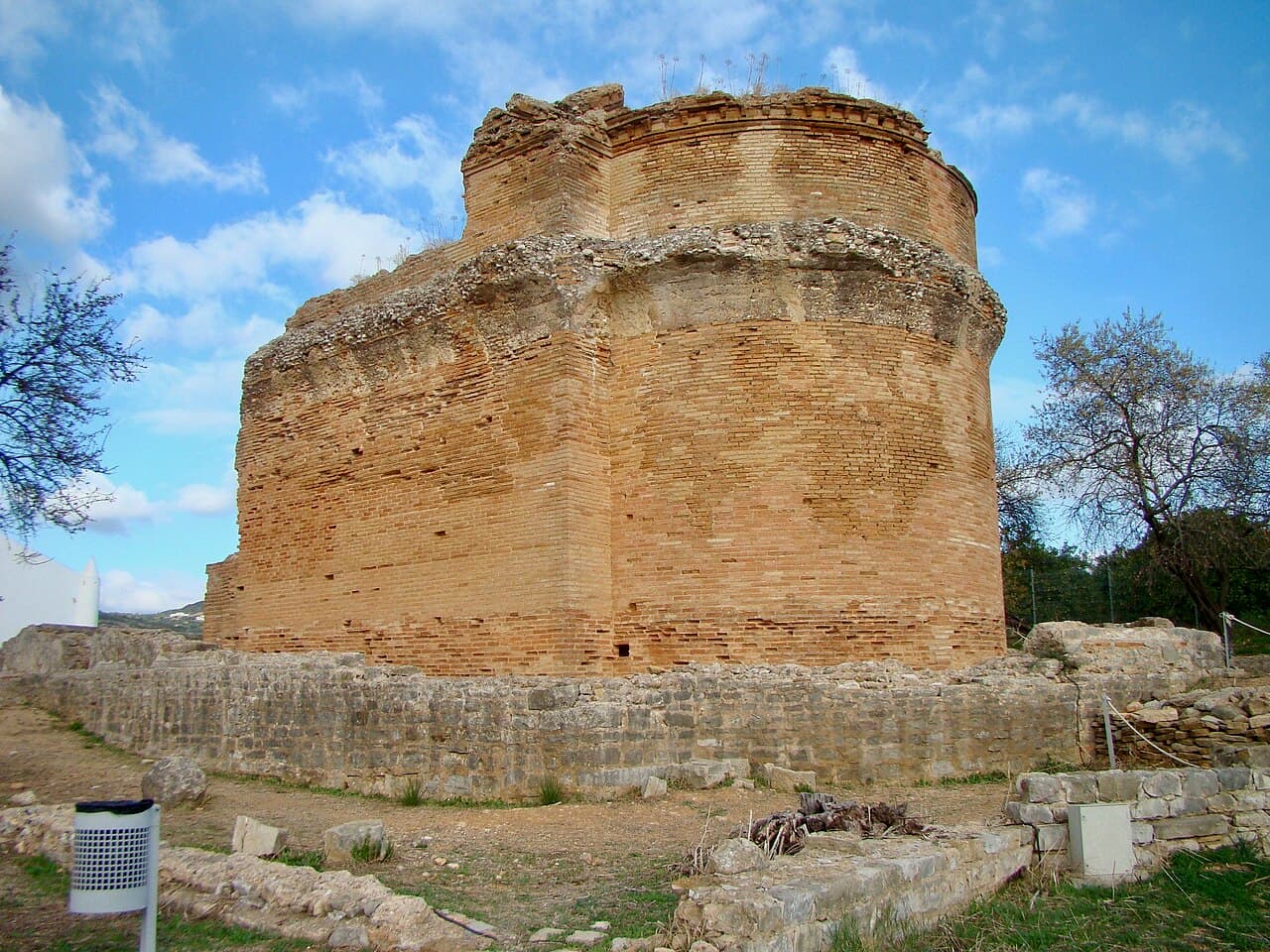
Milreu Roman Villa
The ruins of a grand Roman villa at Estói, complete with fish mosaics and a temple that later became a church. Milreu was a luxury estate from the first to the fourth century, and what survives is remarkably legible: bathhouse walls with dolphin and fish mosaics, olive presses, and the tall podium temple that early Christians later converted, one of the few of its kind in Portugal. Interpretive panels are decent and the site rarely draws more than a handful of visitors at a time, so you can take it slowly under the trees while the rural setting drives home how comfortable Roman country life was. Pair it with the palace gardens up the road in Estói; the walk between the two takes about ten minutes.
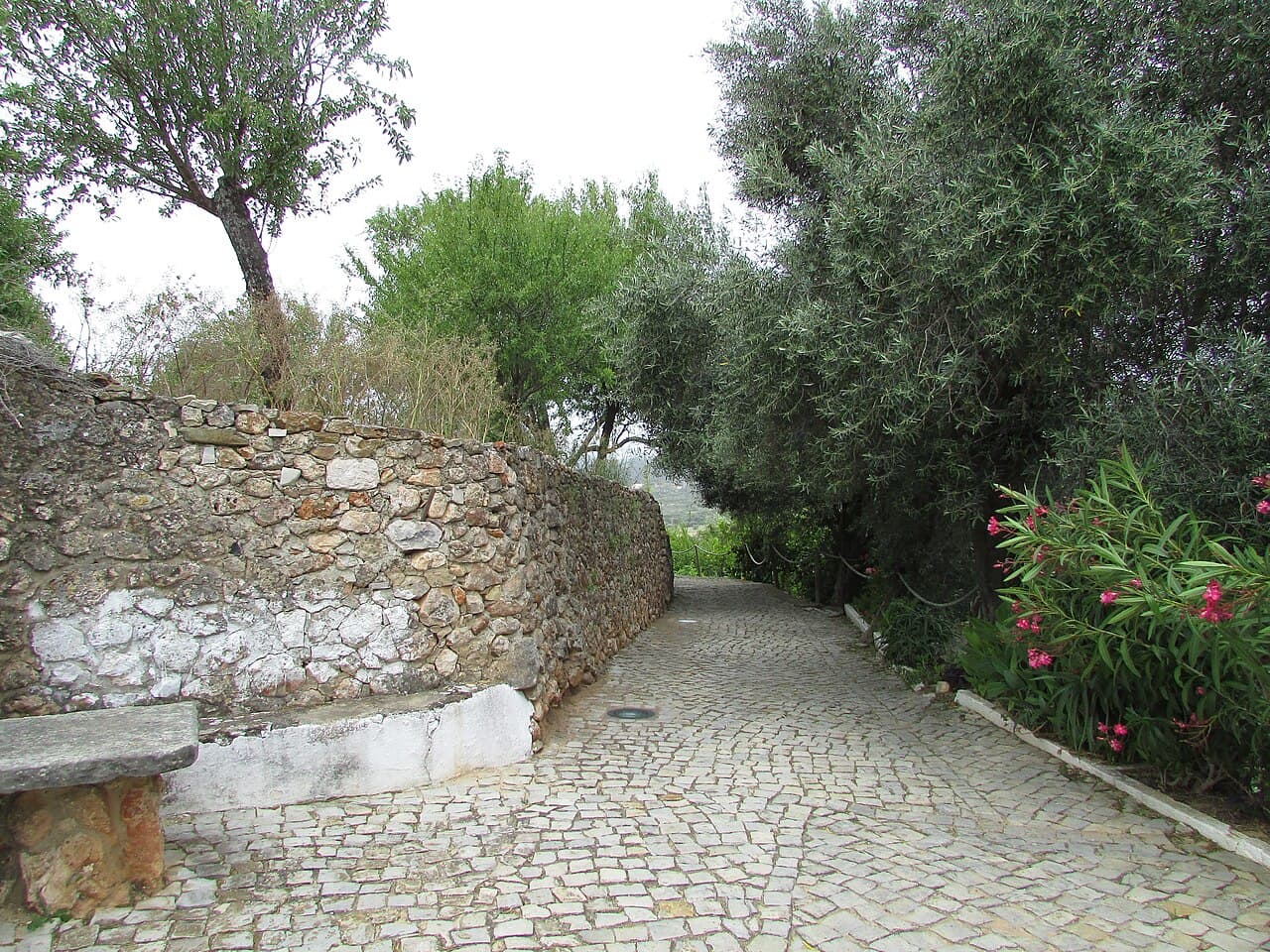
Salir Castle Ruins
The rammed earth remains of a 12th century Almohad castle, with village houses built right into its walls. Salir's castle never got the picture book restoration, and that is its charm. Chunks of taipa, the rammed earth the Almohads built with, stand between cottages and vegetable gardens at the top of the village, and you wander through what was once the fortified enclosure on ordinary lanes. A small interpretation centre explains the Islamic settlement that stood here, and the terrace at the top looks across the Barrocal towards the Rocha da Pena. Come in late afternoon when the low sun warms the earth walls, combine it with the Rocha trail or lunch in the village, and expect to have the place largely to yourself.
Know a hidden spot like this?
Add your own Gem