Connect
Marga Alfeirão and Projecto Casa present Kitada, a new multidisciplinary work exploring female eroticism and desire in relation to memory and the past, at the Cineteatro Louletano. The piece is a co-p

Hosted by
Cineteatro Louletano
Marga Alfeirão and Projecto Casa present Kitada, a new multidisciplinary work exploring female eroticism and desire in relation to memory and the past, at the Cineteatro Louletano. The piece is a co-production developed with the Centro Cultural Vila Flor and O Espaço do Tempo. It premieres as part of the Cineteatro's September season.
Event listing via cm-loule.pt
Be the first to comment.
Type a question and get a straight answer from the pages here.
A few minutes from the venue, and taking bookings or requests.
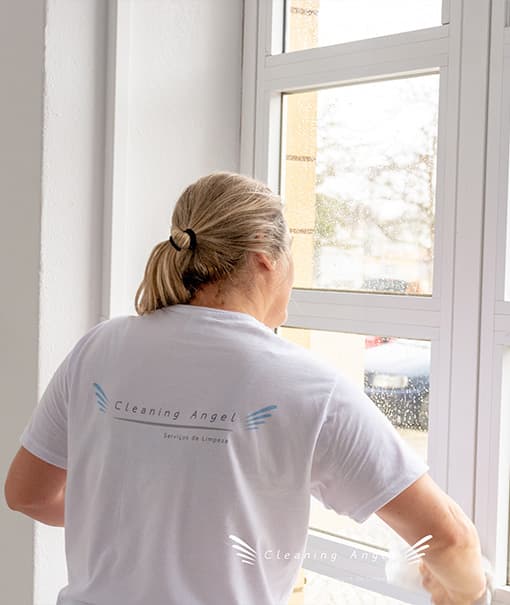

Professional cleaning services for homes and businesses in Loulé, Algarve.
50 m from the venue


50 m from the venue
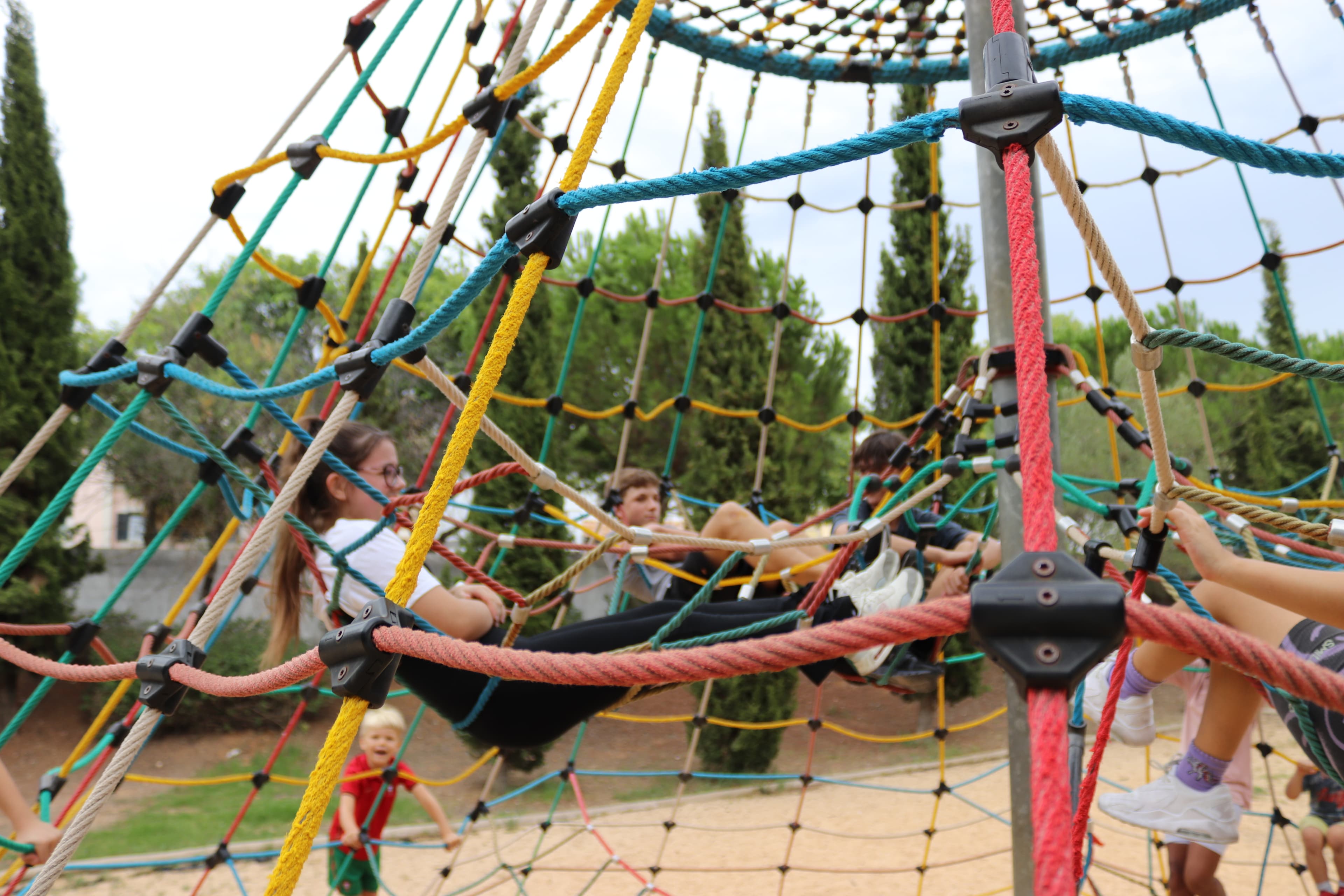

Educan, Algarve is a Loulé learning centre teaching the Pearson Edexcel British curriculum to ages 5 to 16, mornings in class plus afternoon clubs.
50 m from the venue
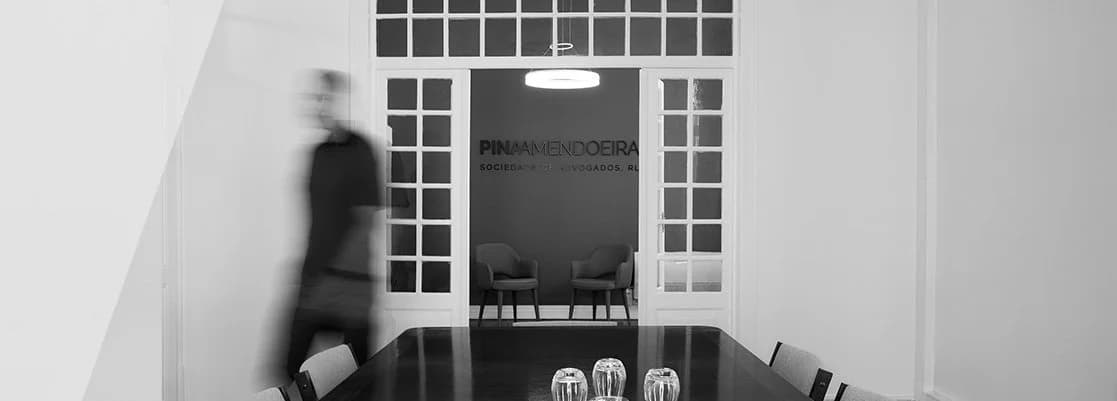

Law office in Loulé for residents, companies and international investors, in Portuguese and English.
50 m from the venue
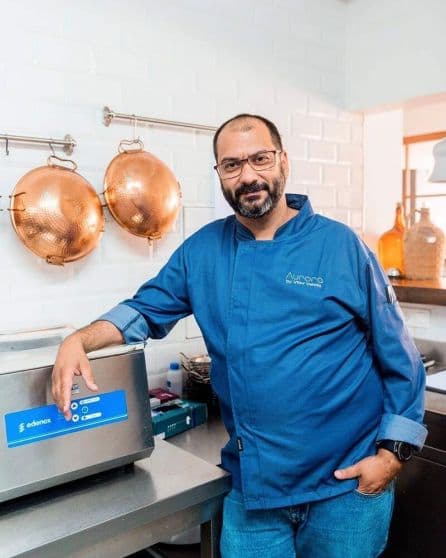
Contemporary Portuguese restaurant in Loulé old town from chef Vitor Veloso, formerly of the Ritz London and Viajante.
50 m from the venue
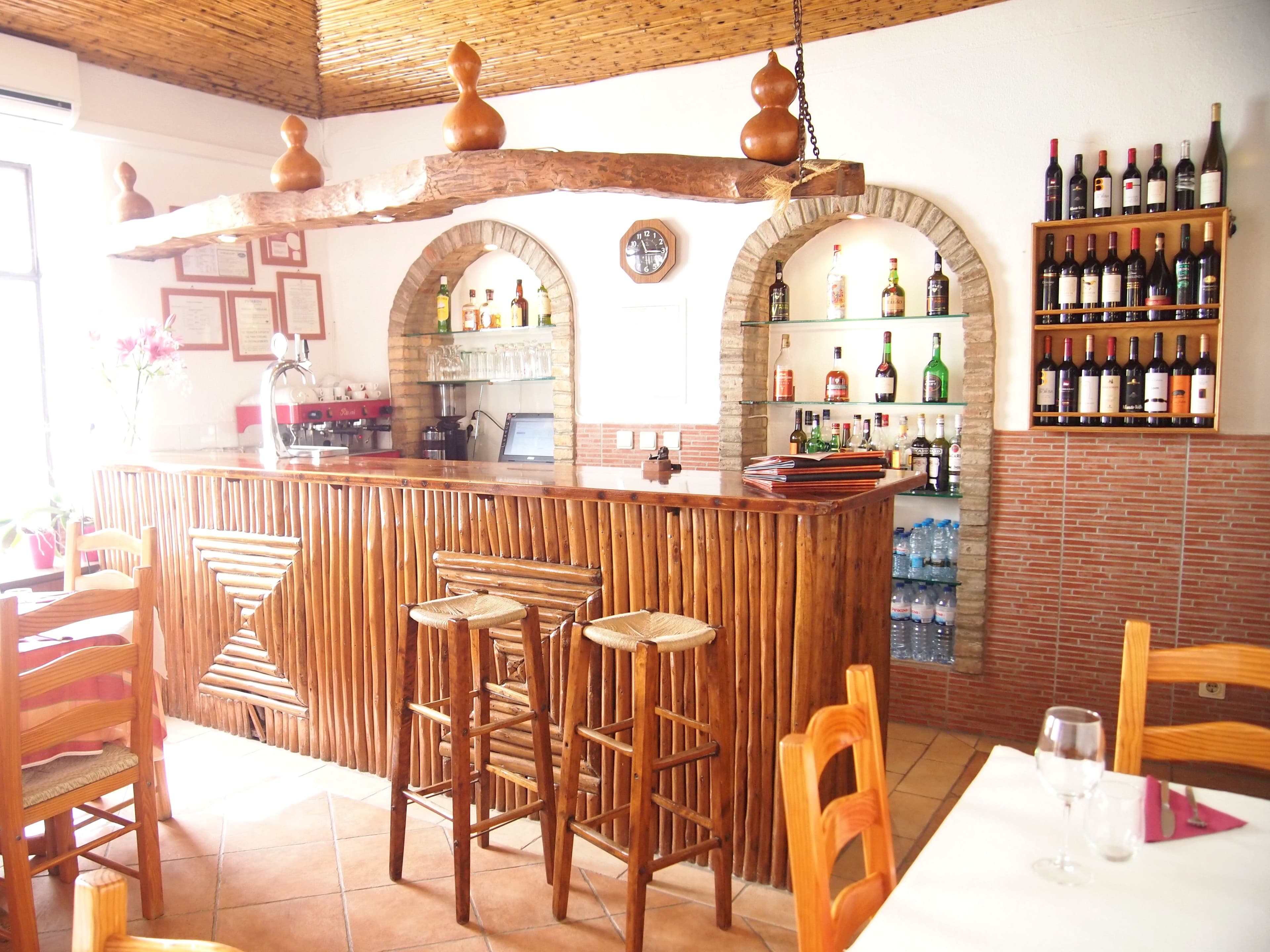
Traditional Portuguese restaurant in the historic centre of Loulé, near Praça da República, with dishes of the day and fresh fish.
100 m from the venue
One email a week with the best events across the Algarve. Free.
Spots found by members, the town’s own circle, and people who answer whatever you want to ask.
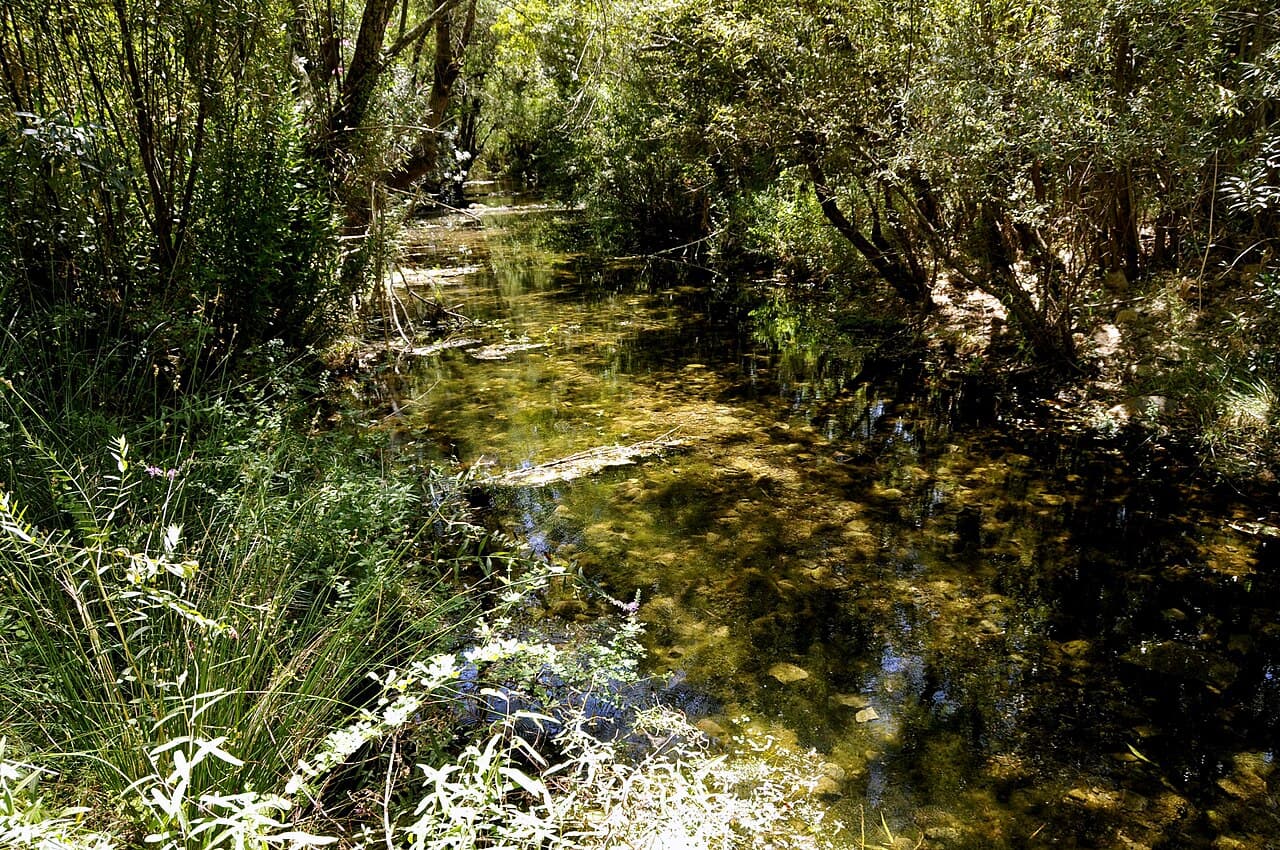
A year round stream in the dry Barrocal hills, ringed by a gentle signposted loop walk near Querença. Water is the rarest thing in the Algarve interior, and Fonte Benémola has it all year, welling up through limestone and sliding between willows, poplars and reed beds. The protected valley holds a circular trail of roughly four and a half kilometres, flat enough for children and shaded for much of the way. Terrapins bask on the stones, dragonflies work the pools, and spring turns the banks into a wildflower show. We rate it as the easiest proper nature walk in the central Algarve. Start from the small car park on the Querença side and walk the loop anticlockwise to keep the stream beside you early on.
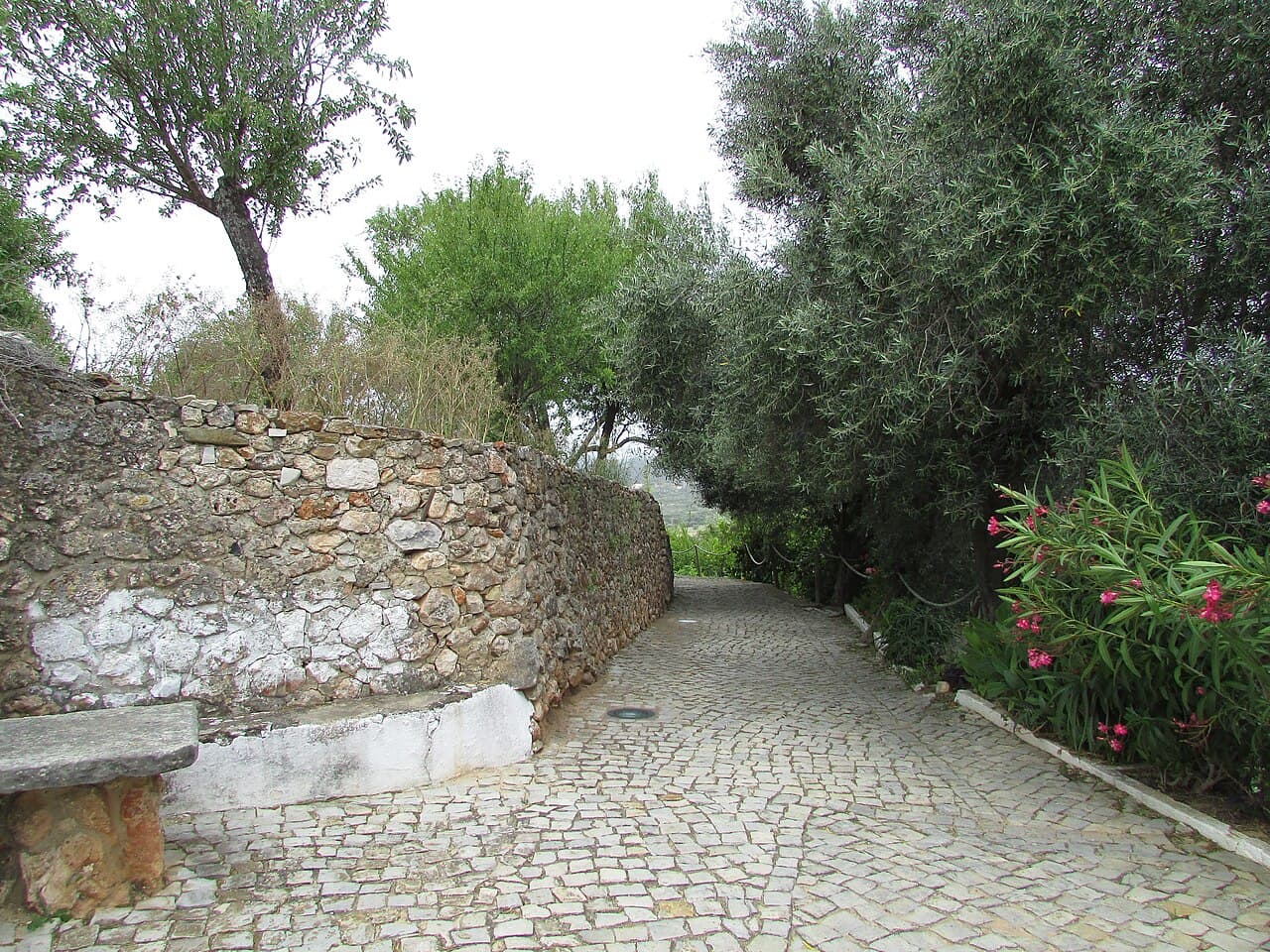
The rammed earth remains of a 12th century Almohad castle, with village houses built right into its walls. Salir's castle never got the picture book restoration, and that is its charm. Chunks of taipa, the rammed earth the Almohads built with, stand between cottages and vegetable gardens at the top of the village, and you wander through what was once the fortified enclosure on ordinary lanes. A small interpretation centre explains the Islamic settlement that stood here, and the terrace at the top looks across the Barrocal towards the Rocha da Pena. Come in late afternoon when the low sun warms the earth walls, combine it with the Rocha trail or lunch in the village, and expect to have the place largely to yourself.
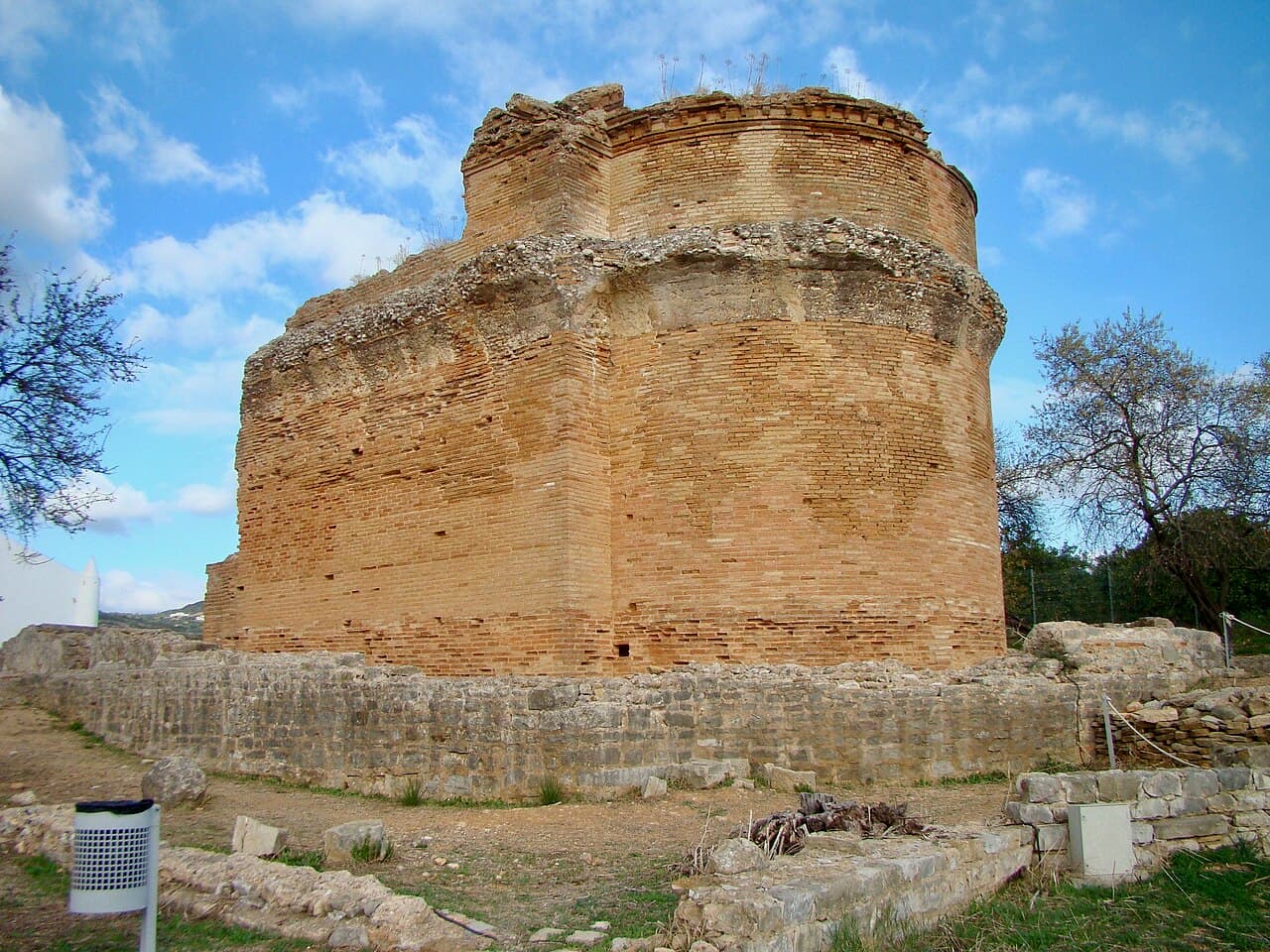
The ruins of a grand Roman villa at Estói, complete with fish mosaics and a temple that later became a church. Milreu was a luxury estate from the first to the fourth century, and what survives is remarkably legible: bathhouse walls with dolphin and fish mosaics, olive presses, and the tall podium temple that early Christians later converted, one of the few of its kind in Portugal. Interpretive panels are decent and the site rarely draws more than a handful of visitors at a time, so you can take it slowly under the trees while the rural setting drives home how comfortable Roman country life was. Pair it with the palace gardens up the road in Estói; the walk between the two takes about ten minutes.
The town circle
Ask the locals, share what’s on and keep up with life in Loulé.
Ask it here. People who live in the Algarve answer, and no question is too small.
A 35 minute children's theatre piece by Cláudia Gaiolas about the painter Frida Kahlo, performed outdoors in the Parque do Anel Verde at 10:00 and 11:30. It is part of the Encontros Gymnasium, a perfo
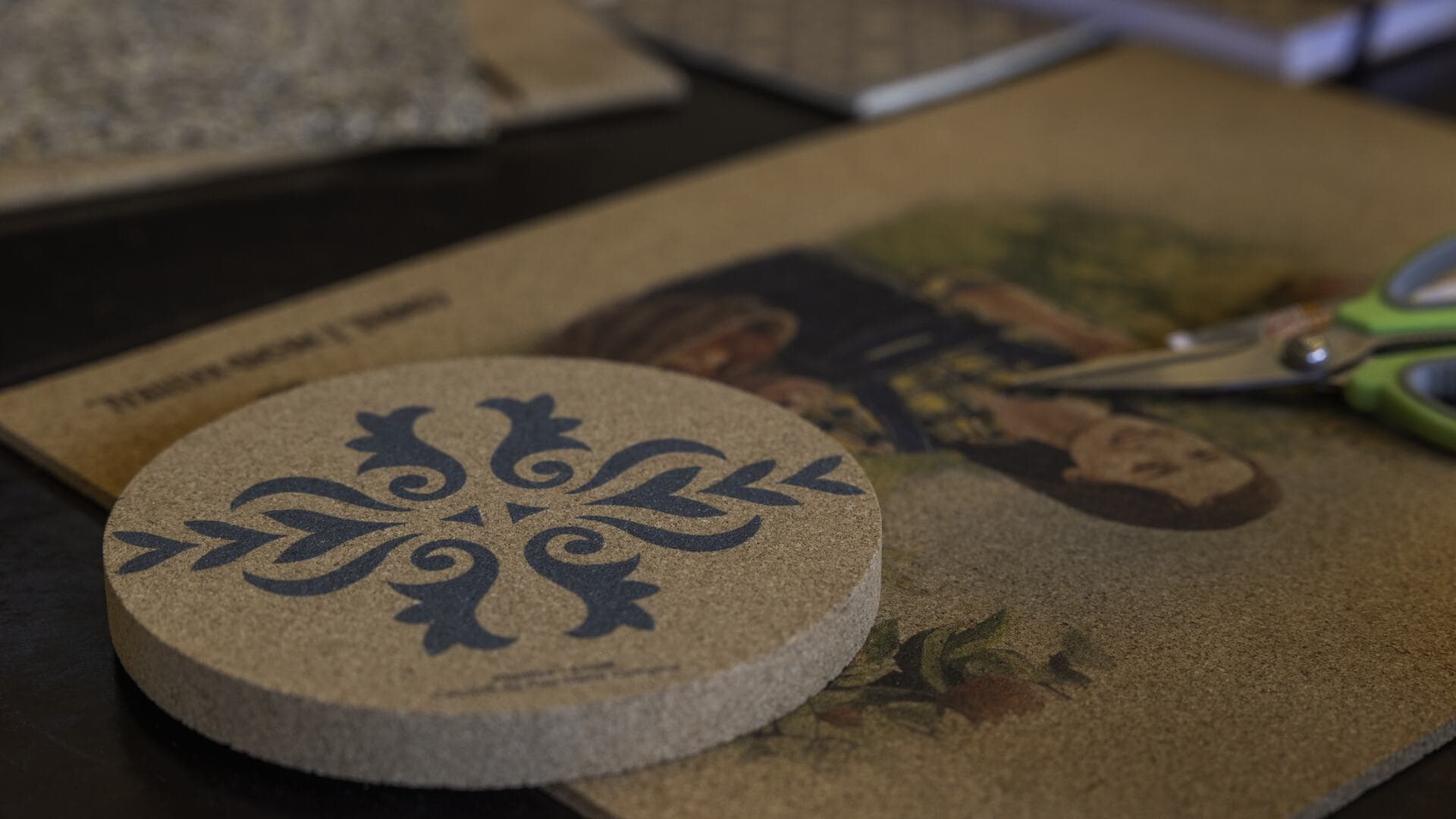
Work Portuguese cork into decor and jewellery with designer Sandra Louro, Thursdays.
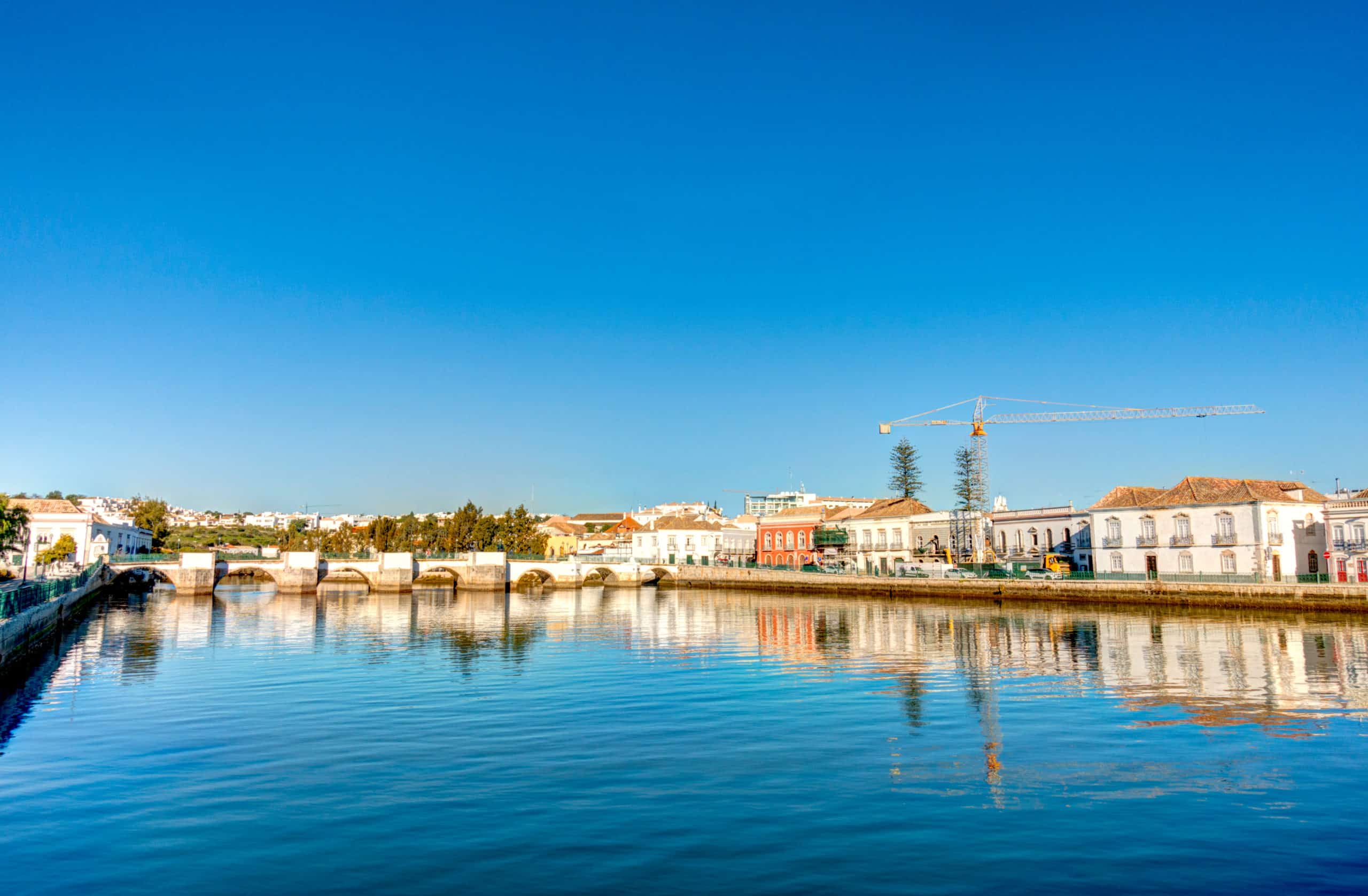
The first edition of INCULTA, a literature, art and performance programme around Fernando Pessoa's heteronym Álvaro de Campos, runs in Tavira from 15 to 17 October. A student exhibition opens on 15 Oc
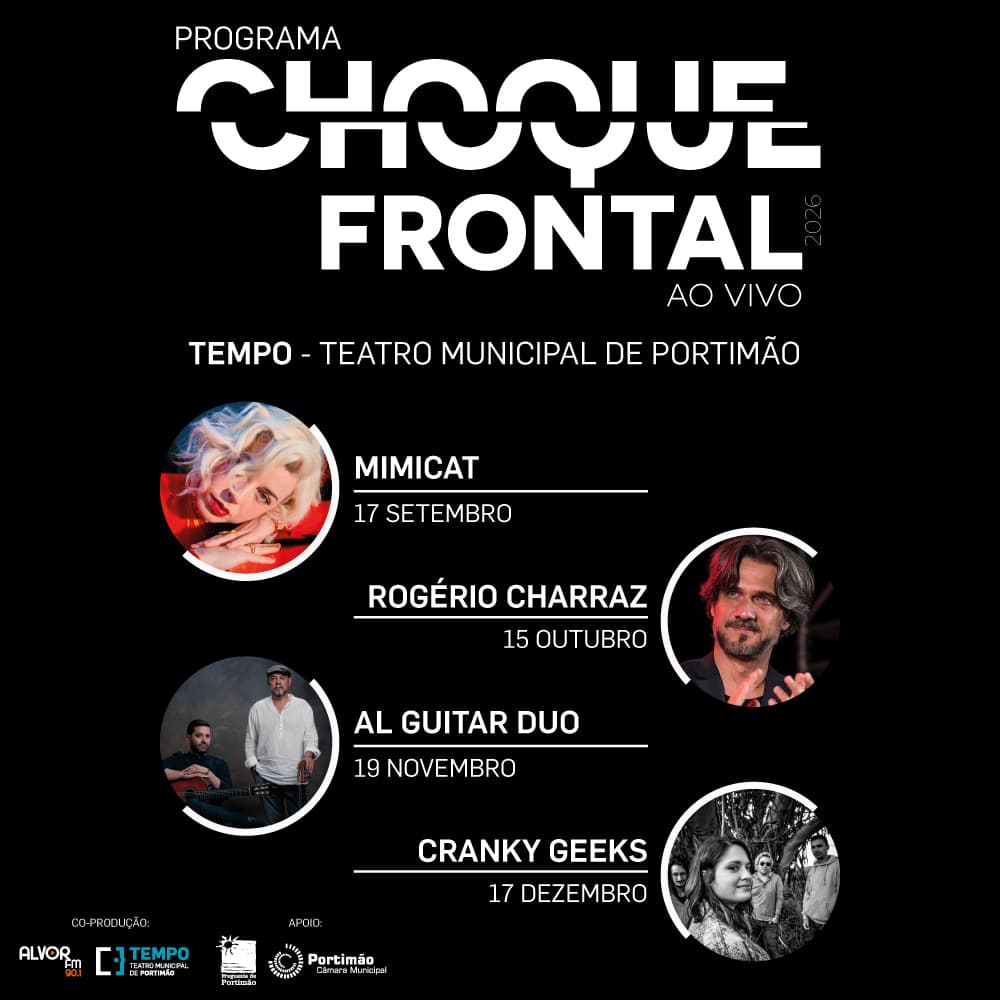
Singer-songwriter Rogério Charraz plays a live session recorded for Rádio Alvor FM at TEMPO Portimão on 15 October 2026 at 21:00. Free, but a ticket is needed; about 125 places, released at the box of