
Save
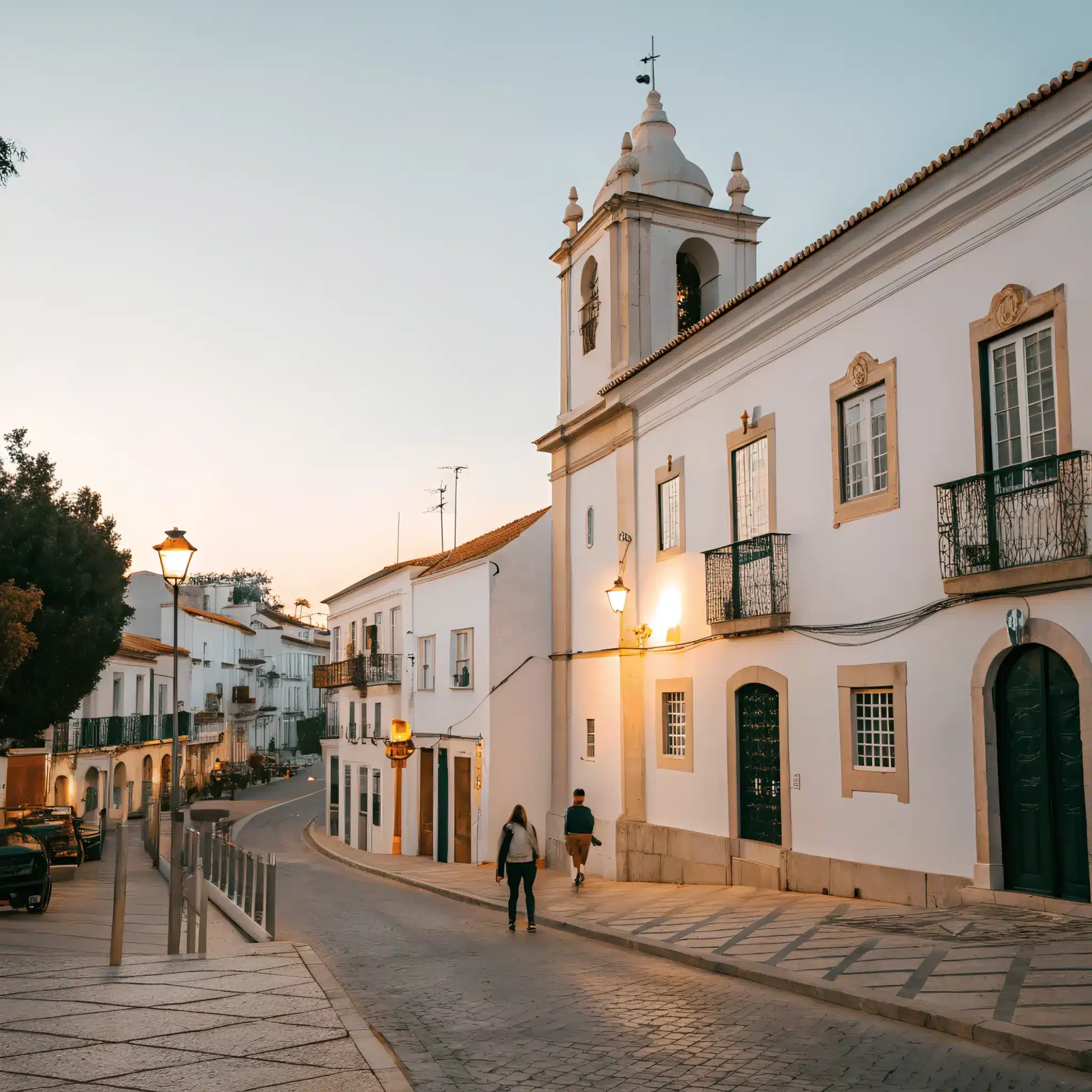
Gypsy market in Loulé.
Do you organise this event?
Organisers and venues can claim Loulé Saturday Gypsy Market free of charge to manage the listing, add photos and tickets, and host it under their business.
Planning to attend? No claim needed. Just mark yourself as going.
Loulé's big weekly open-air gypsy market — clothes, leather, shoes, household goods and fresh produce, every Saturday morning beside the town.
Be the first to comment.
Type a question and get a straight answer from the pages here.
A few minutes from the venue, and taking bookings or requests.
50 m from the venue


50 m from the venue
50 m from the venue
50 m from the venue
50 m from the venue
100 m from the venue
One email a week with the best events across the Algarve. Free.
Spots found by members, the town’s own circle, and people who answer whatever you want to ask.
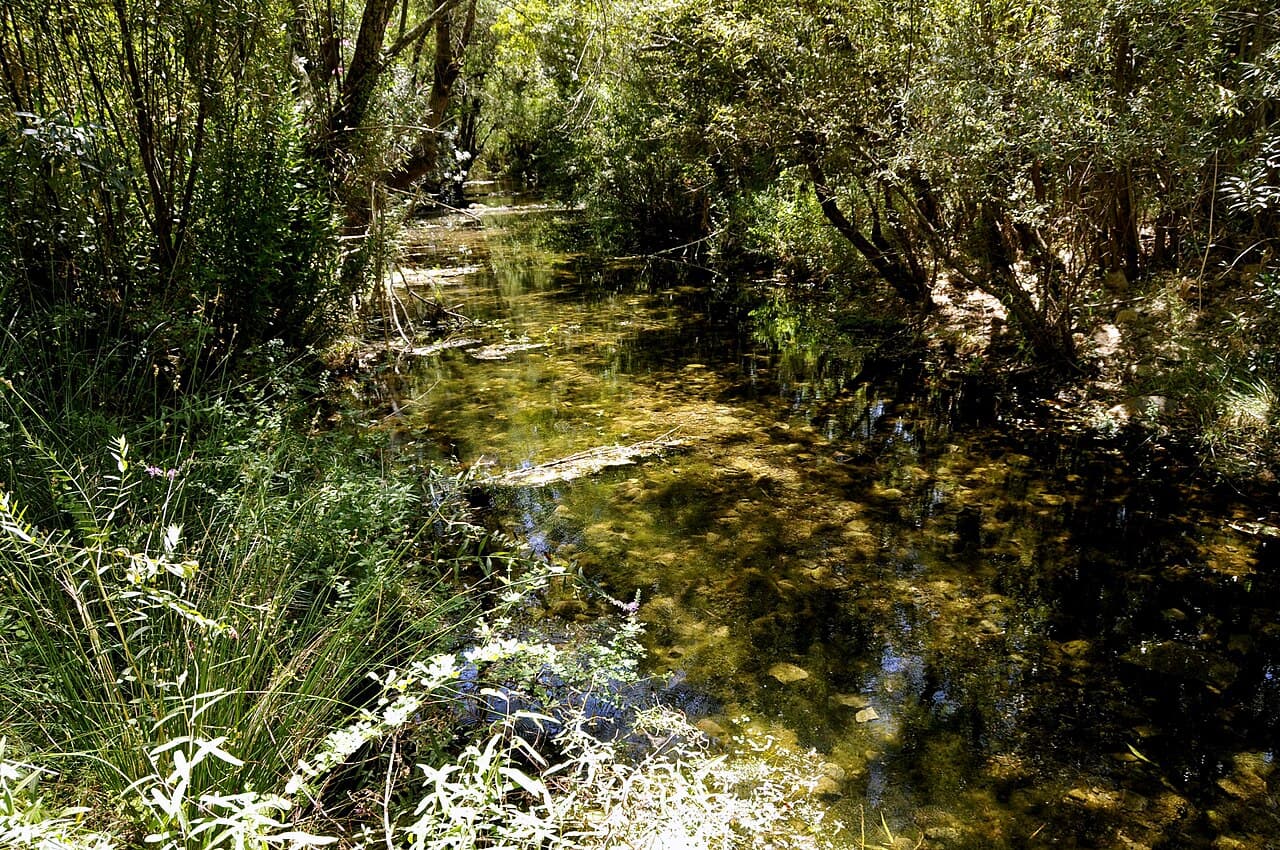
A year round stream in the dry Barrocal hills, ringed by a gentle signposted loop walk near Querença. Water is the rarest thing in the Algarve interior, and Fonte Benémola has it all year, welling up through limestone and sliding between willows, poplars and reed beds. The protected valley holds a circular trail of roughly four and a half kilometres, flat enough for children and shaded for much of the way. Terrapins bask on the stones, dragonflies work the pools, and spring turns the banks into a wildflower show. We rate it as the easiest proper nature walk in the central Algarve. Start from the small car park on the Querença side and walk the loop anticlockwise to keep the stream beside you early on.
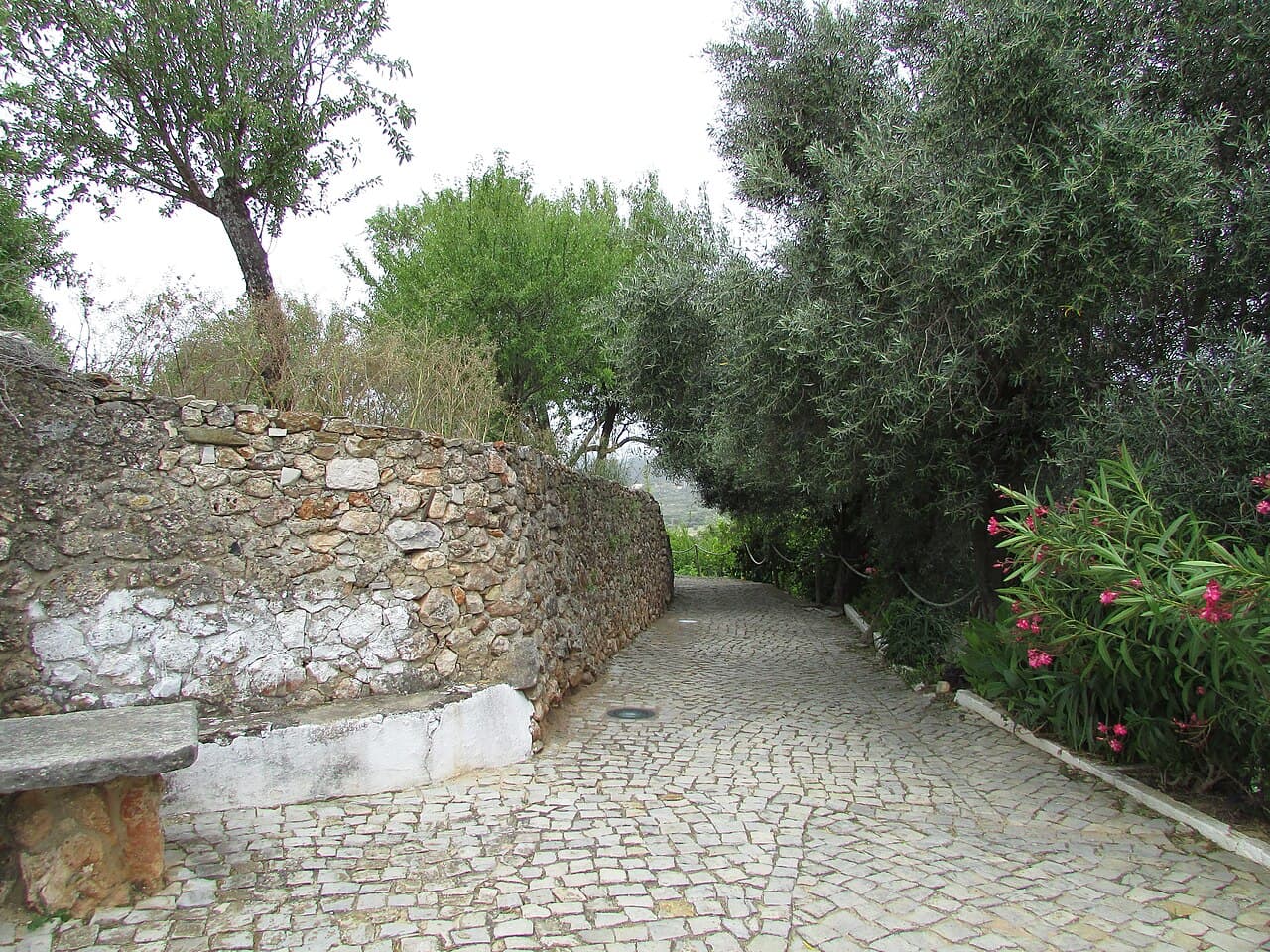
The rammed earth remains of a 12th century Almohad castle, with village houses built right into its walls. Salir's castle never got the picture book restoration, and that is its charm. Chunks of taipa, the rammed earth the Almohads built with, stand between cottages and vegetable gardens at the top of the village, and you wander through what was once the fortified enclosure on ordinary lanes. A small interpretation centre explains the Islamic settlement that stood here, and the terrace at the top looks across the Barrocal towards the Rocha da Pena. Come in late afternoon when the low sun warms the earth walls, combine it with the Rocha trail or lunch in the village, and expect to have the place largely to yourself.
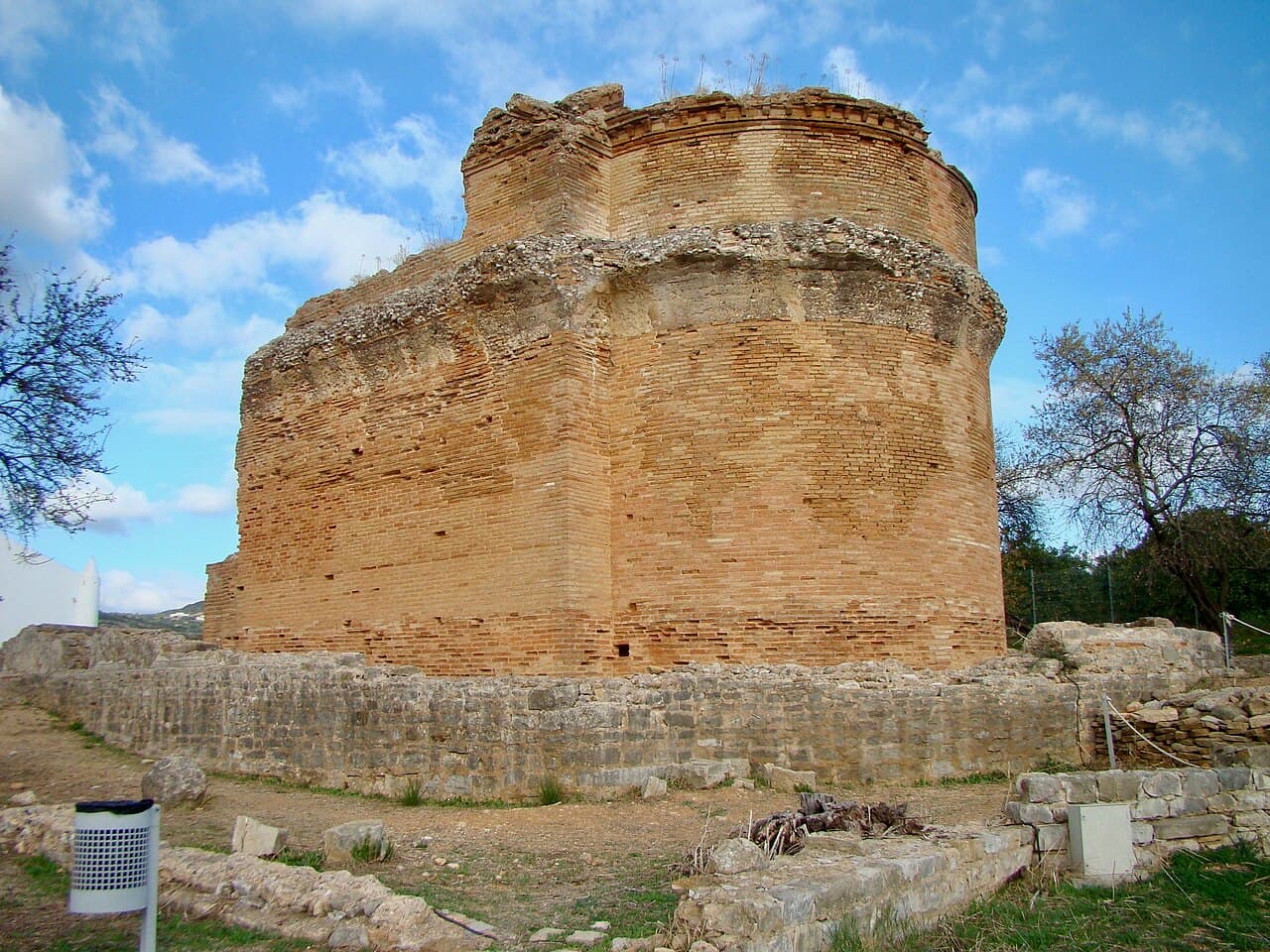
The ruins of a grand Roman villa at Estói, complete with fish mosaics and a temple that later became a church. Milreu was a luxury estate from the first to the fourth century, and what survives is remarkably legible: bathhouse walls with dolphin and fish mosaics, olive presses, and the tall podium temple that early Christians later converted, one of the few of its kind in Portugal. Interpretive panels are decent and the site rarely draws more than a handful of visitors at a time, so you can take it slowly under the trees while the rural setting drives home how comfortable Roman country life was. Pair it with the palace gardens up the road in Estói; the walk between the two takes about ten minutes.
The town circle
Ask the locals, share what’s on and keep up with life in Loulé.

Ask it here. People who live in the Algarve answer, and no question is too small.
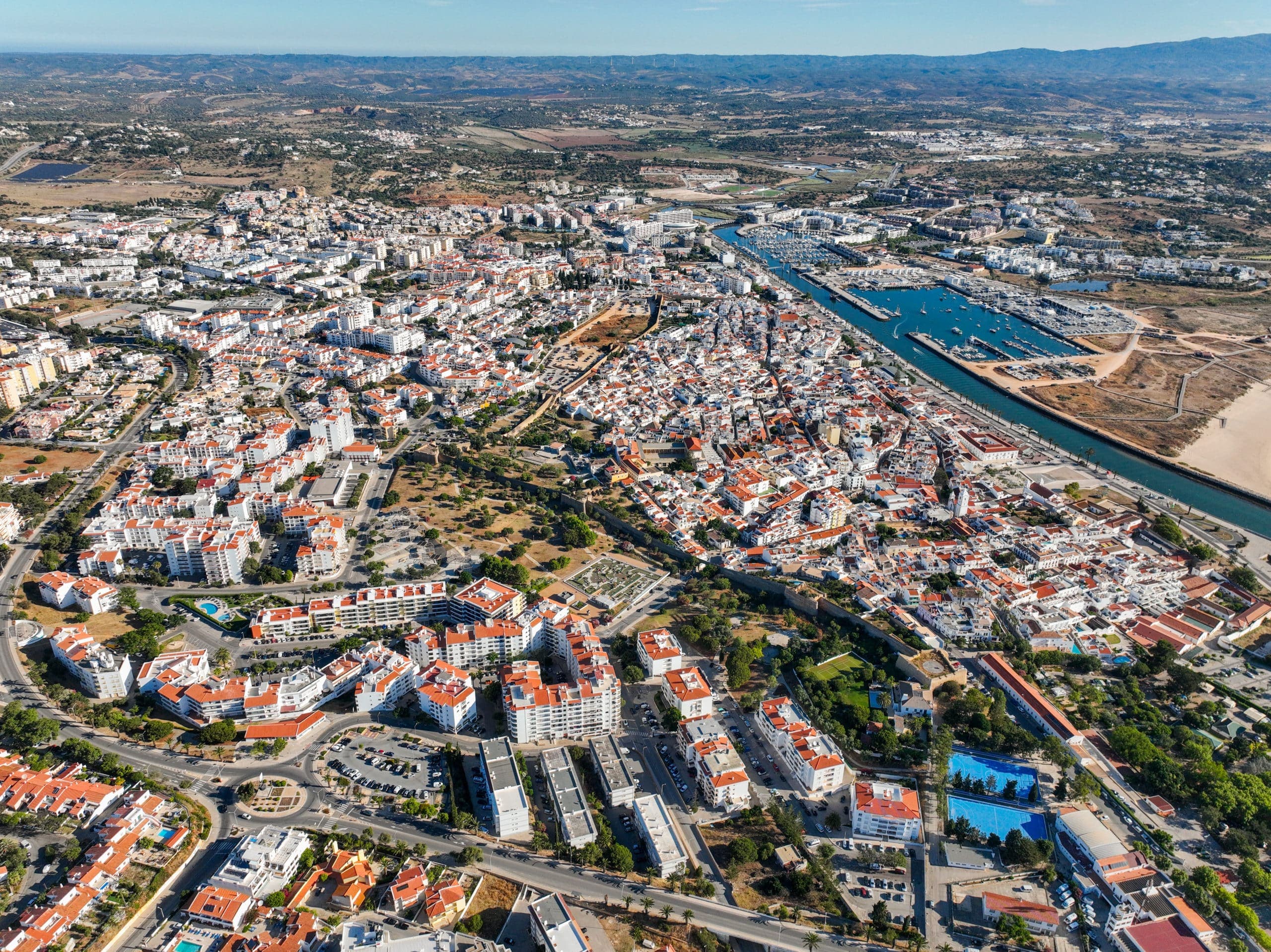
40 minute dance show by Lilli Schulz at the Teatro Experimental de Lagos, on 27 November at 19:00 and 28 November at 20:00. A poetic work on female power and the archetype of the witch. Rated M16.
Organ concert of the Algarve International Organ Festival 2026 at Igreja de Santa Maria in Lagos, organised by Associação Música XXI with the support of Lagos Town Council. Free entry.
ACTA, the Algarve theatre company, performs Oleanna at the Cineteatro Jaime Pinto in Sao Bras de Alportel, on the Algarve leg of a tour that also visits Maia and Braga.
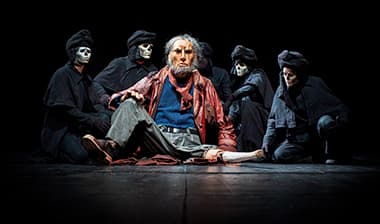
Yngvild Aspeli's acclaimed visual theatre adaptation of Melville's novel, with seven actors, fifty puppets, video projection and a life size whale, at the Teatro das Figuras in Faro as part of Festiva