
Surfing in the Algarve.
Two coasts, two very different surfs: the wild Atlantic power of the west, and the gentle, learner-friendly south. Here are the beaches that actually break, with live wave height, from people who paddle out here.
West coast or south
Where you go depends on the day, and your level. Here is the difference.
The west coast
Sagres up through Aljezur: raw Atlantic swell, consistent and powerful, on the protected Costa Vicentina. The Algarve’s real surf coast, with breaks for every level and a wilder feel. Windier, cooler water, big rewards.
The south coast
From Lagos eastward: gentler, more sheltered, warmer water and smaller, friendlier waves. The best place to learn, and a fallback when the west is blown out. Schools cluster around Lagos and Carrapateira.
Coves and viewpoints
Quiet spots near the surf, shared by people who live here.
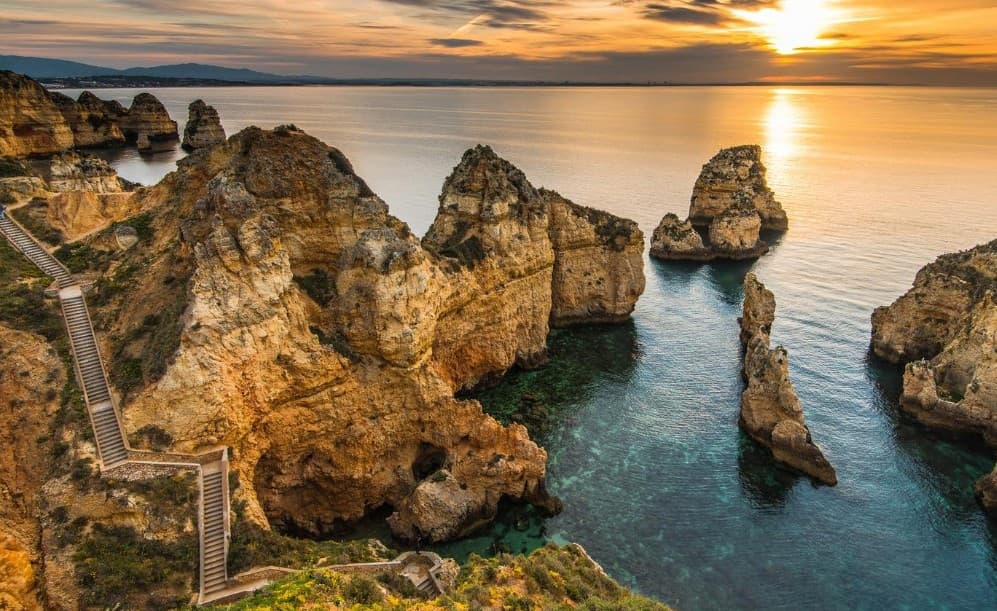
Ponta da Piedade
“Ponta da Piedade is one of my favourite places around Lagos — breathtaking views, beautiful turquoise waters and amazing rock formations. I never get tired of seeing it! 🌊❤️”
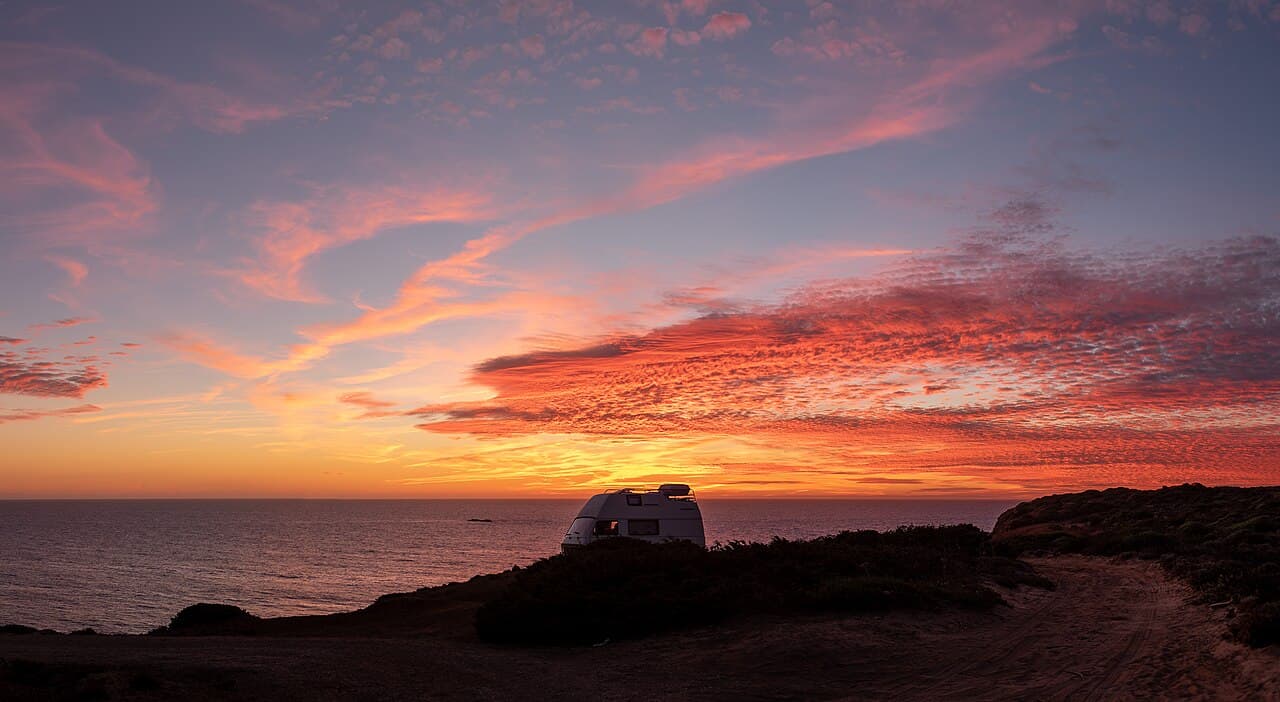
Carrapateira Sunset Headland
The wild headland loop between Bordeira and Amado beaches, the west coast's best short sunset walk or drive. The Pontal da Carrapateira is a tongue of cliff and dune jutting into the Atlantic, circled by a dirt road with wooden viewpoint platforms hanging over black rock and white surf. Fishermen's paths thread the edges, Bordeira's vast sands open to the north and Amado's surf bowls to the south, and at dusk a quiet mix of villagers and campervanners gathers to watch the sun go into the sea. Walk the loop in about an hour or drive it in ten minutes, but walking wins. Start from Carrapateira village and go clockwise so the ocean stays on your right, and keep children back from the platform edges.
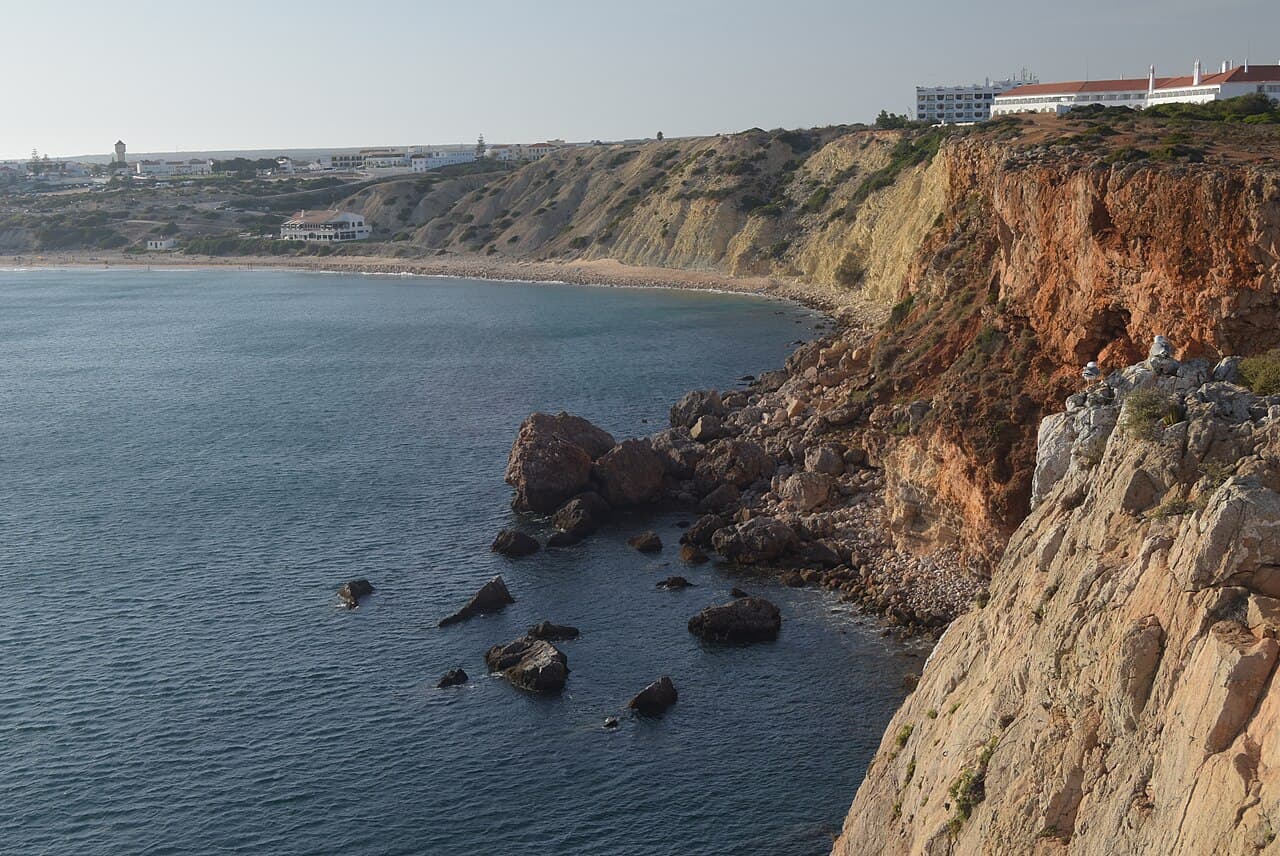
Ponta da Atalaia Fisherman's Cliffs
The clifftop headland on the edge of Sagres town where local anglers cast into the Atlantic and the crowds never quite arrive. Between Praia da Mareta and the fishing harbour, Ponta da Atalaia is where Sagres actually meets the sea: bare limestone shelves, low salt-pruned scrub and men with enormous rods standing improbable watch above the swell. The views run west to the fortress promontory and on towards Cabo de São Vicente, and in October the headland is a front row seat for migrating seabirds. Sunset here is calmer and less staged than at the cape itself. Walk out from the harbour road or from Mareta in about ten minutes; stay well back from the undercut edges, as the wind gusts hard and the cliffs are unfenced.
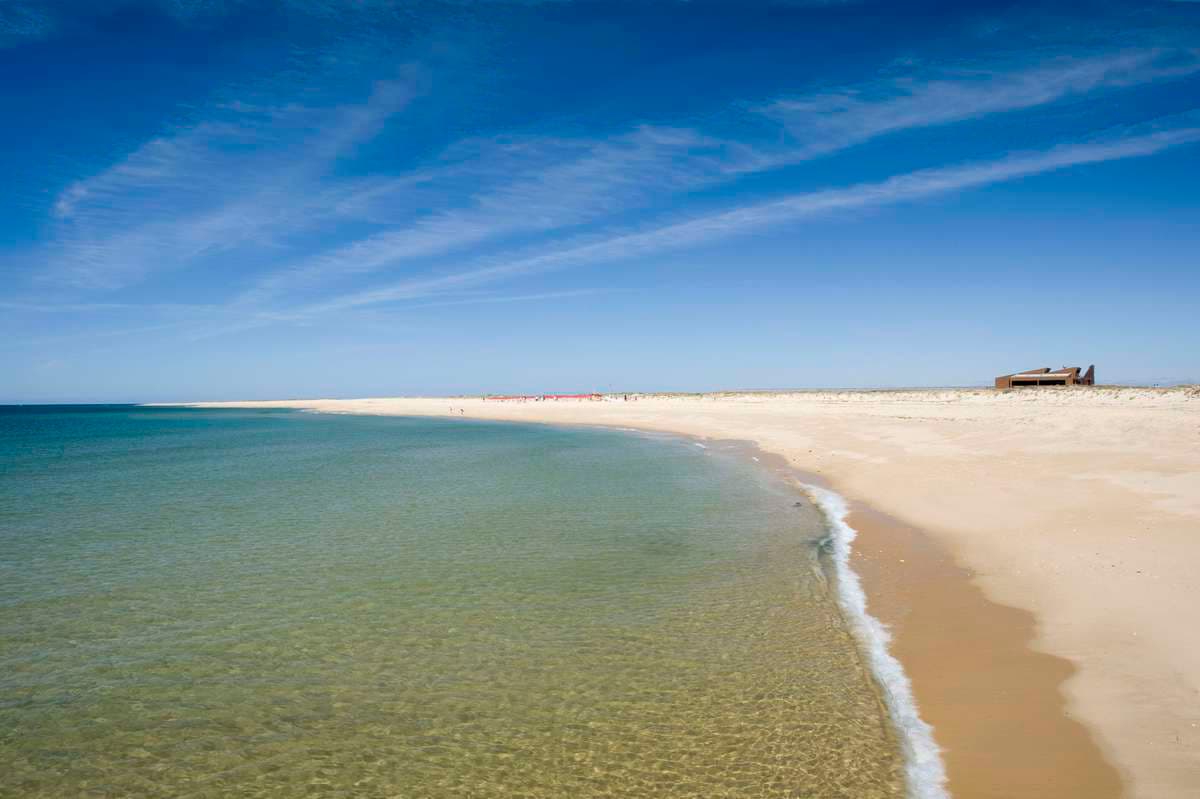
Ilha Deserta's Empty Far End
The southernmost tip of mainland Portugal: an uninhabited barrier island of white sand and shell banks, a short boat ride from Faro. Ilha Deserta, officially Ilha da Barreta, has no town, no cars and a single restaurant by the jetty. Most visitors settle within sight of it, which is why we send people the other way: follow the boardwalk or the tideline south-west towards Cabo de Santa Maria and within fifteen minutes you have kilometres of beach to yourself, with shell drifts underfoot and the whole Ria Formosa at your back. Boats run from Faro's old town pier year round, more often in summer. There is no shade beyond the restaurant, so take an umbrella, water and a hat, and note the time of the last boat back.
When and where to surf the Algarve
The west coast picks up far more swell than the south and works much of the year, with the biggest, cleanest waves through autumn and winter. It is exposed, though, so wind matters: an offshore easterly grooms it, an onshore westerly flattens it. The south coast is the opposite, small and sheltered, which makes it the place to learn and the place to go when the west is too big or too windy.
Summer is gentle and warm, ideal for beginners and a wetsuit-optional dip; the rest of the year you will want a 3/2 or thicker. Whatever the forecast, Algarve Circle shows the live wave height on every beach, so you can read the day before you load the boards, and find the surf schools, rentals and cafés around each break from the people who live there.
Track the breaks you love.
Create a free account to save your surf beaches, follow the spots and check live conditions before you paddle out, all from the people who surf here.