
Save
Annual Santo Estêvão Open-Air Fair at Tavira. Organised by Santo Estêvão Civil Parish Council. Listed in the official Visit Algarve events guide.
Do you organise this event?
Organisers and venues can claim Annual Santo Estêvão Open-Air Fair free of charge to manage the listing, add photos and tickets, and host it under their business.
Planning to attend? No claim needed. Just mark yourself as going.
Annual Santo Estêvão Open-Air Fair at Tavira. Organised by Santo Estêvão Civil Parish Council. Listed in the official Visit Algarve events guide.
Event listing via Visit Algarve
Be the first to comment.
Type a question and get a straight answer from the pages here.
A few minutes from the venue, and taking bookings or requests.
1.4 km from the venue
One email a week with the best events across the Algarve. Free.
Spots found by members, the town’s own circle, and people who answer whatever you want to ask.
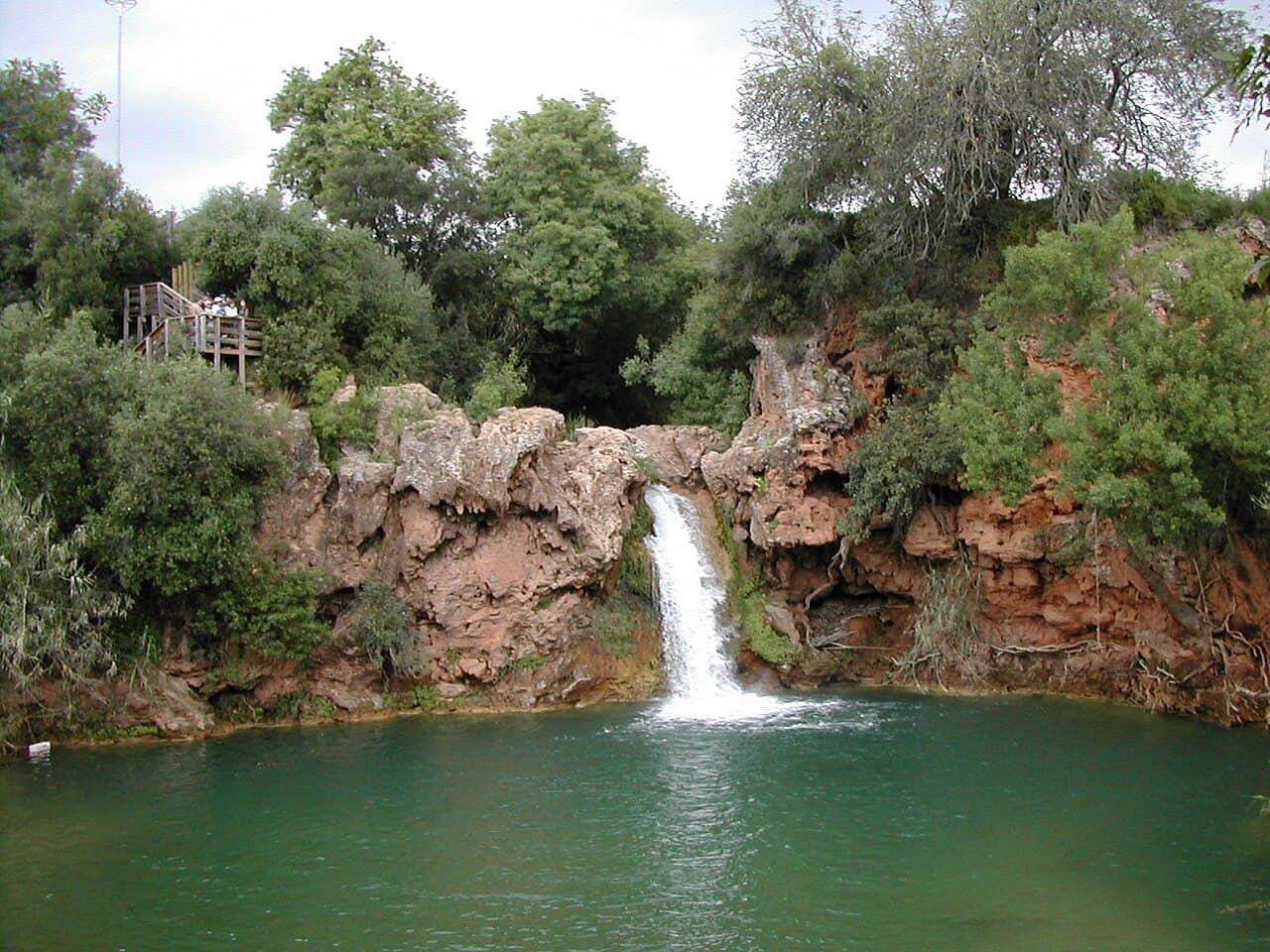
A small waterfall and deep green lagoon hidden in the Asseca valley, a ten minute drive inland from Tavira. Fed by the Ribeira da Asseca, the falls drop over an ochre limestone ledge into a pool that local legend swears is bottomless. Generations of Tavira families learned to swim here, and on summer evenings you will still find people picnicking on the rocks while teenagers dare each other off the lower ledges. Wildfires and storms have battered the old walkways over the years, so the setting is rougher than the postcard suggests, which is exactly why it stays quiet. Park by the lane above Santo Estêvão and walk the last stretch down; go on a weekday morning for the clearest water, and carry your rubbish out.
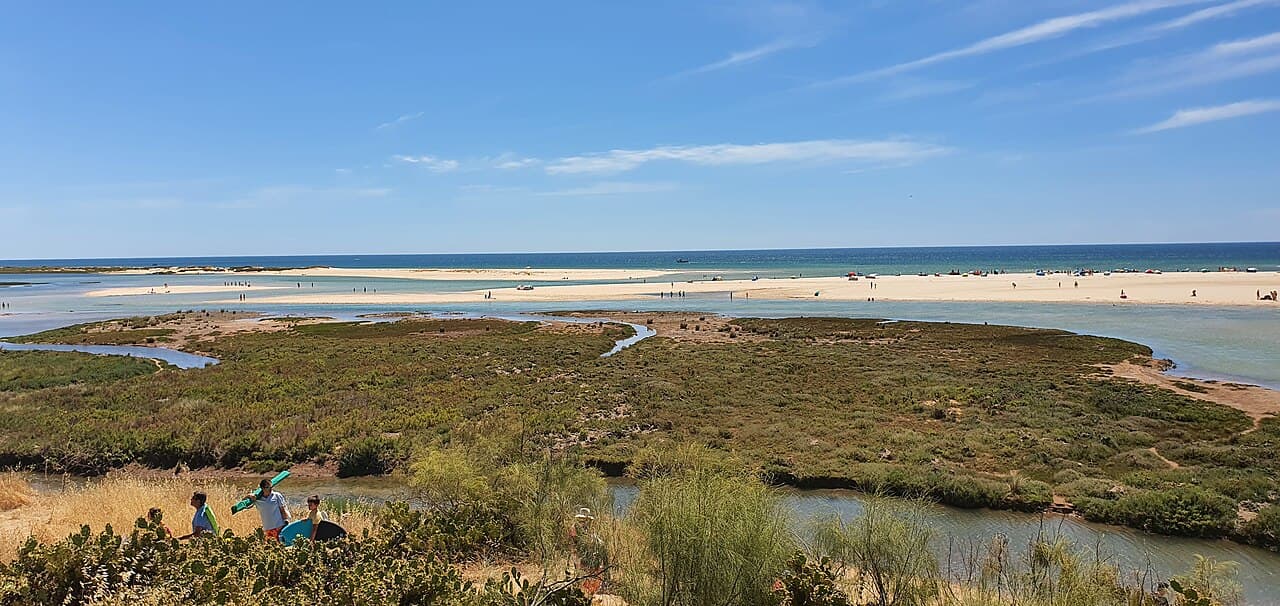
A tiny whitewashed hamlet above a lagoon where, at low tide, locals wade across to an empty white sandbar. Cacela Velha is barely a dozen houses, a church and an old fort on a bluff at the eastern end of the Ria Formosa. The magic is below: when the tide drops, the lagoon empties to warm shallows and you can walk out to a long ribbon of white sand with clear Atlantic water on the far side. Oysters are farmed in the channels, and the view from the churchyard wall is one of the finest in the east Algarve. Park at Fábrica or above the hamlet, check the tide table before you go, and carry everything you need, as the sandbar has no shade or facilities.
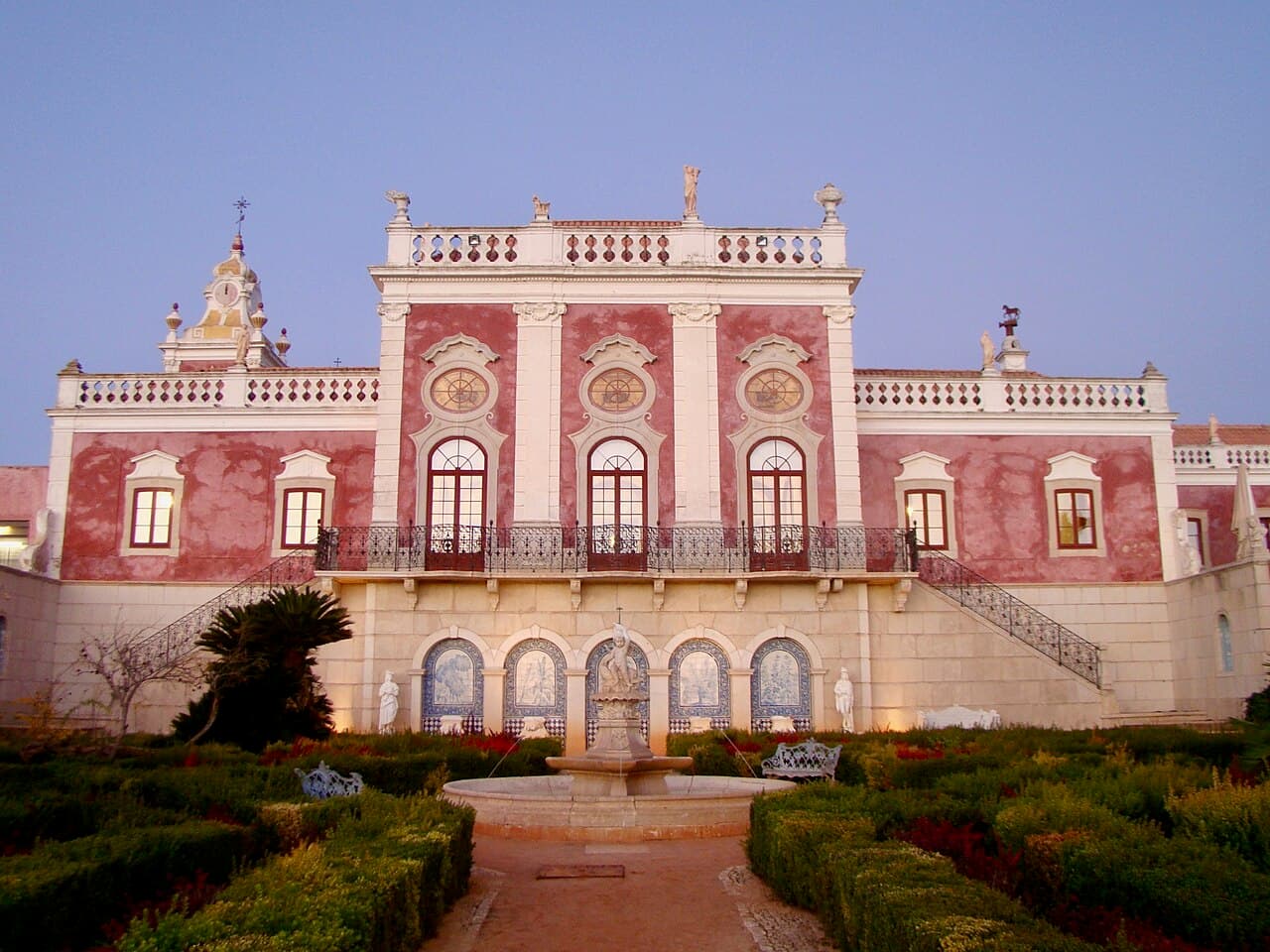
A pink Rococo revival palace above Faro whose terraced gardens, azulejos and orange trees feel made for slow afternoons. The Palácio de Estói was a nineteenth century nobleman's fantasy and is now a pousada, but the gardens remain open to visitors and are the real prize: balustraded terraces, blue and white azulejo panels, statues, palms and a fountain stair that catches the light at dusk. It sits just off Estói's village square, so you can pair it with coffee at a local café or with the Roman ruins at Milreu, ten minutes away on foot. Weekday mornings outside holiday season are near silent. Enter through the garden gate rather than the hotel reception and take the terraces from the bottom up for the best reveal.
The town circle
Ask the locals, share what’s on and keep up with life in Tavira.
Ask it here. People who live in the Algarve answer, and no question is too small.

Paint your own azulejo using seventeenth-century techniques, every Monday into December.
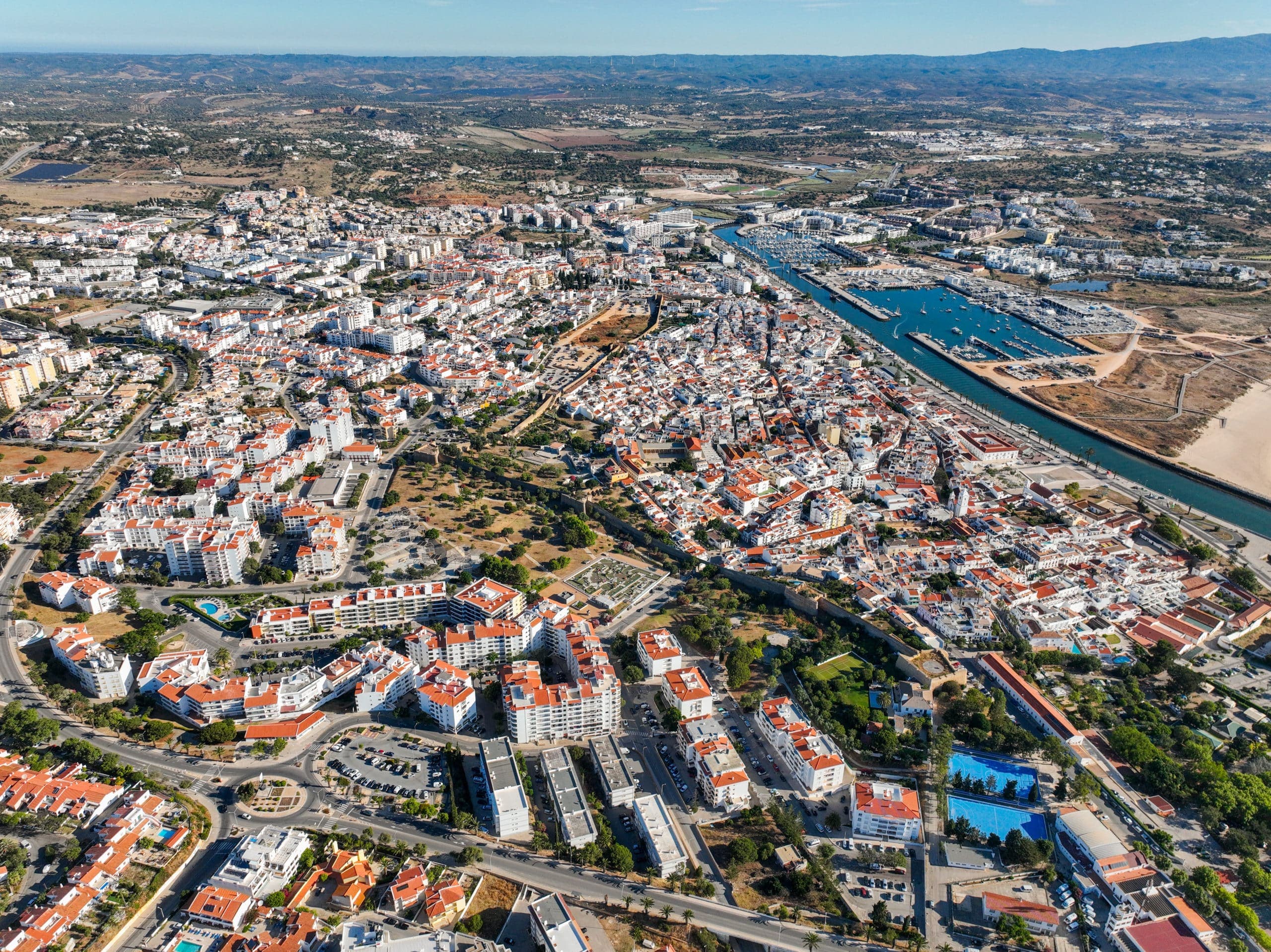
The Orquestra Barroca d'Aquém Mar performs a concert for two sopranos and baroque orchestra with works by Portuguese and Brazilian composers of the eighteenth century. The programme is inspired by the
Lagos marks its Municipal Day on 27 October in honour of its patron São Gonçalo de Lagos, with flag raising, a formal session and cultural activities from 09:00. Free; the full programme was still to
ACTA brings its staging of the Sermon of Saint Anthony to the Fishes to the Cineteatro Antonio Pinheiro in Tavira, in a morning performance.