
Save
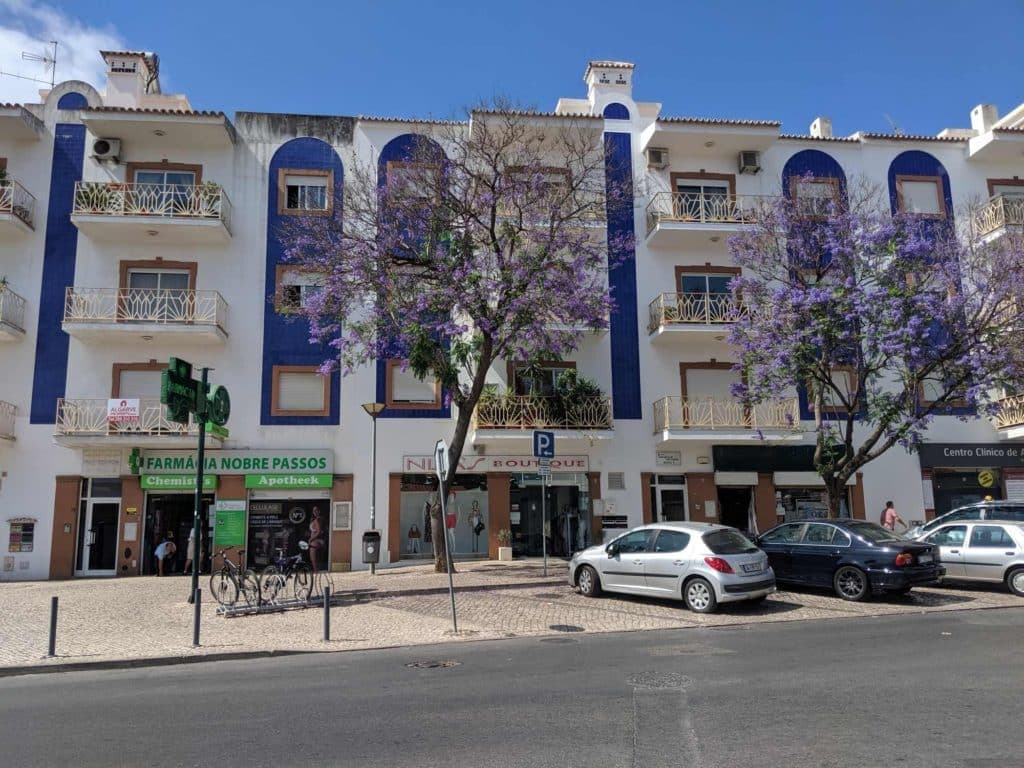
Street market in Almancil.
Do you organise this event?
Organisers and venues can claim Almancil Market free of charge to manage the listing, add photos and tickets, and host it under their business.
Planning to attend? No claim needed. Just mark yourself as going.
Almancil general market on the first and fourth Sunday of the month — clothing, produce and household goods.
Be the first to comment.
Type a question and get a straight answer from the pages here.
A few minutes from the venue, and taking bookings or requests.
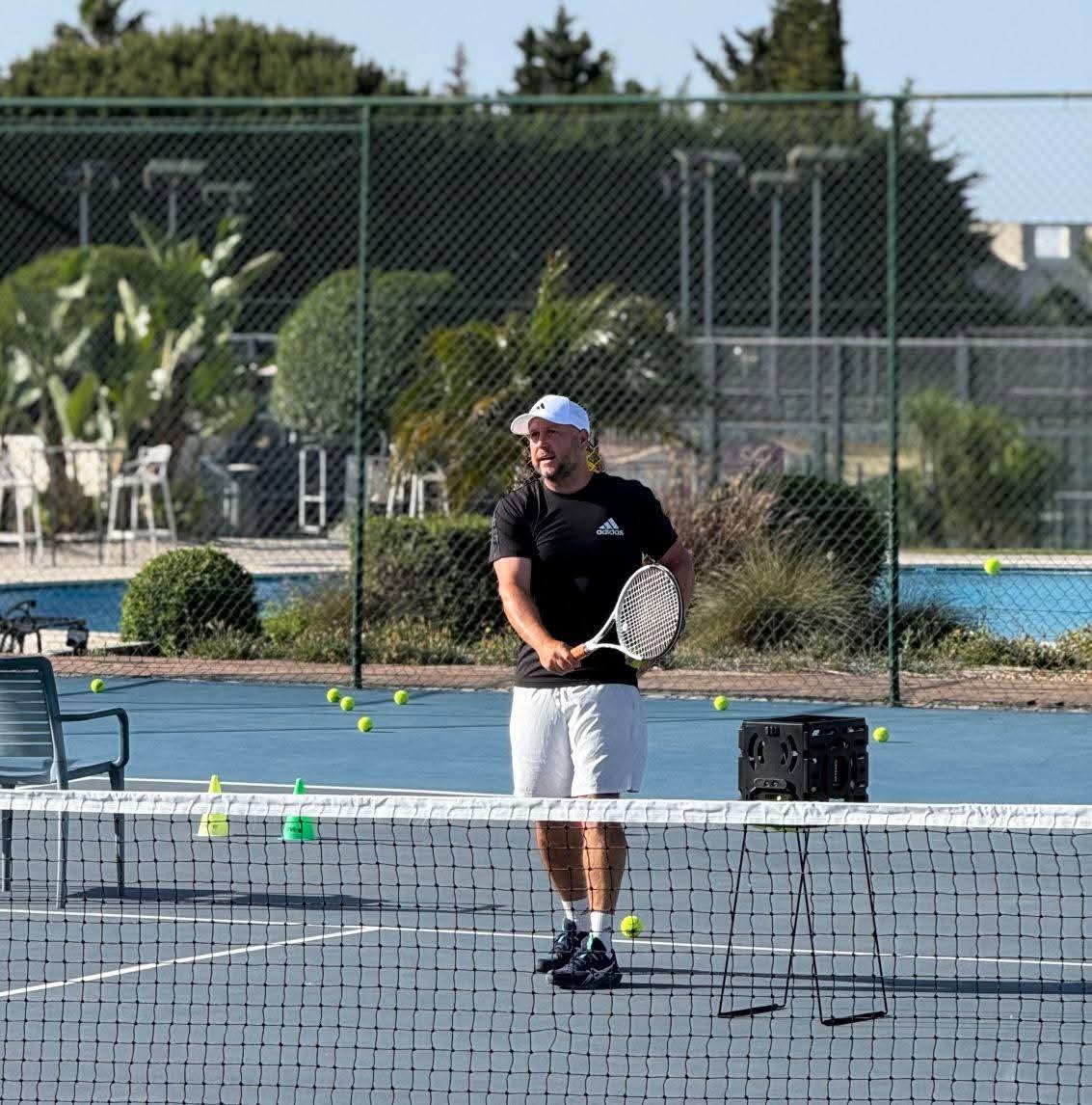
British tennis coach available to your home or various locations
50 m from the venue
Bespoke golf holidays in the Algarve combining courses, accommodation, transfers and concierge support.
50 m from the venue
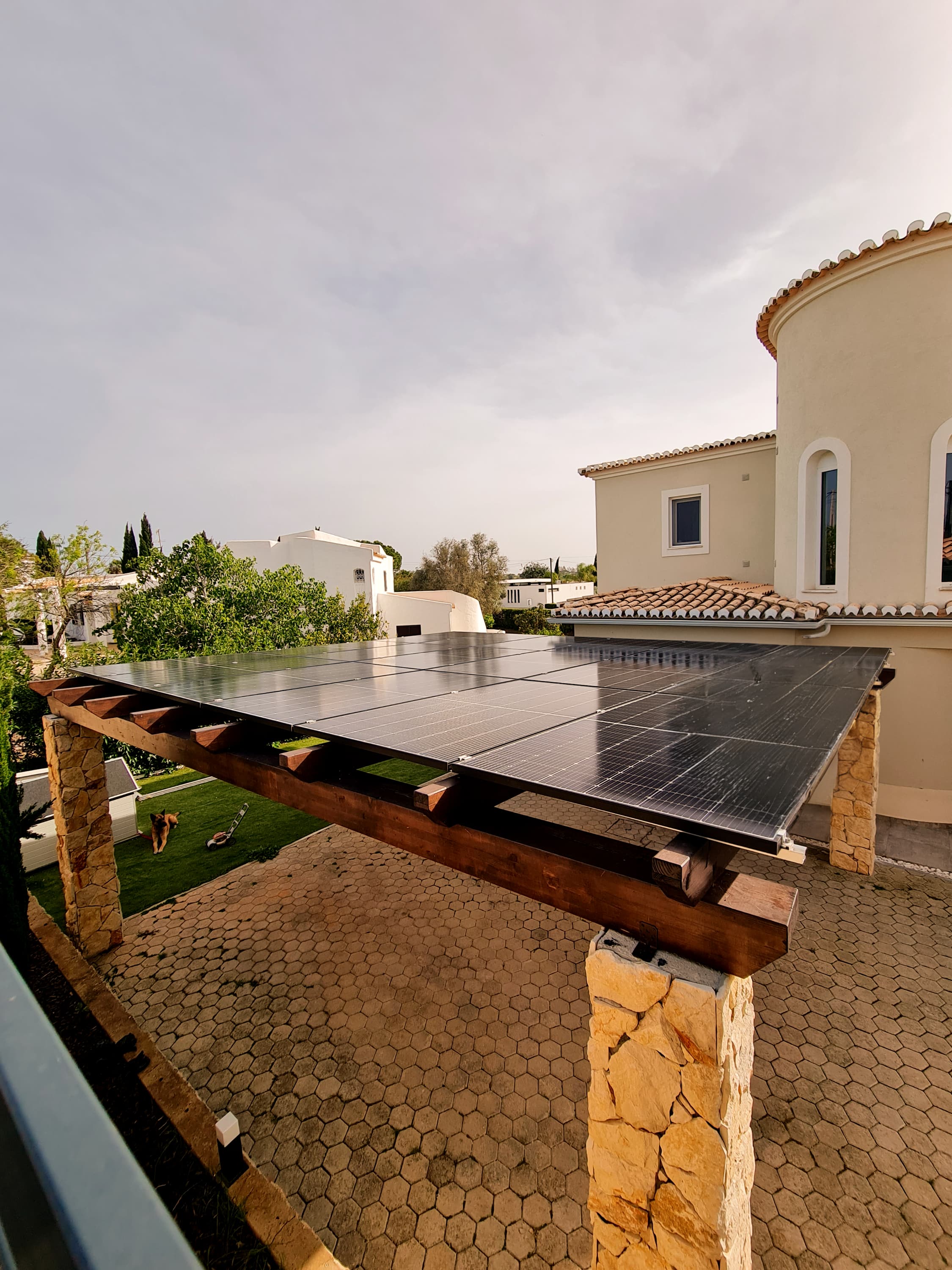

HVAC, renewable energy and electrical installation services in the Algarve.
100 m from the venue
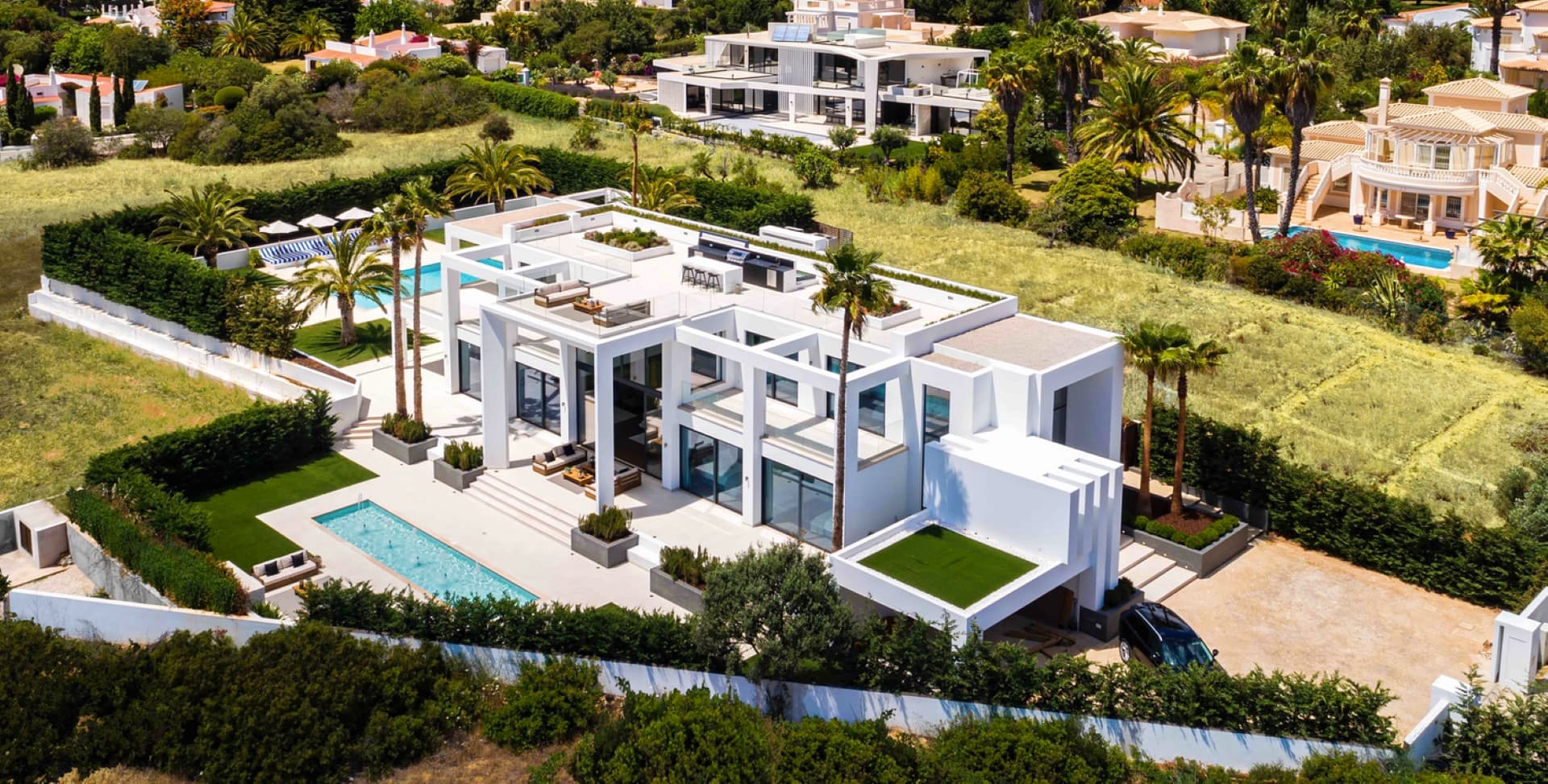

Building construction and renovation specialists in Almancil, founded 2010 by UK industry veterans Tim Parker and Daniel Ryan.
100 m from the venue
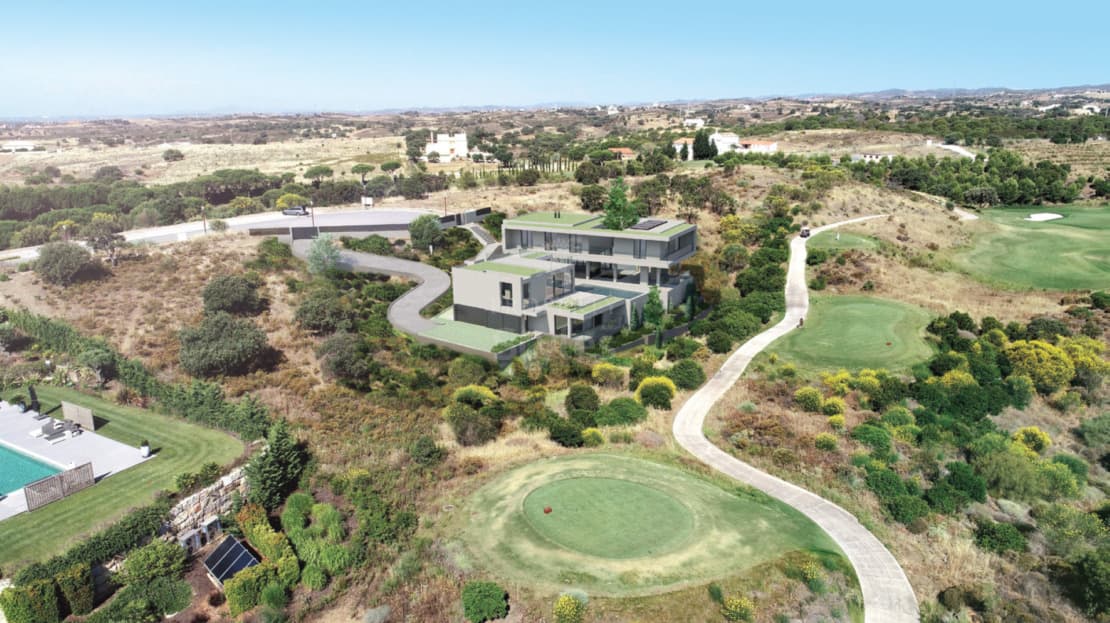
Family-run estate agency in Quinta do Lago and Almancil, specialising in Algarve golf and beach property sales.
100 m from the venue
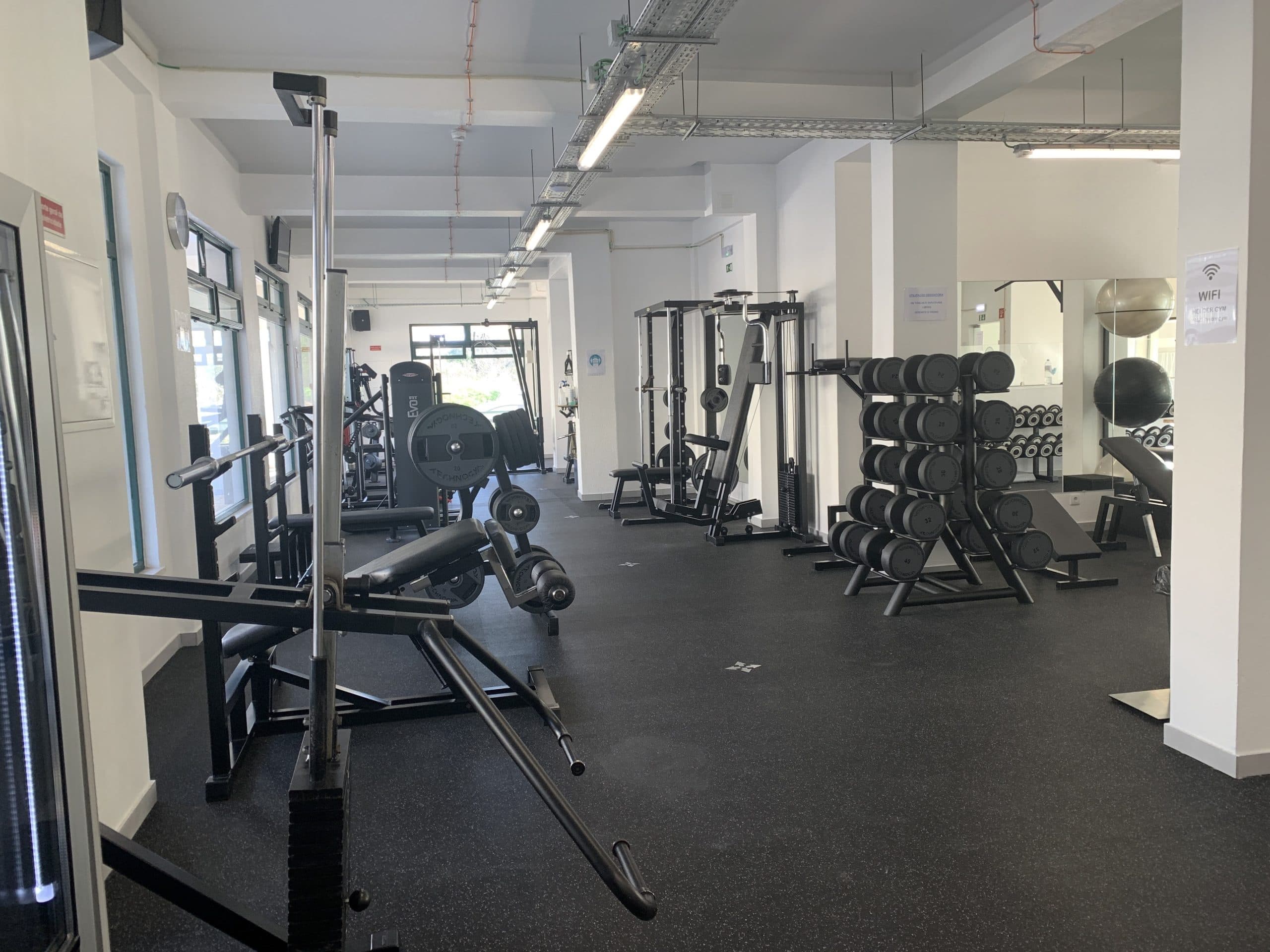

Gym in Almancil with weights, cardio, sauna and personal training, open since 1993.
200 m from the venue
One email a week with the best events across the Algarve. Free.
Spots found by members, the town’s own circle, and people who answer whatever you want to ask.
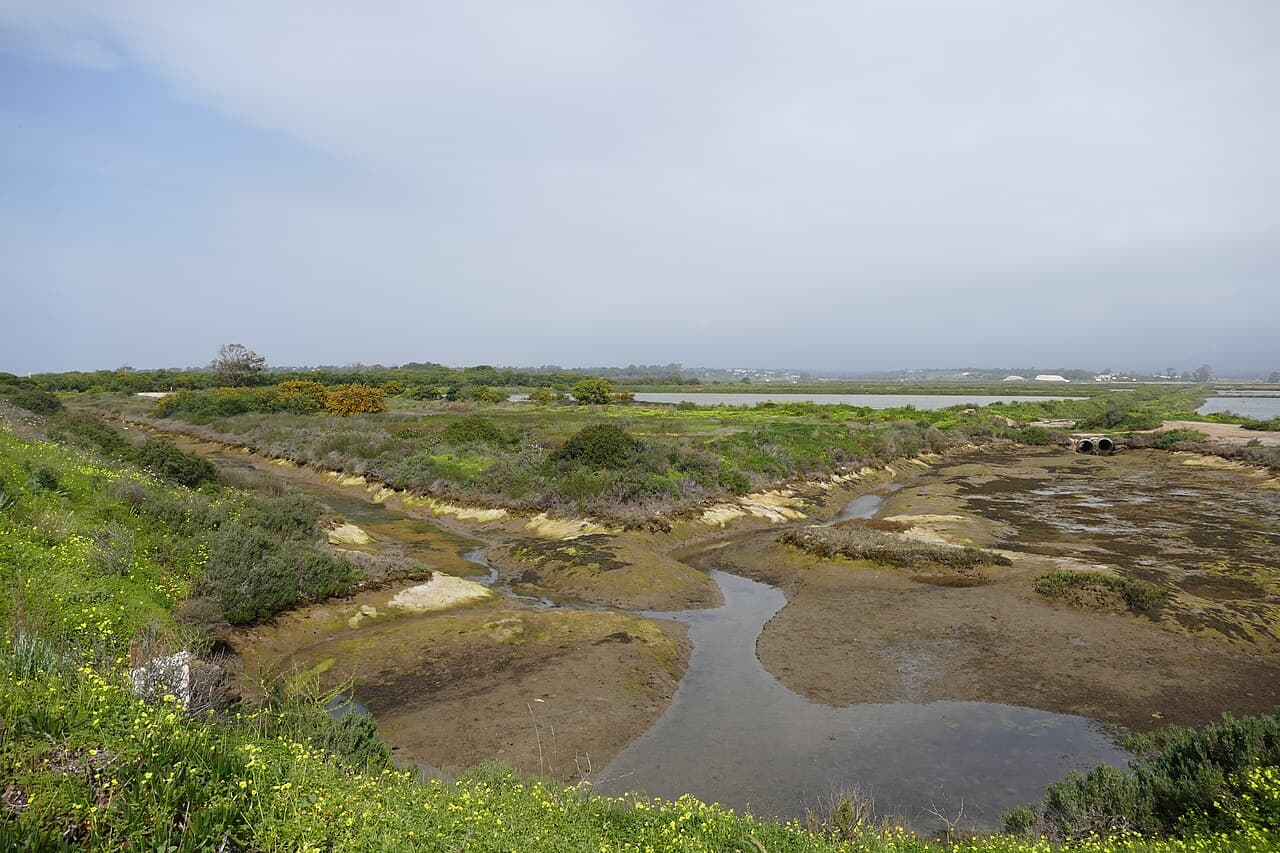
Flat lagoon-side tracks between Faro airport and Quinta do Lago where flamingos feed in old salt pans. The Ludo estate is the Ria Formosa at its most generous: former salinas and freshwater ponds threaded by sandy service tracks that anyone can walk or cycle. Flamingos are the headline act and are present most of the year, joined by spoonbills, black-winged stilts and, in the pines, chameleons you will almost certainly not spot. The route connects to the São Lourenço birdwatching trail, so you can make a morning of it, and the airport runway makes a surreal backdrop for photographs. Start from the dirt road off the Praia de Faro bridge or from the Quinta do Lago side, go early for the light, and bring binoculars.
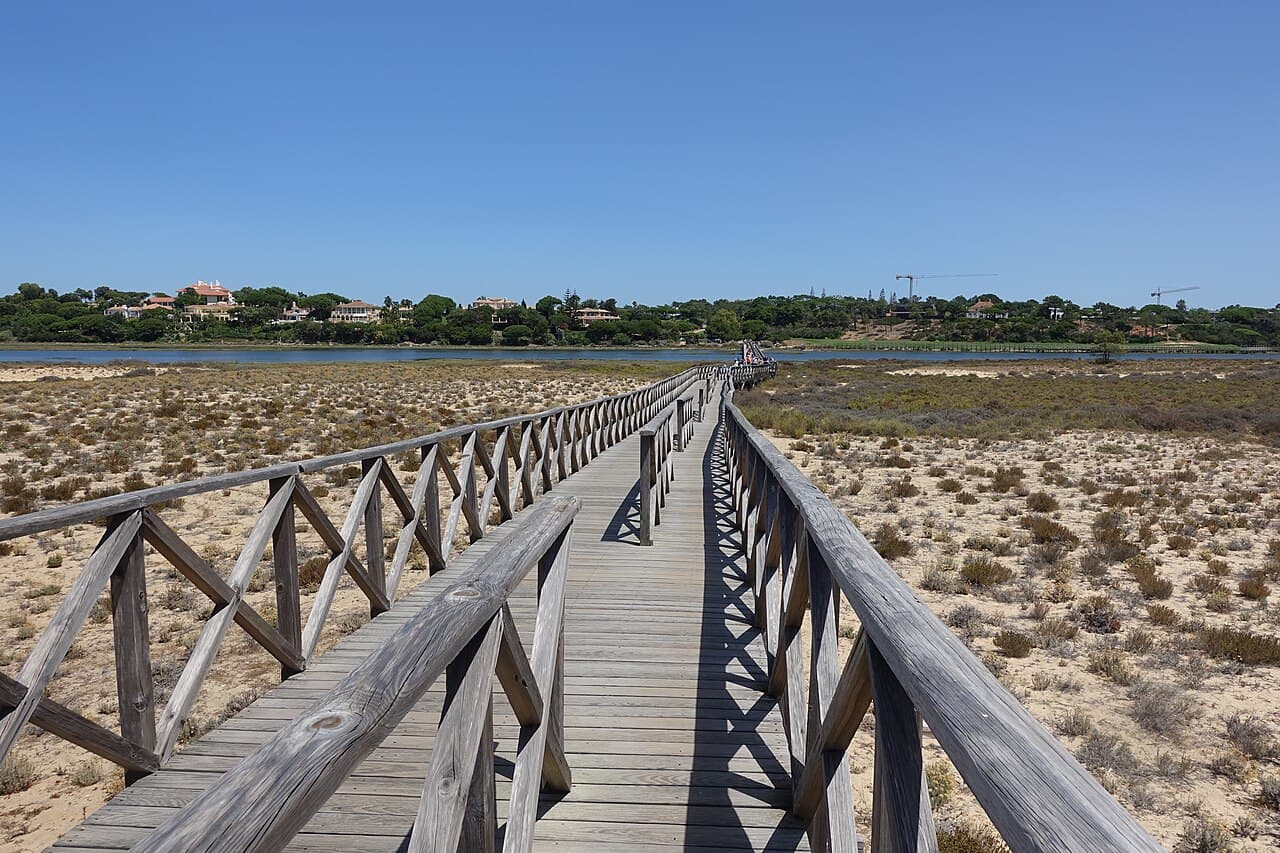
The long wooden footbridge across the Ria Formosa at Quinta do Lago, at its best in the hour after sunrise. By mid morning this boardwalk is a procession of beach bags, but at dawn it belongs to herons, joggers and whoever bothered to set an alarm. The bridge crosses lake, marsh and dune on its way to Praia da Quinta do Lago, and the low light across the wetland is the closest the Golden Triangle gets to wilderness. Anglers work the channel below, and the São Lourenço nature trail begins by the lake if you want to extend the walk. Park at the Praia da Quinta do Lago car park at the end of the avenue; arriving before eight in summer also means beating the parking queue.
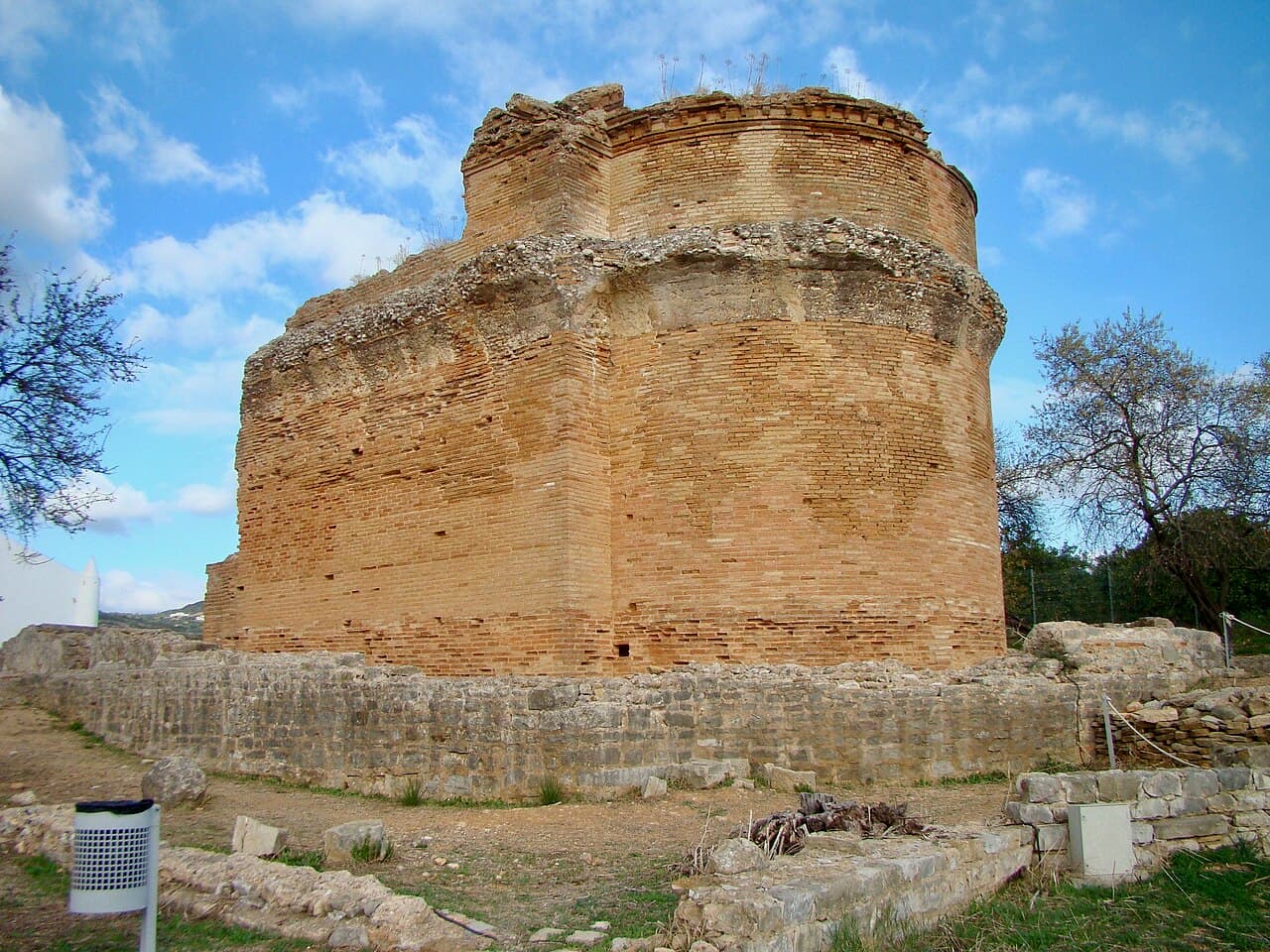
The ruins of a grand Roman villa at Estói, complete with fish mosaics and a temple that later became a church. Milreu was a luxury estate from the first to the fourth century, and what survives is remarkably legible: bathhouse walls with dolphin and fish mosaics, olive presses, and the tall podium temple that early Christians later converted, one of the few of its kind in Portugal. Interpretive panels are decent and the site rarely draws more than a handful of visitors at a time, so you can take it slowly under the trees while the rural setting drives home how comfortable Roman country life was. Pair it with the palace gardens up the road in Estói; the walk between the two takes about ten minutes.
The town circle
Ask the locals, share what’s on and keep up with life in Almancil.



 6 members
Ask it here. People who live in the Algarve answer, and no question is too small.
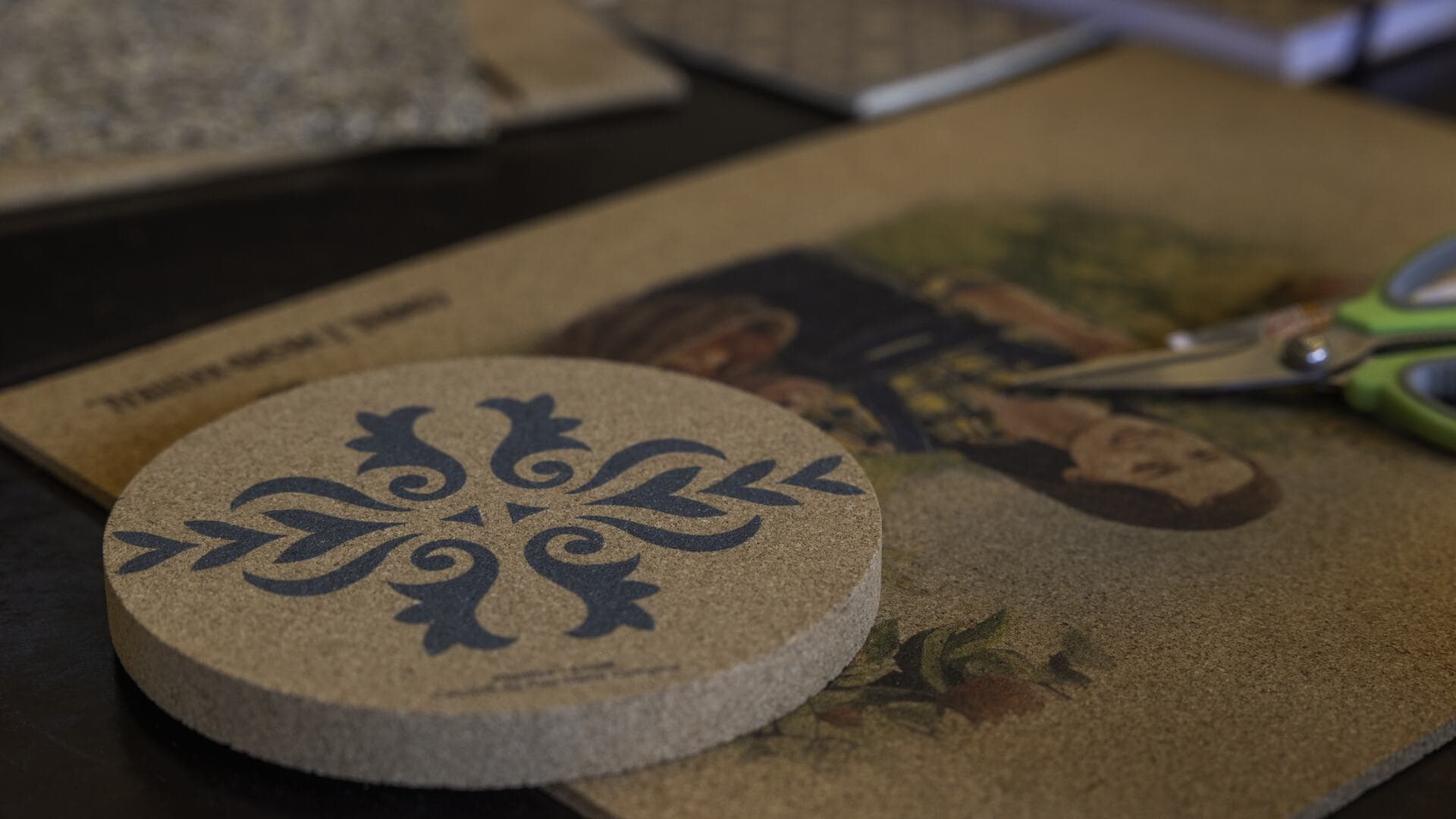
Work Portuguese cork into decor and jewellery with designer Sandra Louro, Thursdays.

Free live online briefing from The Buyer's Agent Portugal on choosing where to live in Portugal, beyond the holiday experience. Thursday 8 October, 19:00.
 by The Buyer's Agent Portugal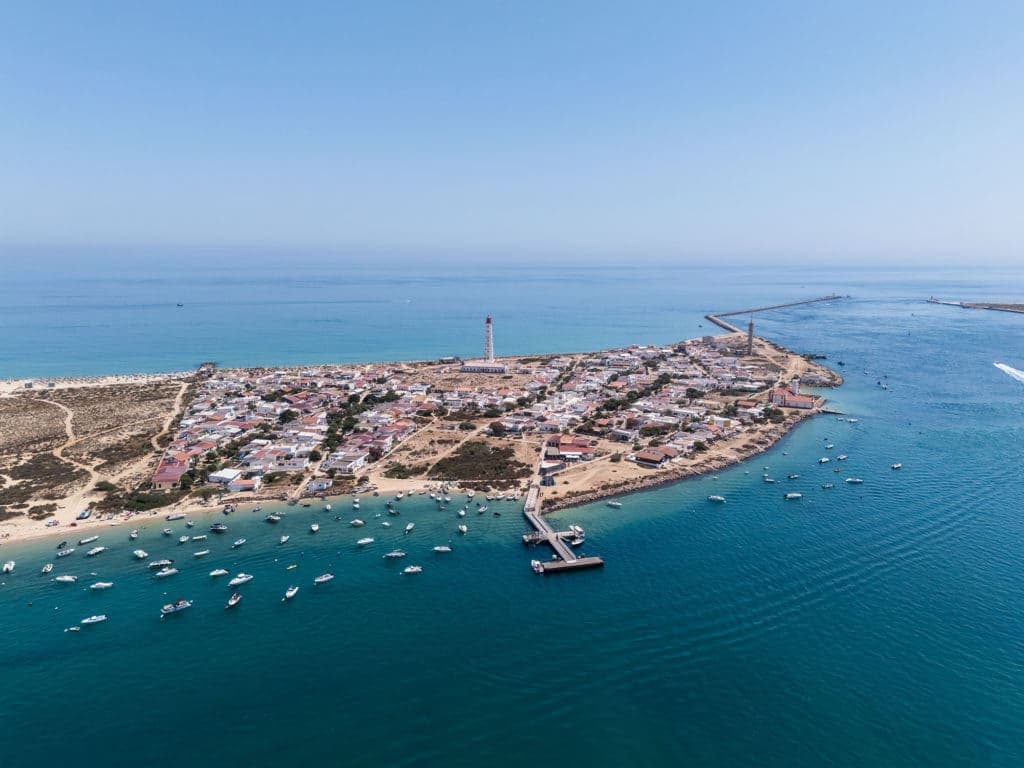
Composer Rui Massena performs his new solo piano album Parent's House at Teatro das Figuras.
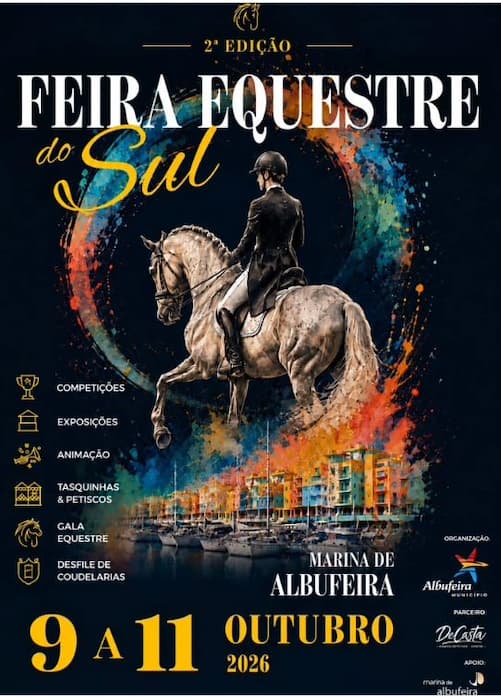
The Southern Equestrian Fair returns to Albufeira Marina for three days dedicated to the world of horses. The second edition features competitions, exhibitions, equestrian shows and a stud farm parad