
The best time to visit the Algarve.
Short answer: there isn't a bad one. With around 300 days of sun a year, the Algarve is a year-round place, the right month just depends on whether you're here for the beach, the trails, the golf or the quiet. Here's the honest version, season by season.
Season by season
What each part of the year is actually like, from people who are here for all of it.
Spring · Mar to May
The locals’ favouriteWarm days, wildflowers across the hills and the clifftop trails at their best. The sea is still cool, but the light and the quiet make this the sweet spot for walking, golf and exploring before the crowds arrive.
Summer · Jun to Aug
Peak beach seasonHot, dry and reliably sunny, with the warmest, calmest sea of the year. It is also the busiest and priciest, book ahead and start early. Best if the beach and a buzzing scene are the whole point.
Autumn · Sep to Oct
The quiet winnerArguably the best of all: the sea is at its warmest after a summer of heating, the days are still long and golden, and the crowds thin out fast through September. Warm swims without the queues.
Winter · Nov to Feb
Mild and emptyEurope’s mildest winter: gentle sun, the odd rainy spell, and a coastline you can have almost to yourself. Golf, long lunches, market mornings and serious value. Not a beach holiday, a different kind of one.
Month at a glance
Typical daytime high and sea temperature for the central Algarve, rounded from the Faro climate normals. A guide to plan around, not a forecast.
The climate, in numbers
Real published figures, each with its source and date. We check these against the sources regularly; last checked 2 July 2026.
Sun and sea
- Sunshine a year in Faro[Climates to Travel]
- 3,045 hours
- Sea at its warmest, August into September[Climates to Travel]
- about 21.5 °C
- Sea at its coolest, February[Climates to Travel]
- about 16 °C
- Typical July daytime high[Climates to Travel]
- 29.3 °C
Rain and winter
- Rain a year, over about 50 rainy days[Climates to Travel]
- 480 mm
- Rain in July and August[Climates to Travel]
- close to 0 mm
- Wettest month, December[Climates to Travel]
- about 110 mm
- Typical January daytime high[Climates to Travel]
- 16.5 °C
On while you're here
Real events on the Circle over the next few weeks, whatever the season.
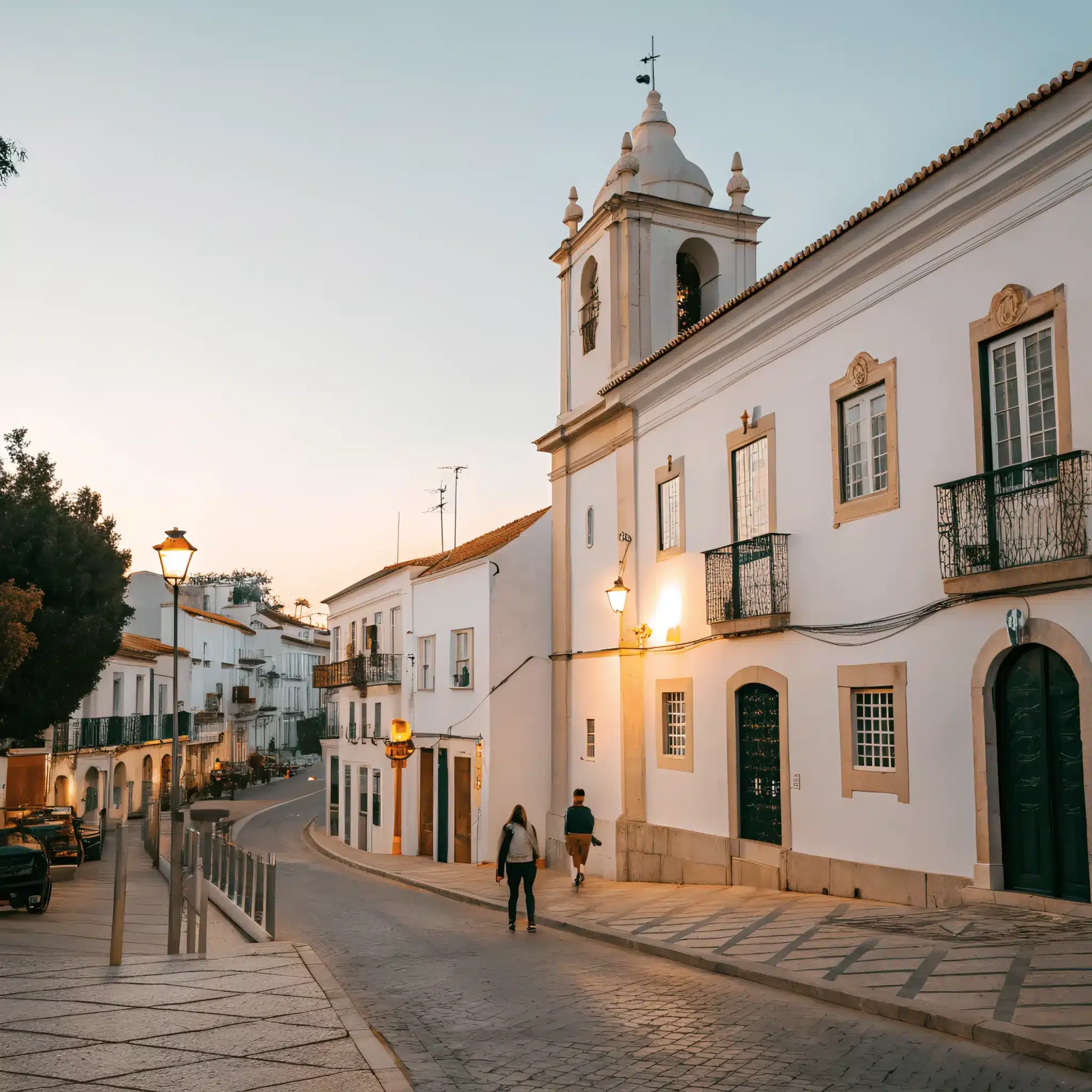
Festival Política 2026: the Portuguese Constitution
Festival Política 2026 in Loulé takes the Constitution of the Portuguese Republic as its theme, with music, comedy, film, performances, exhibitions, talks and activities for children. The detailed pro

Monster Thursdays at Matt's Bar
Weekly Monster giveaways and promotions with house, R'n'B and hip hop every Thursday at Matt's Bar in Albufeira, March to October.
 by Matt's Bar
Us, Alone
'Starting from the history of abortion in Portugal, at a time when we mark (almost) two decades since its decriminalisation at the woman's request, we look at history with female solidarity and shared
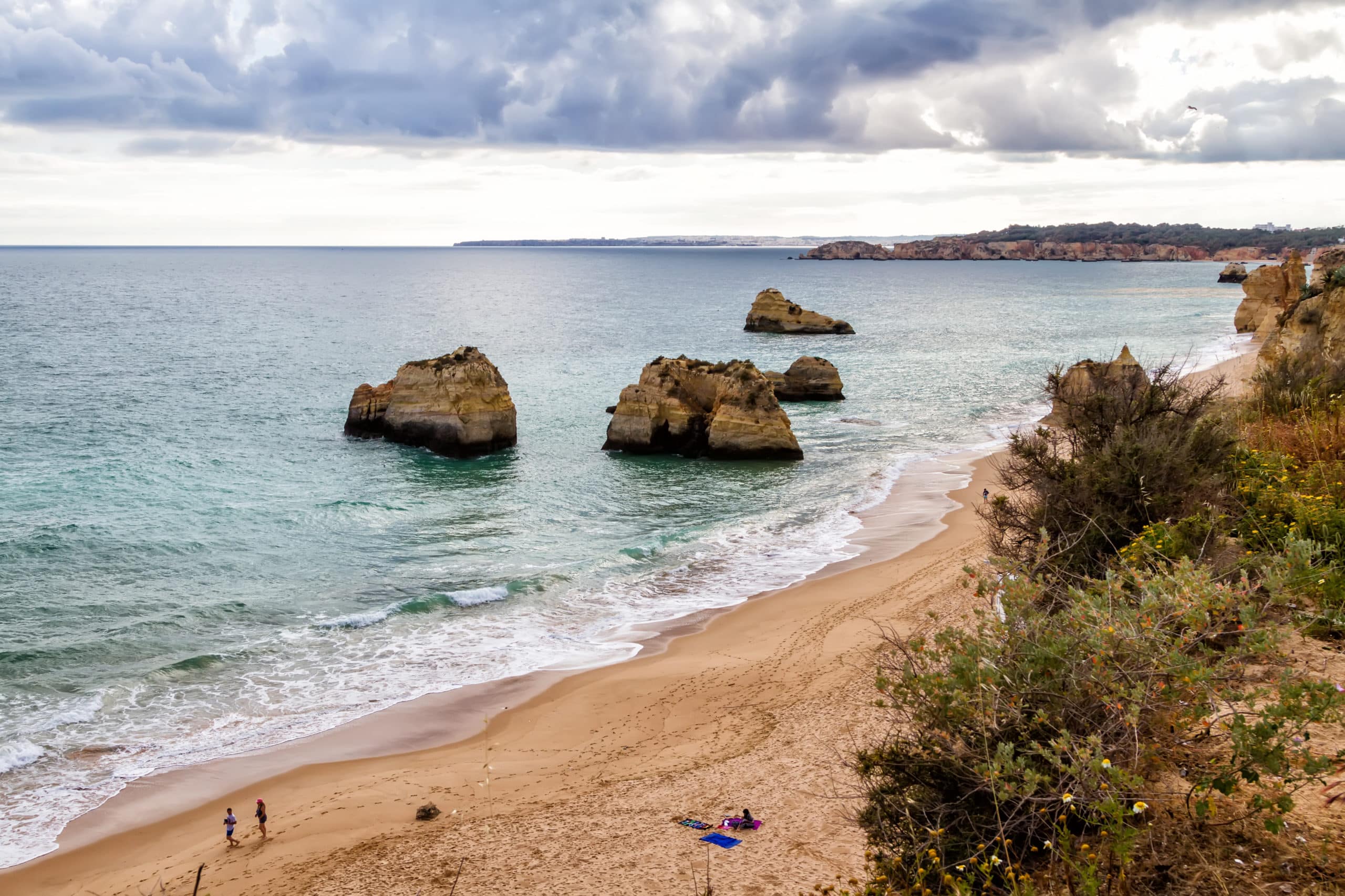
European Veterans Judo Championship
The European Veterans Championship brings together experience, technique and passion for the sport, establishing the city as a stage for international competitions and reinforcing its connection to ma
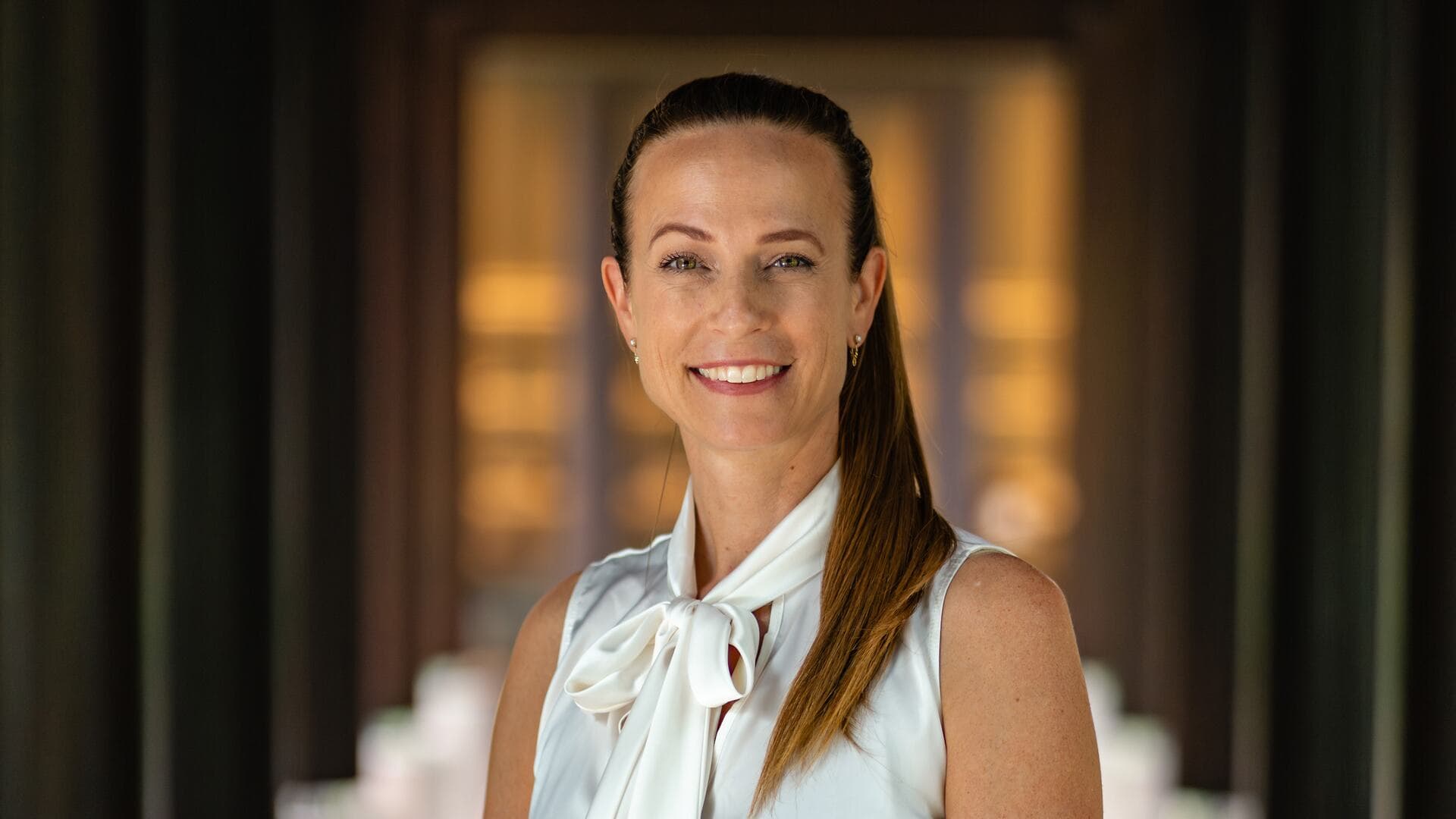
Kimberly Rose: Holistic Medicine Journey
Acupuncture and integrative therapies, on the estate from October into mid-November.

Sempre que a Revista Canta! with Cidália Moreira
A touring Portuguese revista show of songs and comic sketches with Cidália Moreira, Vítor Emanuel, Maria Tavares and actress Raquel Caneca. It plays Tavira's municipal theatre on 22 October at 14:00 a
So when should you come?
For the classic beach holiday, July and August deliver the heat and the warm, calm sea, but you will share it and pay for the privilege. If you want the same sea without the crush, come in September: the water is at its warmest and the crowds fall away almost overnight.
For everything else, walking, cycling, golf, exploring the towns, surfing the west coast, spring and autumn are the locals' pick: warm, bright and uncrowded. And winter, far from being the off-season, is when a lot of people quietly fall for the place: mild, green, cheap and calm, with the coastline almost to yourself.
Whenever you land, Algarve Circle shows you what is actually happening that week, from real events to live offers, all from the people who live here. No guesswork, no out-of-date listings, just the Algarve as it is on the day you arrive.
Questions people actually ask
When is the best time to visit the Algarve?
For a beach holiday with warm sea and thinner crowds, September is the sweet spot: the Atlantic is at its warmest, around 21.5 °C, after a summer of heating, and the school-holiday crowds leave almost overnight (Climates to Travel, Faro). For walking, golf and exploring, spring and autumn are the locals’ pick. July and August deliver peak heat, around 29 °C, but also peak prices and crowds.
When is the sea warmest in the Algarve?
August and September, at about 21.5 °C off Faro (Climates to Travel). This is the Atlantic, not the Mediterranean, so it never gets bath-warm, and in February it drops to about 16 °C. The eastern Algarve and the sheltered lagoons around Tavira generally swim warmer than the west coast.
Does it rain much in the Algarve?
Very little by northern European standards: about 480 mm a year spread over roughly 50 rainy days, almost all of it between October and March. July and August see close to zero rain, and December is the wettest month at about 110 mm (Climates to Travel, Faro).
Is the Algarve warm in winter?
Mild rather than warm: January days typically reach 16.5 °C in Faro (Climates to Travel), which makes it one of the mildest winters in mainland Europe. It is golf, hiking and long-lunch weather, not beach weather, and the region is at its quietest and cheapest.
How hot does the Algarve get in summer?
July averages a daytime high of 29.3 °C in Faro and August 29.1 °C (Climates to Travel). The coast is tempered by the Atlantic breeze; heatwaves pushing well past 35 °C happen but usually break within days, and inland towns run hotter than the coast.
Plan around what's actually on.
Create a free account to follow the towns you're visiting, save events and beaches, and get the local lowdown for your dates straight in your feed.